
Stop Roof Leaks Fast: Tulsa’s Expert Roof Leak Repair Service

A leaking roof lets water into places you can't see, and water damage and mold follow fast. Trifecta Roofing and Restoration runs a roof leak repair service here in Tulsa that finds the source, fixes it, and keeps it from coming back. Our certified technicians show you what they found and quote it in writing, so there are no surprises. Every job starts with a free inspection and estimate, and you get your roof and your peace of mind back.
Key Takeaways:
- A leak is stressful. We give you a fast, clear answer that stops the water and protects your Tulsa home from hail, wind and heat damage.
- Local experience matters. Certified Tulsa installers use weather-tested materials and methods that meet city codes and keep insurance claims moving.
- Start with a free, no-obligation leak inspection. You get photos, the cause, and a detailed repair plan.
- Repairs are built to last, with impact-rated materials, proper ventilation, and manufacturer and workmanship warranties.
- Act now. Schedule a same-week inspection or an emergency repair with transparent pricing and documented results before the water reaches your interior.
Signs of a Roof Leak You Shouldn't Ignore
What a Leak Looks Like
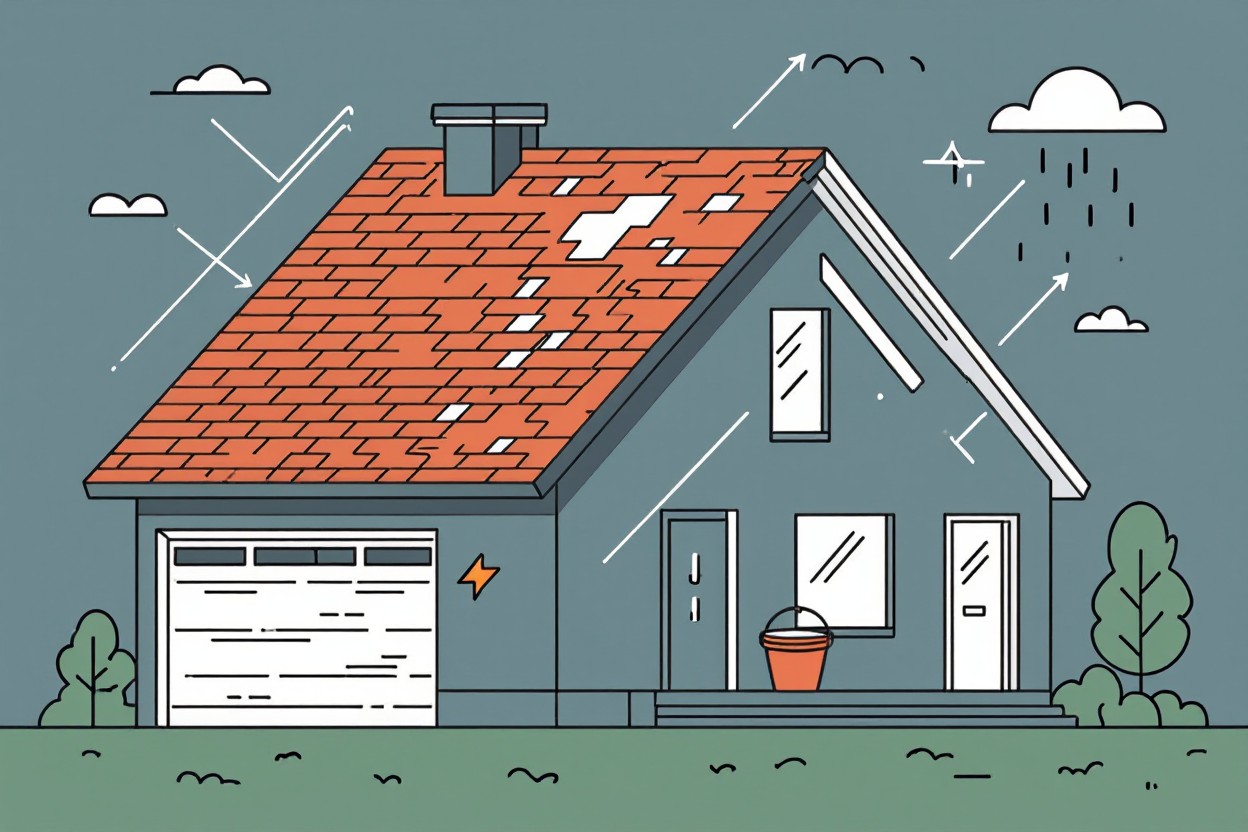
Brown or yellow water stains on ceilings and walls that grow after a storm mean water is getting in. A new 6–12 inch stain after heavy rain usually signals an active leak. Watch for blistering paint, peeling wallpaper, or dark rings around recessed lights. Those spots usually mean water is tracking along framing or following wiring through the ceiling. Outside, missing, curled, or split shingles and exposed nail heads are visible clues, and a buildup of shingle granules in the gutters, roughly a 1/4-inch layer, means the shingles are worn and the leak risk is climbing.
Check the flashings around chimneys, skylights, and vents for cracks, gaps, or failed sealant. Flashing failure is a common result of hail or high winds in Tulsa. In the attic, daylight through the roof sheathing or damp insulation is a red flag. Sagging ceilings or bulges larger than a few inches are dangerous, because they can hold several gallons of pooled water and drop suddenly or cause major structural damage if nobody deals with them right away.
Odd Sounds and Smells Inside the House
A rhythmic drip, sloshing, or running water in the ceiling or attic during or after rain usually means water is moving through spaces you can't see. A drip every 5–10 seconds adds up to several gallons overnight and speeds up damage to decking and insulation. Creaking or popping from the rafters when temperatures swing can mean wet wood is swelling and drying over and over, which points to repeat moisture rather than a one-time event.
A musty or damp odor in rooms, closets, or the attic usually means mold or mildew from trapped moisture. Mold colonies can begin forming within 24–48 hours after something gets wet, and Tulsa's humid summers make that quick. Rotten-wood or earthy smells near ceilings or vents mean you should look above that spot immediately. Hidden mold and rot widen the repair and add cleanup costs the longer they sit.
When you notice a sound or smell, write down the time, the location, and the weather. Then take a strong flashlight into the attic during daylight and look for wet insulation, dark streaks on the sheathing, or standing water. If you smell burning or anything electrical where water is present, treat it as an emergency. Shut off the circuit at the breaker if you can do it safely, stay out of the area, and call a licensed roofer and an electrician. Water and wiring together are an immediate safety hazard.
Why Roofs Fail and Leak in the First Place
What Oklahoma Weather Does to a Roof
Tulsa's climate works on a roof in specific ways. Summer highs near 92–95°F age shingles and strip granules. Spring and early summer storms regularly drop hailstones over 1 inch that fracture shingles. Severe thunderstorms bring gusts over 60–70 mph that pull at weak fasteners and edges. In cold spells, freeze–thaw cycles create ice dams when attic insulation or ventilation is poor, and water backs up under the shingles and soaks the decking.
- Heat & UV: Shortens asphalt shingle lifespan and warps underlayment.
- Hail: Impacts cause fractures and exposed matting, especially on older shingles.
- Wind: Improper nailing or missing starter strips leads to wind uplift and lost shingles.
- Freeze–thaw / Ice dams: Poor ventilation and insulation cause recurring leaks at eaves and valleys.
- Moisture & Clogged Gutters: Ponding water and backed-up runoff speed up flashing failures.
Inspections around here show the same pattern again and again: roofs with impact-rated (Class 4) shingles, ice-and-water shield installed correctly at eaves and valleys, and balanced attic ventilation leak far less after severe weather. Ask for those upgrades on any replacement or major repair on a Tulsa roof.
Installation Mistakes and What They Cost You
Bad installation is a common reason a roof fails early. The wrong nail length or spacing (many architectural shingles call for 4–6 nails per shingle depending on the wind rating), missing starter strips, or skipped flashing at chimneys, skylights and valleys lets water in at predictable weak points. Decking that should have been replaced when the old roof came off leaves a soft, sagging surface that shortens the life of the new covering and hides fastener failures until a storm finds them.
Warranty coverage usually depends on following manufacturer specs. Installers who skip the recommended underlayment, use staples instead of nails, or ignore the nailing pattern can void your manufacturer's warranty and leave the repair bill with you. Local permits and inspections exist so you get code-compliant fastening and flashing. Ask to see permit records and proof of inspections before you make the final payment.
You can check some of this yourself: exposed or crooked nails, loose flashing edges, shingles that lift in the wind, and interior stains near vents or pipes. If you see any of that, get a documented roof evaluation from a certified installer who gives you photo evidence and a written workmanship warranty. That combination keeps the failure from repeating and gives you backup if a rework is needed.
How the Repair Actually Works
A careful inspection usually starts in the attic and under the eaves, looking for wet insulation, mold lines, and stains before we move to the full exterior. Technicians use moisture meters and sometimes infrared scans to pinpoint the source. About two-thirds of leaks start at roof penetrations and flashings, so those get extra attention. If water is coming in, expect an assessment and temporary tarping or patching the same day, plus a documented repair plan and a cost estimate.
Small repairs often finish in one visit, usually 2–6 hours. Jobs that need decking replacement or several flashing replacements run 1–2 days or longer. Don't climb onto a wet, icy, or badly damaged roof yourself. Fall and structural collapse hazards are the most dangerous part of any DIY attempt. Your insurer may require professional documentation on a large claim, so keep detailed photos and receipts for any work done.
The Steps We Follow to Fix a Leak
The sequence is predictable. Interior inspection maps the stains. The exterior check identifies suspect areas: vents, chimneys, valleys, pipe boots. Then we remove shingles or metal at the target area, replace or repair the flashing and underlayment, and reseal with proper roofing cement or self-adhering products. Water travels downslope, so we trace the path from the visible damage back to the real entry point, which can mean pulling shingles several feet upslope of the leak. The last step is a water test or a look after the next rain to confirm the repair is holding.
Materials and fastening matter in Tulsa's weather. Crews typically install synthetic underlayment and self-adhering ice-and-water shield in valleys and at eaves, and use ring-shank nails or manufacturer-specified fasteners for high wind resistance. Class 4 impact-rated shingles are the call where hail damage is present. You should get a written warranty on labor and materials and a clear description of any decking replacement if rot shows up under the shingles.
DIY or Hire It Out
You can handle small things like swapping a single shingle or patching a small flashing gap if you have the tools and safe ladder habits. Even then, a simple repair can void a manufacturer's warranty or miss hidden damage underneath. The savings disappear fast if water has already reached the decking or insulation, and you won't know until the shingles come off.
Hiring a pro gets you documented repairs, help with insurance, proper safety gear, and tested materials. Pros follow manufacturer specs and local code, which cuts down on repeat leaks. The upfront cost is higher, but it holds up better on complex leaks, hail damage, and anything involving structural repair or permits.
DIY vs Professional: Quick Comparison
| DIY | Professional |
|---|---|
| Lower immediate out-of-pocket cost (materials only) | Higher upfront cost but includes labor, cleanup, and disposal |
| Fast turnaround if you have availability | Scheduled service window, but coordinated and documented |
| No contractor warranties. Manufacturer’s warranty may be voided | Labor and workmanship warranties typically provided |
| Limited tools: basic hand tools and caulk guns | Access to specialty tools, lifts, and safety equipment |
| Higher personal safety risk on steep or wet roofs | Trained crew with fall protection and insurance |
| May miss underlying issues (rot, mold, insulation damage) | Full diagnostics including attic and decking evaluation |
| Simple fixes: shingle replacement, small sealant repairs | Handles complex repairs: flashing replacement, decking, permits |
| Quick, low-cost fixes may be temporary | Longer-lasting solutions using proper materials and methods |
| Insurance claims harder to prove without professional reports | Professionals provide documentation and often assist with claims |
| Good for homeowners comfortable with ladders and basic roofing | Recommended for multi-shingle damage, soft decking, or hail/wind claims |
If you go the DIY route, keep it to visibly isolated damage, like replacing 1–3 shingles on a low-slope roof, and stop if you find soft decking or widespread granule loss. Call a pro when the damage covers more than a few shingles, when you see sagging or interior moisture beyond a stain, or when the pitch is steeper than 6:12. Those jobs need structural repair, correct fastening patterns, and insurance-grade documentation that a licensed contractor can provide.
Keeping the Next Leak From Happening
Maintenance That Pays Off
Get up on the roof twice a year, spring and fall, and again after any storm with hail or winds over 45 mph. Look for missing or curled shingles, split sealant around vents, rusted or loose flashing, and granule loss that exposes the mat. Granule loss means the asphalt is breaking down faster under Tulsa's summer heat. Walk the attic on the same schedule and look for dark stains, damp insulation, or streaks along the rafters. Those are early leaks, usually starting at flashing or a roof penetration.
Clear gutters and downspouts at least every 3 months, more often with trees overhead. Clogged gutters back water up and raise your ice-dam risk in winter. Trim branches back at least 10 feet so limbs don't scrape shingles or punch through during a storm. Replace or reseal flashing and roof jacks every 10–15 years, sooner if you see cracking. Bring in a certified roofer for anything involving penetrations or ridge systems, and get a professional inspection every 3–5 years to verify wind-uplift fasteners and seal integrity.
Upgrades Worth Paying For
The upgrades with the biggest long-term payoff: Class 4 impact-rated shingles for hail, standing-seam metal for a 40–70 year lifespan, and full-width ice-and-water shield in valleys and at eaves. Use high-temp synthetic underlayment instead of felt so it doesn't wick moisture or tear under heat. Pair that with ridge and soffit ventilation sized for at least a 1:300 net free ventilation ratio to bring attic temperatures down and stretch shingle life through Tulsa summers.
Pay attention to what sits under the shingles. Corrosion-resistant fasteners, a continuous metal drip edge, and layered step flashing at chimneys and walls close off the most common leak paths. Pick products with strong manufacturer warranties and require a certified-installation endorsement. Many manufacturers void wind and hail warranties when the fastener pattern or uplift rating of 110–130+ mph isn't met. Your insurer may also credit your premium for Class 4 shingles or a metal install, which brings the cost down over time.
Weigh the upfront cost against the long haul. Metal roofing runs roughly 20–50% more than high-grade architectural shingles up front, but often lasts 2–3 times longer and cuts storm repairs. Class 4 shingles add a small premium and can sharply reduce hail claims and replacement cycles. Base your priorities on pitch, exposure (south- and west-facing slopes wear out faster), and how long you plan to stay. If that's 15+ years, better materials and certified installation almost always pay back, with far fewer emergency leaks.
Picking a Contractor You Can Trust
When a leak shows up, you want verification, not a guess. Ask for a detailed moisture and deck inspection that identifies the source, the path the water took, and secondary damage like wet insulation or rot. Crews who know Tulsa storm patterns will recommend materials rated for this climate. Look for contractors who specify Class 4 impact-resistant shingles or equivalent and can show you completed jobs using them. Here's an example of local Roof Leak Repair services that pair fast emergency response with long-term fixes. Untreated leaks bring mold growth, structural rot, and rising repair costs, so pick someone who documents the existing damage and hands you a written repair plan before the work starts.
Reasonable standards: emergency tarping within 24 hours and a follow-up inspection within 48 hours of first contact. Contractors who hit those marks usually have a steady stream of local customers and references you can call. Ask for clear timelines (days on-site), the steps to transfer the manufacturer warranty, and proof of certified installers. Those commitments separate weekend handymen from established roofing companies that stand behind the work.
What a Reliable Roofing Contractor Looks Like
Check licensing and insurance first. Ask for the Oklahoma license number and a Certificate of Insurance showing at least $1,000,000 general liability and active workers' compensation. Certifications from major manufacturers (GAF, CertainTeed, Owens Corning) and training in wind-uplift fastening patterns tell you the crew understands what Tulsa wind and hail do over time. Ask for photos of completed repairs on similar roof types in neighborhoods with comparable storm exposure.
Estimates and warranties should be plain to read. Expect an itemized quote that separates labor, materials, disposal, and possible decking replacement. Reliable contractors give written labor warranties, commonly 5–10 years, and register the manufacturer warranties for you, many of which run 20–50 years. Look for a commitment to debris containment and magnetic nail sweeps. Good cleanup keeps nails out of your yard and away from your family.
Questions to Ask Before You Sign
Ask for the Oklahoma license number, the insurance COI, and recent Tulsa-area references, at least three. Then get specific: "What brands and Class/impact ratings do you recommend for my roof?" "Who does the work, your in-house crew or subcontractors?" "What's your emergency response time and inspection window?" Insist on before-and-after photos and a written diagnosis showing the leak entry points, the scope (patch versus full deck replacement), and a line-item estimate.
Talk through payment terms. Deposits typically run between 10% and 30%, and you should never pay the full contract amount up front. Ask about lien waivers on payment, how change orders are handled, and whether the manufacturer warranties transfer. Confirm cleanup standards, and confirm the contractor pulls any required permits and passes final inspection with the city.
Then do the legwork. Verify the Certificate of Insurance with the insurer directly, read online reviews, and check local building permit records for similar jobs. Ask for three recent Tulsa jobs with homeowners you can call, and call them. Get every commitment in writing: inspection results, repair scope, timelines, warranties, and payment schedule. Require that the contractor registers the material warranties and provides a final lien waiver when the job is done.
What to Do Next
A leak threatens your home's comfort and its value, and you need it handled quickly. Our Tulsa crew inspects, diagnoses, and repairs leaks with industry-approved materials and methods so the problem is solved the first time. You get a clear read on where the water is coming in, an itemized repair plan built around your roof's materials and its exposure, and work done by certified technicians who follow manufacturer specs and local code.
The next step is a no-cost, no-obligation roof inspection. You see the damage, get a transparent quote with warranty options, and choose the repair that fits your budget and your plans for the house. With our local, insured team you get prompt scheduling, documented workmanship, and follow-up service that holds through Tulsa storms. Call Trifecta Roofing and Restoration to book your inspection and put your roof leak repair service behind you.
FAQ
My roof is leaking right now. What should I do first, and how does a local roof leak repair service help immediately?
Start with safety. Stay out from under the leak, move valuables, set buckets to catch water, and cut power to the affected area if you can do it safely. Then call a local Tulsa roof leak repair service that offers emergency tarping and temporary fixes to stop more interior damage. A good local crew tarps the same day if needed, photographs the damage for insurance, runs a detailed inspection, and gives you a plan and timeline for the permanent repair or replacement. A fast local response limits interior damage and speeds up the insurance side.
How do professionals find the source of a leak, and what does the inspection include?
A real diagnosis takes both a roof-top inspection and an attic and interior check. Technicians look at shingles, flashing, vents, chimneys, valleys, gutters, and pipe boots, then check attic insulation, rafters, and water stains. Moisture meters or infrared scanning help find wet areas you can't see. The report should include dated photos, a clear description of the cause, an itemized repair plan with materials and labor, and any recommended follow-up like decking replacement or ventilation upgrades. Local experience with Tulsa hail, wind, and heat drives the right material and fastening choices.
What does roof leak repair cost in Tulsa, and what changes the price?
It depends on scope. Small patches and flashing repairs often run about $150–$800. Moderate repairs across multiple areas with partial shingle replacement commonly run $800–$2,500. Extensive repairs or partial roof replacement can run $2,500–$7,000+ depending on size and complexity. The drivers are the extent of the damage, roof pitch and access, roofing material, whether rotten decking has to come out, hail or wind damage, and permit or code upgrade requirements. A trusted local company gives you a free, itemized quote so you see exactly what's covered and why.
Will homeowners insurance cover a roof leak, and how does a contractor help with the claim?
Insurance usually covers sudden storm damage from hail, wind, or falling trees, but not gradual wear or deferred maintenance. A professional roofer builds a documented damage report with photos and a line-item estimate for your insurer, meets with the adjuster when needed, and points out code-upgrade items that may be required. Choose a contractor experienced with Tulsa claims who tells you what's likely covered, what you'd pay out of pocket, and who backs the work with written warranties no matter how the claim lands.
Why hire a local Tulsa crew, what guarantees and timelines should I expect, and how do I schedule an inspection?
Local contractors know what works here: materials and installation methods proven against Tulsa heat, hail, and wind, plus the local permit and code requirements. Look for licensed, insured teams with positive local reviews, certified installers, clear contracts, and written material and workmanship warranties. Typical timelines are emergency tarping the same day, small repairs done in one day, and larger repairs or replacements scheduled within days to weeks depending on scope and weather, with the full-job timeline given up front. To get started, schedule a free, no-obligation roof inspection and detailed estimate for your Tulsa home. Call for immediate help and same-day emergency service if you need it.