How to Get a $10,000 Grant for a New Roof in Oklahoma
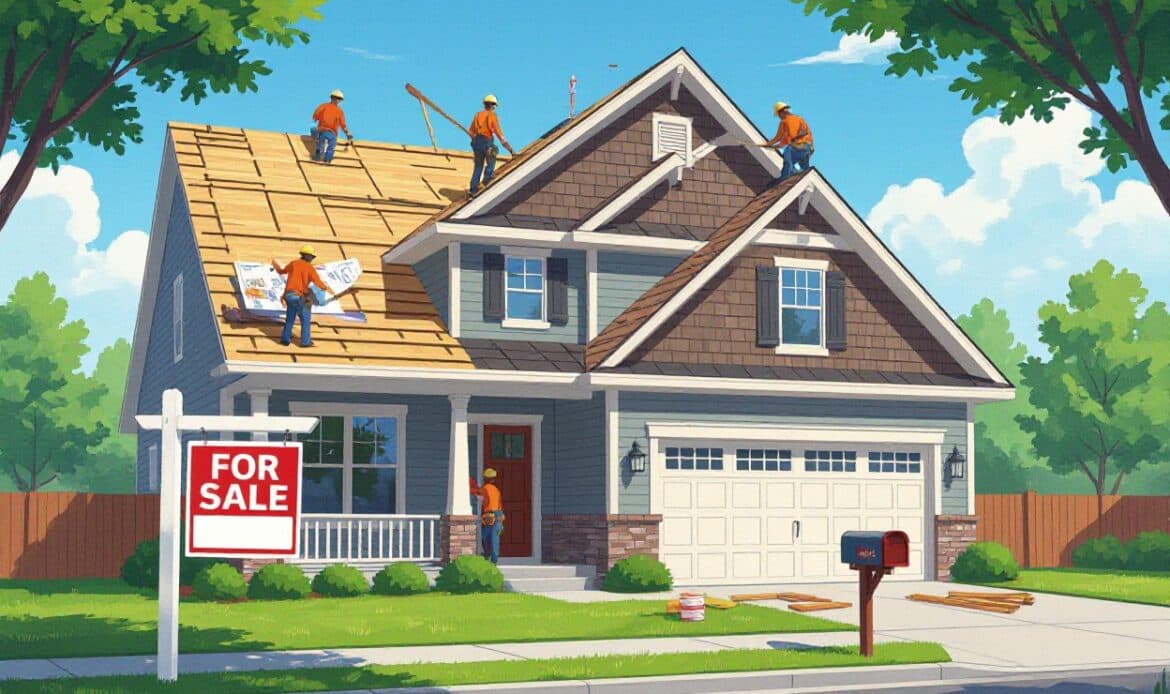
The usual advice about getting a new roof in Oklahoma sounds like this: file an insurance claim, wait months, haggle with an adjuster, then either pay thousands out of pocket or live with the damage. That advice is exhausting and often flat-out wrong. There are grant programs sitting right there, some offering up to $10,000, that most homeowners never hear about. The problem is that nobody explains how they work or what hoops you have to jump through. We have spent more time than we would like to admit sorting through the paperwork maze of roofing assistance programs, so here at Trifecta Roofing and Restoration we will walk you through how to get a $10,000 grant for a new roof without losing your sanity along the way.
Roof Grant Programs Available in Oklahoma
Oklahoma has a surprisingly deep set of assistance programs for homeowners who need roof repairs or a full replacement. Some are state-run, some come from federal agencies, and a few run through local community development offices. The trick is knowing which one fits your situation and being strategic about how you apply.
1. Strengthen Oklahoma Homes (SOH) Grant Program
This is the big one. The Strengthen Oklahoma Homes program offers grants up to $10,000 for roof upgrades that meet FORTIFIED standards. It is the state's way of cutting future storm damage claims by making roofs tougher up front. The catch is that your roof has to be upgraded to a FORTIFIED designation, which means working with a certified contractor who follows specific building protocols.
The program prioritizes homeowners in designated disaster areas and those who have had recent storm damage. Funding cycles open periodically, so timing matters. When application windows open, they close fast. We have seen homeowners miss out simply because their paperwork was not ready when the announcement dropped.
2. Federal USDA Section 504 Home Repair Program
If you live in a rural area, and a lot of Oklahoma qualifies, the USDA's Section 504 program provides grants up to $10,000 for very low-income homeowners who are 62 or older. Younger homeowners can get loans through the same program at a 1% interest rate, which is not a grant but it is close. The program covers roofing repairs as part of general home safety improvements.
The definition of "rural" is more generous than most people assume. It follows the USDA's rural development eligibility map, and plenty of suburban areas around Tulsa and Oklahoma City qualify. Check even if you think you are too close to a city.
3. Weatherization Assistance Program (WAP)
WAP funding comes through the Department of Energy and is administered locally. The main focus is energy efficiency, but roof repairs often qualify because a leaky or poorly insulated roof drives up heating and cooling costs. The program serves low-income households and can cover materials, labor, and related improvements.
The most frustrating part of WAP is the wait. In some Oklahoma counties the waitlist stretches for months because funding does not match demand. If you are patient and you qualify, this program can cover substantial work at no cost.
4. HUD Community Development Block Grants
CDBG funds flow from the federal Department of Housing and Urban Development to cities and counties, which then decide how to spend them. Many Oklahoma municipalities put a portion toward housing rehabilitation, including roof repairs for qualifying homeowners. Oklahoma City, Tulsa, Norman, and several smaller communities run active CDBG housing programs.
CDBG funding is hyper-local. What is available in Lawton can be completely different from what Stillwater offers. Call your city's community development office directly. Do not rely on state-level websites for accurate local information.
5. Federal Housing Administration Title I Loans
Title I loans are not grants, but they are an accessible financing option for homeowners who cannot qualify for a traditional home equity loan. The FHA insures these loans, so lenders offer better terms. You can borrow up to $25,000 for single-family home improvements, roof replacement included.
We include Title I here because it fills the gap when grant funding does not cover the full roof replacement cost in Oklahoma. A $10,000 SOH grant plus a manageable Title I loan can get you a brand-new FORTIFIED roof without wiping out your savings.
Who Qualifies and How to Apply
Getting approved for roofing assistance means meeting specific criteria, and the criteria vary by program. Most programs share common requirements, but the details matter. Miss one checkbox and your application can stall for months or get thrown out entirely.
Basic Qualification Criteria for Each Program
| Program | Primary Requirements |
|---|---|
| Strengthen Oklahoma Homes | Own and occupy the home; current on property taxes; homestead exemption on file; agree to FORTIFIED upgrade |
| USDA Section 504 | Rural location; very low income (below 50% of area median); homeowner; unable to obtain credit elsewhere |
| Weatherization Assistance | Income at or below 200% of federal poverty level; priority for elderly, disabled, and families with children |
| CDBG Housing Rehab | Varies by locality; generally low-to-moderate income; owner-occupied property |
| FHA Title I | Property must be primary residence; loan amounts up to $25,000; creditworthiness required |
Required Documentation Checklist
Gather these documents before you start filling out applications. Have a folder ready. Once everything sits in one place, applications move about twice as fast.
- Proof of homeownership (deed or mortgage statement)
- Homestead exemption verification
- Most recent property tax statement showing current status
- Proof of income for all household members (pay stubs, tax returns, Social Security statements)
- Photo ID for all applicants
- Recent utility bills
- Insurance policy declarations page
- Photos of existing roof damage (if applicable)
- Contractor estimates (some programs require multiple bids)
Application Timeline and Deadlines
The SOH program opens application periods throughout the year, usually after major storm events or when new funding becomes available. USDA programs accept applications year-round and process them based on available funding. WAP runs on a rolling basis with waitlists in high-demand areas.
One tip: sign up for email alerts from the Oklahoma Insurance Department and your local community action agency. Programs announce funding on short notice, and being among the first applicants improves your odds a lot.
Income Limits and Property Requirements
Income limits use Area Median Income (AMI) as the benchmark. It is a calculation that adjusts for household size and where you live in Oklahoma. A family of four in Oklahoma City has different limits than a family of four in McAlester.
For USDA Section 504 grants, you need to fall below 50% of AMI. That is genuinely low income. The loan program extends to 80% of AMI. WAP typically uses 200% of federal poverty guidelines, which covers a broader range of working families.
Property requirements almost always include owner-occupancy. Investment properties and rentals do not qualify. The home has to be your primary residence, usually verified through your homestead exemption filing.
Priority Groups and Special Considerations
Most programs move certain applicants to the front of the line when funding is limited:
- Seniors (62+): First in line for many programs, especially USDA grants
- Disabled homeowners: Often receive priority status
- Families with children under 6: WAP gives priority for lead-safe improvements
- Veterans: Some local CDBG programs have veteran preferences
- Disaster-affected homeowners: SOH specifically targets areas with recent storm damage declarations
Working with FORTIFIED Certified Contractors
If you are going after the SOH grant, you have to use a FORTIFIED certified contractor. There is no way around it. The whole point of the program is building roofs to a higher standard, and that takes contractors who know the specific protocols.
Finding Approved Contractors in Oklahoma
The Insurance Institute for Business and Home Safety (IBHS) keeps a searchable database of FORTIFIED evaluators and contractors. Start there. Oklahoma has a growing network of certified contractors, especially in storm-prone areas around Oklahoma City and Tulsa.
Most homeowners expect to find a handful of options. There are actually dozens of certified contractors across the state now. Competition is good for pricing.
Here is how to vet the ones you call:
- Verify their FORTIFIED certification directly through IBHS
- Check their license status with the Oklahoma Construction Industries Board
- Request references from recent FORTIFIED projects
- Get at least three written estimates
- Confirm they carry both liability insurance and workers' compensation
Understanding FORTIFIED Roof Standards
FORTIFIED is not a marketing term. It is a building standard developed by IBHS out of decades of disaster research. A FORTIFIED roof uses enhanced techniques for sealing the deck, securing shingles, and protecting vulnerable spots like edges and penetrations.
There are three levels of FORTIFIED designation:
- FORTIFIED Roof: Focuses on the roof system specifically
- FORTIFIED Silver: Adds protection for attached structures like porches and carports
- FORTIFIED Gold: Comprehensive whole-home protection
The SOH grant covers the FORTIFIED Roof designation. Higher levels cost more but can earn bigger insurance discounts.
Contractor Certification Requirements
FORTIFIED contractors complete training through IBHS and pass certification exams. They also work with third-party evaluators who verify the installation meets the standard before the FORTIFIED designation is issued. No contractor certifies their own work here. It is independent verification.
Good roofing contractors in Oklahoma prefer it that way. It separates them from fly-by-night operators and backs up higher-quality work. For your budget, it means the contractor you hire has paid for training and agreed to have the work inspected. That is accountability built into the job.
Avoiding Common Contractor Scams
You probably know someone who got burned by a storm chaser. They knock on doors after a hailstorm, offer a deal that sounds too good, then do shoddy work or disappear with the deposit.
Red flags to watch for:
- Pressure to sign contracts immediately
- Demands for large upfront payments (beyond a reasonable deposit)
- Claims they can "waive your deductible" (that is insurance fraud)
- No physical business address or only a P.O. box
- Unwillingness to provide proof of insurance
- Vague or verbal-only estimates
A legitimate FORTIFIED contractor gives you time to read the contract and coordinates directly with the grant program on payment. They will not push you.
Stretching Your Grant Award Further
A $10,000 grant sounds great until the quotes come in and a full roof replacement runs $15,000 or more. Knowing how to layer funding sources and coordinate with insurance is what turns a financial stretch into a manageable project.
Combining Multiple Funding Sources
This is where strategy pays. You can often combine programs as long as none of them explicitly prohibit it and the total does not exceed your project cost.
Think of it like building blocks. The SOH grant covers $10,000, a weatherization program adds a few thousand for related attic insulation, and an FHA Title I loan bridges the rest. Each source has rules, but the layering works when you do the homework.
One caveat: always disclose other funding sources on your applications. Programs share data and check for duplication. Hiding other assistance will get you disqualified or worse.
Insurance Claims and Grant Coordination
Can you file an insurance claim and get a grant? Sometimes. The SOH program is built to cover upgrades beyond what insurance pays for repairs. Insurance may pay to fix the damage with standard materials, and the grant covers the extra cost of the FORTIFIED upgrade.
It gets trickier when insurance already covers the full replacement cost. Some programs reduce the grant amount by your insurance proceeds. Others want you to apply the insurance payout first, then cover the remaining eligible costs.
Get clarity up front. Call the program administrator before you submit anything if you have an active or recent insurance claim. That one phone call saves a lot of headaches later.
Understanding Grant Payment Processes
Grant payments rarely go straight to homeowners. Most programs pay the contractor at completion or in installments tied to project milestones. The SOH program issues payment after a third-party evaluator verifies the FORTIFIED designation.
That protects everyone. You do not front money you might never get back. The contractor gets paid for verified work. The program knows the funds did what they were meant to do.
The downside is timing. You may need to bridge short-term costs while the grant payment processes. Talk through the payment schedule with your contractor and the program before work starts.
Managing Out-of-Pocket Expenses
Even with a grant, plan on some out-of-pocket costs. Those can include:
- Upgrades beyond minimum FORTIFIED requirements
- Interior damage repairs (most programs cover exterior roof work only)
- Temporary housing if the roof is severely damaged
- Permit fees (sometimes covered, sometimes not)
- The difference between the grant amount and the actual project cost
Budget conservatively. Assume the grant covers 60-70% of the total and plan for the rest. If the coverage comes in higher, that is a good surprise. If it does not, you are ready.
Your Next Steps Toward a New Roof in Oklahoma
We have watched too many homeowners stall because the process feels overwhelming. The step that matters most is starting. Pick one program that fits your situation and submit an application this week. Not next month. This week.
Getting a new roof in Oklahoma through grant programs takes persistence and organization, not special connections or luck. The money exists. The programs exist. They need qualified applicants.
Here is the order we recommend:
- Verify your homestead exemption is current (this alone stops many applications cold)
- Gather all required documentation into one folder
- Check your income against program limits using your most recent tax return
- Sign up for SOH program alerts through the Oklahoma Insurance Department
- Research FORTIFIED contractors in your area and request estimates
- Submit applications to every program you qualify for
Things change when you stop researching and start applying. Your kitchen table covered in paperwork and contractor estimates may feel chaotic. That is progress. That is what moving toward a new roof looks like.
Roofing tax credits in Oklahoma can supplement grant funding too. Federal energy efficiency credits may apply to certain roofing materials, so check with a tax professional before year-end to capture every available benefit. When you are ready to price the work, every job with Trifecta Roofing and Restoration starts with a free inspection, and we will document the damage so your $10,000 grant for a new roof application has the photos and estimates it needs. Call (918) 471-2777.
Frequently Asked Questions
What does a roof replacement actually cost in Oklahoma for 2026?
Roof replacement cost in Oklahoma usually runs $8,000 to $20,000 depending on home size, materials, and pitch complexity. Asphalt shingle roofs on average-sized homes typically land between $10,000 and $14,000. FORTIFIED upgrades add roughly 10-15% to standard installation costs, and they can lower insurance premiums long-term.
Can I get the $10,000 grant if I already filed an insurance claim?
In many cases, yes. The SOH grant covers FORTIFIED upgrade costs that go beyond what insurance pays for standard repairs. You have to coordinate between your insurance settlement and the grant amount. Call the program with your insurance claim details before applying to confirm eligibility.
How long does the Strengthen Oklahoma Homes application take?
It depends on application volume and funding. When applications are open, initial review usually takes 30-60 days. After approval, contractor selection and the project itself add several more weeks. Application to finished roof often runs 3-5 months. Having your documentation ready speeds it up a lot.
Do I need a homestead exemption before applying for grants?
For the SOH program, yes. A current homestead exemption on file with your county assessor is a basic eligibility requirement, and it proves owner-occupancy. If you have not filed one, do it now because processing takes time. Other programs may have similar requirements or accept other proof of primary residence.
What if my roof costs more than the grant amount?
You cover the difference. Combine funding sources where the programs allow it. An FHA Title I loan is accessible financing for the gap. Some homeowners work out phased payment plans with their contractor. Get multiple estimates before you commit so you find competitive pricing from the best roofing contractors in Oklahoma.
Are mobile homes eligible for these roofing grants?
Some programs include manufactured housing, some do not. The USDA Section 504 program can cover mobile homes on owned land. WAP includes mobile homes in many service areas. SOH eligibility depends on whether the manufactured home meets program criteria. Verify with the program administrator before you assume coverage.
Can I use any roofing contractor with the SOH grant program?
No. The SOH program requires a FORTIFIED certified contractor so installations meet IBHS standards and get verified by third-party evaluators. Using a non-certified contractor disqualifies you. The upside is quality assurance built into the requirement. Check the IBHS databases for certified contractors near you.