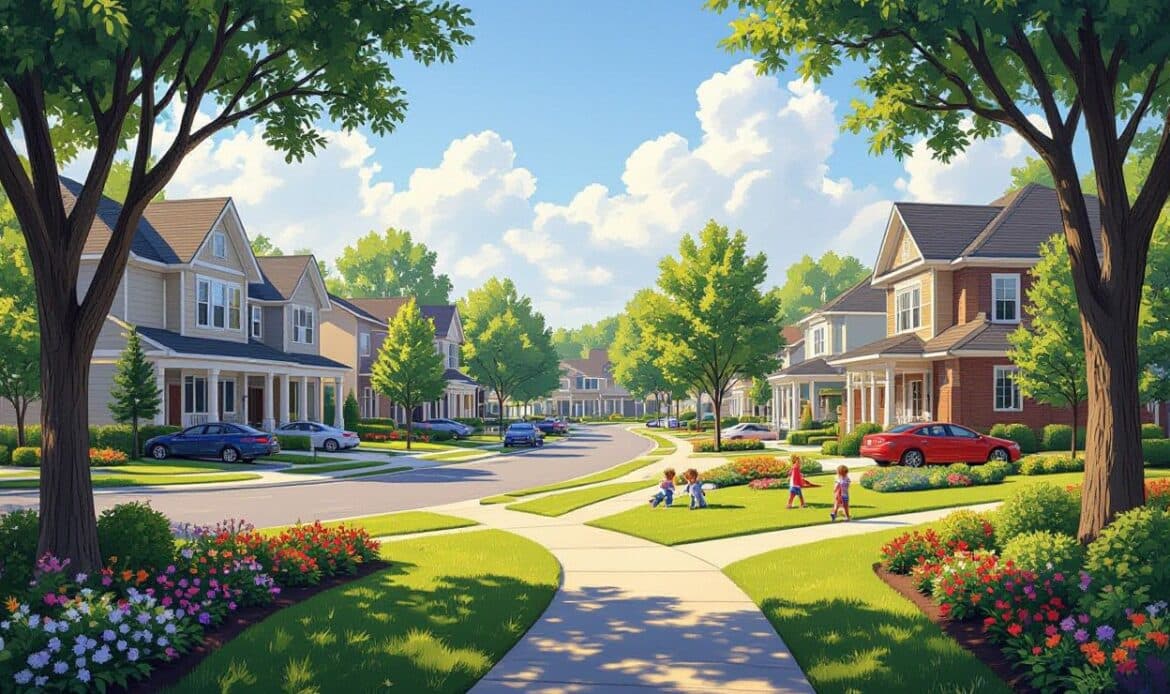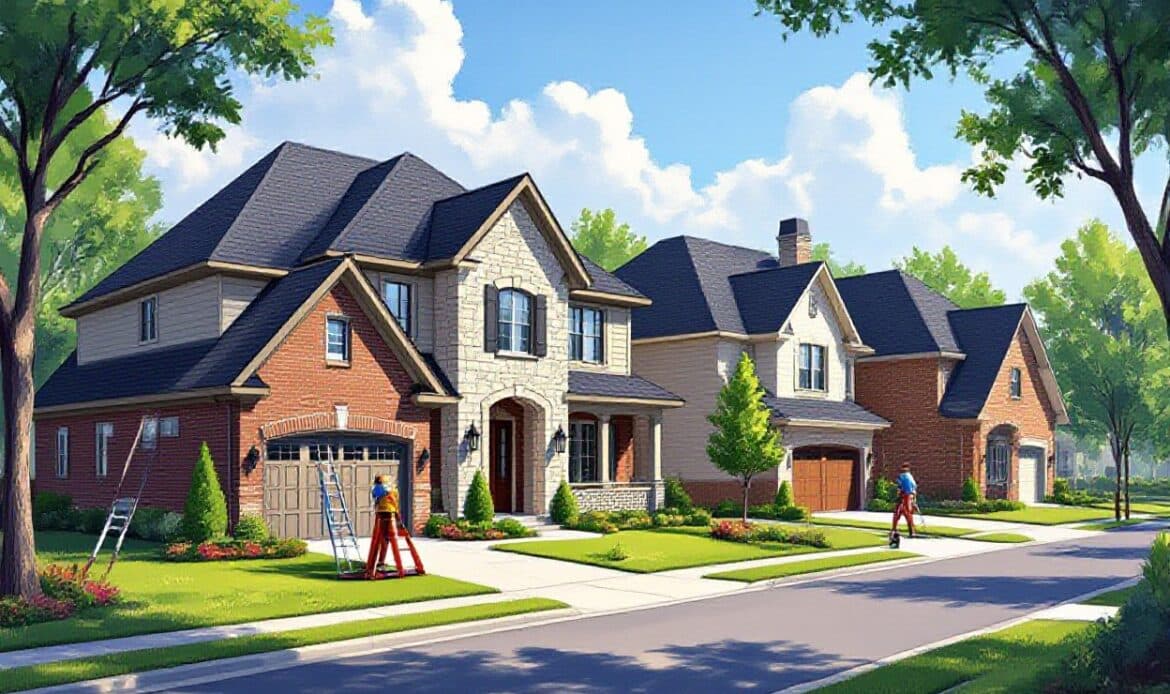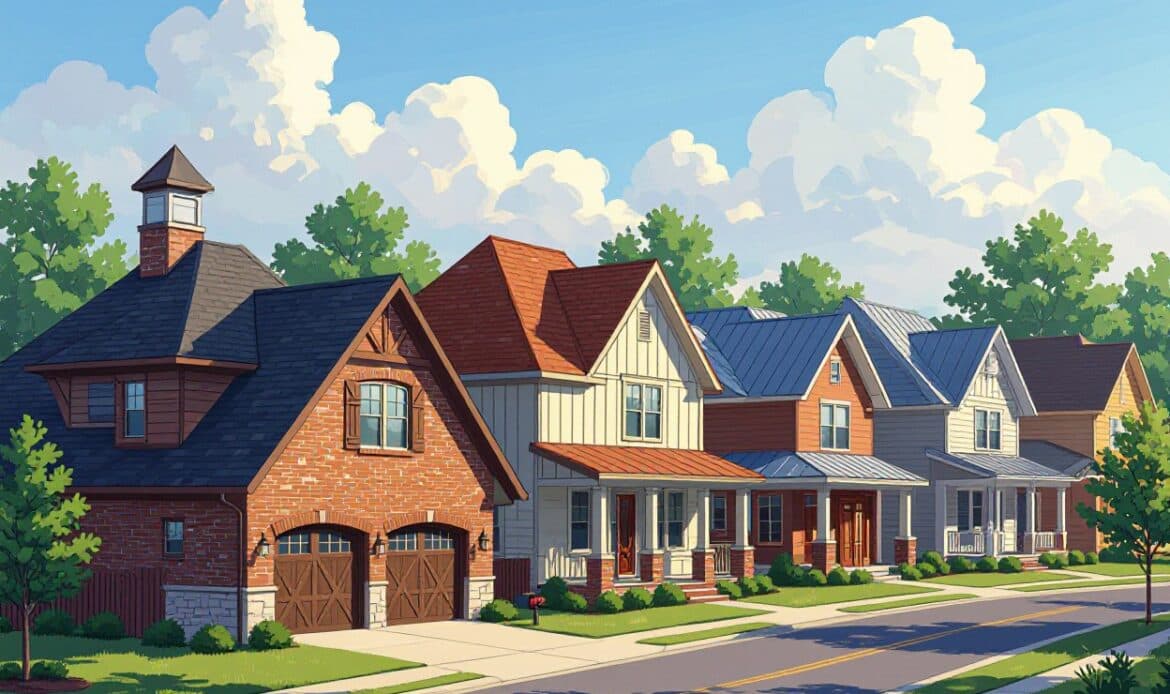
The Homeowner’s Playbook for Knollwood Estates in Tulsa: Master Roofing Covenants, Codes & Storms
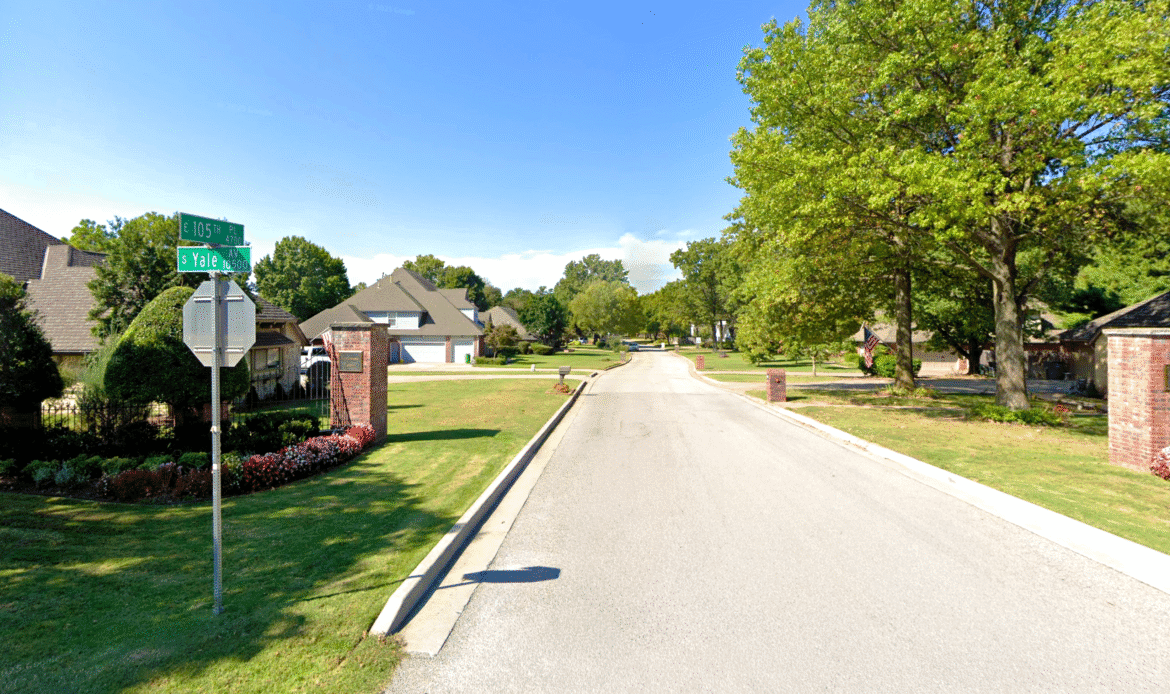
If you own a home in Knollwood Estates in Tulsa, two things decide how your next roof goes: the mandatory KHA covenants and Tulsa permits, and the weather. Severe storms, high winds, and hail all hit this part of town. This guide walks you through the local and state roofing codes, how to protect your investment, and how the neighborhood benefits from strong Jenks schools and nearby amenities. The next step is simple: hire a local, code-savvy roofing contractor to inspect the roof and put a plan in writing.
Key Takeaways:
- Worried about compliance, storm damage, or losing home value? Get a roofing contractor with Knollwood experience to inspect the roof, confirm what needs repair, and handle KHA and city approvals so the work is right the first time.
- Knollwood HOA rules limit materials and designs (no steel roofing, masonry chimneys, height limits and minimum square footage). Submit exterior plans to the Knollwood Architectural Control Committee before any work starts.
- Tulsa and Oklahoma codes call for specific roofing standards: 30-year architectural shingles, galvanized drip edges, ASTM wind and hail ratings, ice barriers, a Class A fire rating, and proper ventilation. Ask for these specs in every bid, and ask who pulls the permit and schedules inspections.
- Many 1980s and 1990s homes are near the end of their roof's lifespan while Tulsa's wind and hail cycles keep coming. Get a professional roof condition assessment, and plan on full replacement once you see granule loss, curling, or cracking.
- Protect resale value with paperwork. Keep written warranties, KHA approval letters, and City of Tulsa final inspection certificates. Put them in the listing so buyers feel confident and offers come in stronger.
Why Homeowners Like Knollwood Estates
About twenty miles south of downtown Tulsa, Knollwood Estates gives you suburban quiet with a short drive into the city. The subdivision sits between the Creek Turnpike and the Arkansas River, close to the Memorial Drive retail corridor and longtime anchors like Woodland Hills Mall (opened 1976), so shopping and dining do not require a long commute.
That character and access keep demand strong. Major routes make commuting easier for residents and for the service providers who work here, while nearby parks and schools hold up long-term resale value. Being close to the 66.5-acre Gathering Place, a $465 million public park that draws over 3 million visitors annually, adds to both lifestyle and market value.
Prime Location and Accessibility
Direct access to the Creek Turnpike and the main routes along Memorial Drive puts job centers, medical facilities, and shopping within a straightforward drive instead of a maze of backroads. That same infrastructure helps contractors working on roofs and exteriors, cutting travel time and speeding up permit turnaround through Tulsa city processes.
Recreation and retail sit close enough to shape daily life and buyer preferences. The Arkansas River corridor and Gathering Place open up outdoor options, and established shopping centers cover errands and services. That mix usually means more buyer interest and shorter time on market, which matters when you are protecting or upgrading your investment.
Educational Excellence in Jenks Public Schools
Being inside the Jenks Public Schools district gives you a system serving over 12,000 students across ten sites with a reputation for quality, including the Malcolm Baldrige National Quality Award (2016). Southeast Elementary, the attendance school for Knollwood Estates, was named a 2014 National Blue Ribbon School. Buyers look for that.
School reputation shows up in the numbers. Homes in the Southeast Elementary attendance area average near $614,658, and recent sales back that up: 5806 E 101st Place sold in March 2025 for $480,000 after seven days on market.
So when you set renovation priorities, the upgrades that match what district families expect, like compliant, long-lasting roofing and a well-kept exterior, pay you back.
Home Styles and Features
Construction Trends of the 1980s and 1990s
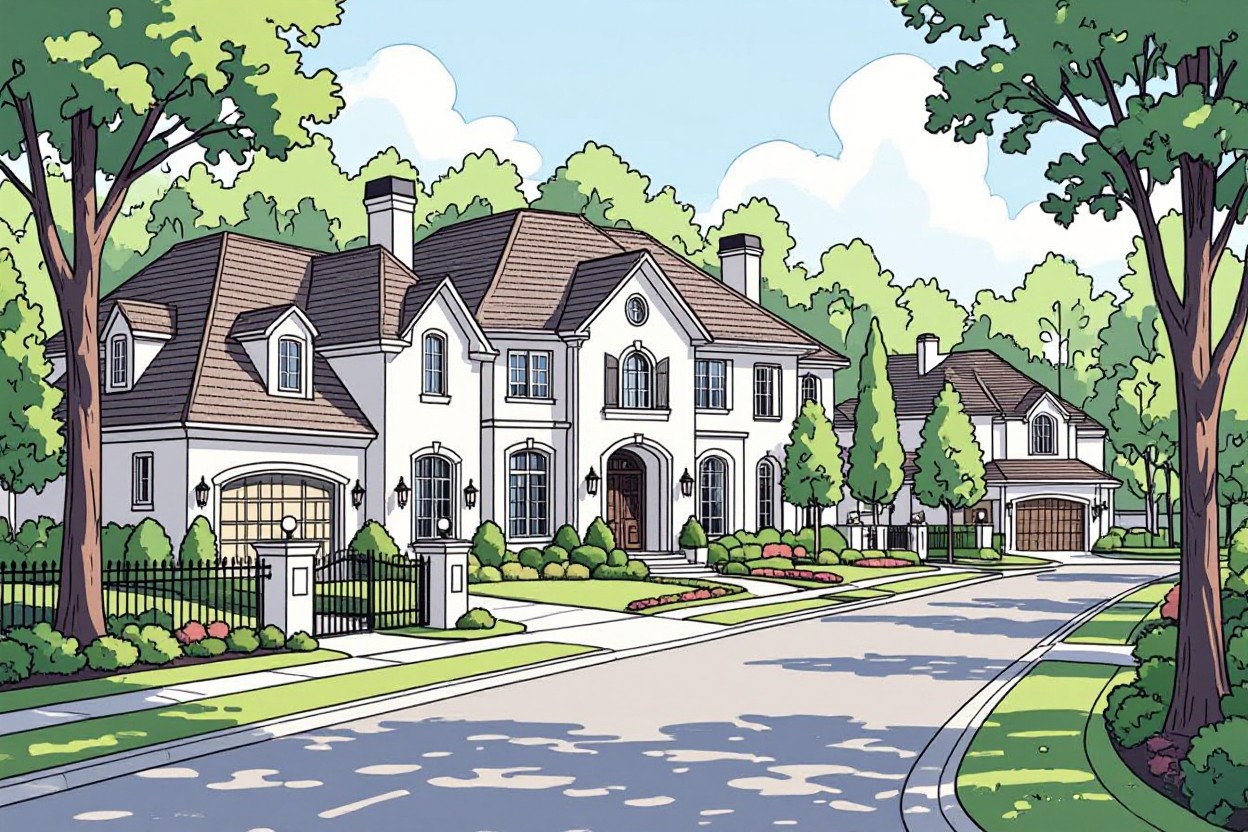
Developments recorded in 1980 and 1984 set the pattern you see across the neighborhood: wood-frame construction with brick or stone veneer, full basements on select lots, and open family areas that gave more living space than earlier decades. Builders used asphalt shingles and standard fiberglass insulation. A 1984 example at 4726 E 105th Place shows the scale of the era with 3,458 square feet, four bedrooms and three-and-a-half baths on a 0.56-acre lot.
Roofs favored gabled and hipped shapes with moderate pitches suited to the regional climate, plus masonry chimneys and attached 2–3 car garages. Many original roofs are now at the end of their 20–30 year lifespan, so inspections should focus on granule loss, curling, and decking condition. When you replace, KHA covenants prohibit steel roofing and require masonry chimneys.
Key Features and Common Styles of Homes
Ranch and traditional two-story designs dominate, often with split-bedroom layouts, formal dining rooms, and vaulted ceilings over great rooms. Exteriors are mostly brick/stone veneer with occasional wood accents. Inside, you will find oak cabinetry, carpeted living areas, and tile in bathrooms and kitchens, which makes maintenance and upgrade paths predictable.
On the roof, expect 30-year architectural shingles as the required replacement standard, galvanized drip edges, and ice barriers in vulnerable valleys. Floor areas run about 1,800 to 3,500 square feet, and lots vary, with some over half an acre, so yard amenities and foundation types differ from house to house.
- Ranch and two-story plans with split-bedroom arrangements
- Brick/stone veneer exteriors over wood framing
- Masonry chimneys required by KHA covenants
- Attached 2–3 car garages and paved driveways
- 30-year architectural shingles as the common roof specification
- Moderate-pitch gable and hip roofs designed for storm shedding
- Lot sizes often between 0.25 and 0.56 acres, allowing larger yards
- The roofing lifespan you should budget for is typically 20–30 years depending on exposure and storm history
Ventilation and moisture control come up often. The City of Tulsa and Oklahoma codes expect attic ventilation ratios between 1:150 and 1:300 and Class A fire ratings for roof coverings, so replacing shingles is a performance and compliance job, not just a cosmetic one. Contractors who use products meeting ASTM D7158 or D3161 hail and wind ratings and install code-required galvanized drip edges and ice barriers cut down future repair costs and help hold resale value.
- Interior sizes commonly 1,800–3,500 sq ft with 3–4 bedrooms
- Original finishes like oak cabinetry and carpet are frequent renovation targets
- Foundation types vary: slab-on-grade and full basements on larger lots
- Energy upgrades often include attic insulation and improved HVAC duct sealing
- HOA/KHA design controls that govern exterior materials and visible changes
- Proximity to amenities (Jenks schools, Gathering Place) that support market demand
- The market values in the area routinely place homes between $360,000 and $779,000, so upgrades tend to yield strong equity returns
Working Within the Covenants and City Rules
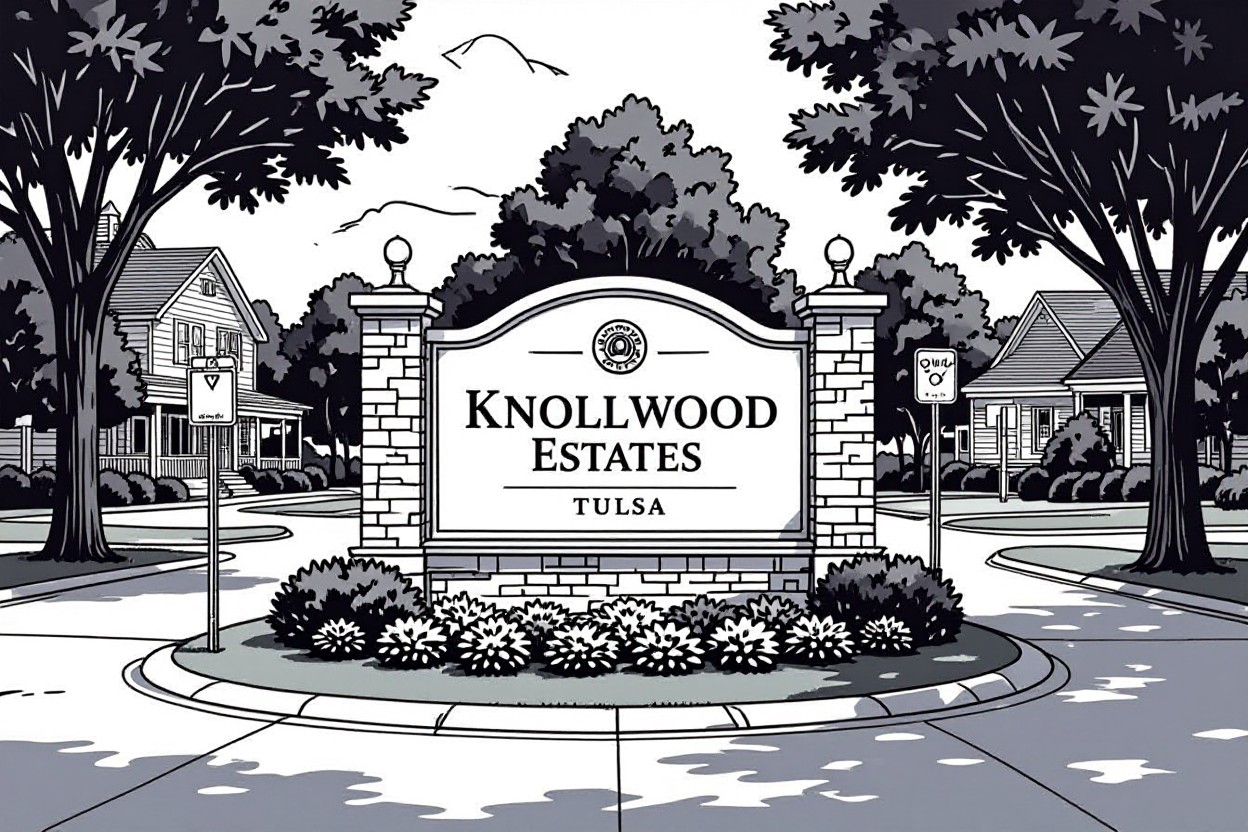
The Knollwood Homeowners Association enforces protective covenants that shape what you can do to your property. Membership in the KHA is mandatory for every lot owner, and architectural controls get reviewed for real. The rules are clear: no steel/metal roofing, masonry-only chimneys, a maximum of two-and-one-half stories, and minimum living-area requirements (ranch homes typically require ≥1,500 sq ft and two-story homes ≥1,800 sq ft). For a quick snapshot of local values and listings, see Knollwood Estates, Tulsa OK – Neighborhood Guide.
City rules sit on top of those covenants. Tulsa follows the International Residential Code and requires thirty-year architectural/heritage seal-down shingles installed per manufacturer specs, galvanized drip edges, and permits for roofing work over 500 square feet. Oklahoma standards often require shingles meeting ASTM D7158 or D3161, Class A fire ratings, ice barriers in valleys and transitions, and specified attic ventilation. All of that affects material selection, warranty acceptance, and which contractors qualify.
Essential Rules of the Knollwood Homeowners Association
The KHA works through an Architectural Control Committee (ACC) that reviews exterior change requests. You submit product specs, color samples, and contractor credentials before work begins. Variances, like exceeding the two-and-one-half story limit, need unanimous written approval from the ACC, so build in time if your project needs an exception. A standard submission asks for roofing brand and model, color swatches, and proof the installer carries state licensing and insurance.
Enforcement means written notices, fines, and stop-work orders when a project does not comply. Unresolved violations can force you to undo work on your own dime. That keeps the neighborhood looking consistent and supports property values, and it also means your timeline and budget have to include ACC review and city inspections. Contractors unfamiliar with Knollwood miss that part.
Impact of Guidelines on Property Modifications
The guidelines narrow your choices and change how bids get priced. Metal roofs are prohibited, roofing systems generally must be thirty-year architectural shingles with proper underlayment and drip edges, and many shingles must meet wind and hail resistance standards. Jobs over 500 sq ft need permits, pre-tear-off inspections, and final sign-offs. Every step adds administrative time and inspection windows to a normal replacement.
Projects often stretch several extra weeks because of ACC review, permit processing, and required inspections. Picking components that already match KHA and Tulsa specs keeps rework off the table. Compliance also helps at resale. Approved, code-compliant roofing and documented ACC approvals read well on disclosures, while noncompliant work can trigger forced repairs that stall a sale.
Here is what to do. Get the ACC application and written approval before you sign a contractor agreement. Order physical shingle samples and written product certification showing ASTM D7158/D3161 compliance and a Class A fire rating. Confirm the contractor will pull permits and schedule the pre and post installation inspections. A roofer with documented Knollwood Estates experience and written proof they understand both KHA processes and Tulsa/Oklahoma code will save you surprises.
What Tulsa Weather Does to Your Roof
The Effects of Tulsa's Weather on Roofing Performance
Severe thunderstorms, frequent hail, and fast temperature swings put direct stress on roofs across the Tulsa metro. Asphalt shingles expand and shrink with those swings, which speeds up cracking, curling, and granule loss. Hailstones over 1 inch in diameter bruise or puncture shingle surfaces and the underlayment beneath. High wind lifts at eaves and ridgelines, and shingles that do not meet ASTM D7158 or D3161 wind-resistance standards are far more likely to blow off, which can put water inside within hours.
Older Knollwood roofs, many installed in the 1980s and 1990s, are at or past the typical 20–30 year lifespan of conventional asphalt shingles. You will see exposed felt, granules in the gutters, split flashings, and bowed valleys. Local requirements already call for Class A fire-rated roofing, thirty-year architectural or heritage shingles, galvanized drip edges, and ice barriers in valleys and low-slope transitions. Miss those specs and you risk failed inspections and insurance complications when you file a claim.
Preparing for Severe Weather
Get a professional roof inspection every 2–3 years and right after any severe storm. Have a licensed Tulsa contractor check that shingles are secure, the underlayment is intact, flashing is sound, and attic ventilation meets code at one square foot per 150–300 square feet. When you replace, choose 30-year seal-down architectural shingles with ASTM wind and hail ratings and a Class A fire rating, and insist on ice-and-water barrier in all valleys and slope transitions to meet Oklahoma rules.
Then handle what you control. Trim tree limbs to keep 6–10 feet of clearance from the roof. Keep gutters and downspouts clear so water does not back up. Replace corroded flashing and gutter nails with corrosion-resistant fasteners. Impact-resistant or high-wind-rated shingles cut down storm repairs and help at resale, since buyers here expect compliant, durable exteriors.
Before work starts, file the roofing permit for projects over 500 square feet, put together sample swatches and a materials spec sheet for the Knollwood Architectural Control Committee, and schedule the pre-installation tear-off inspection and the final compliance inspection with the City of Tulsa. Ask your contractor for written confirmation that the installed products meet ASTM D7158/D3161 or equivalent and that everything follows manufacturer specifications. That paperwork protects you in warranty claims, HOA reviews, and insurance evaluations.
Schools, Parks, and Everyday Life
Spotlight on Jenks Public Schools' Achievements
Jenks Public Schools serves over 12,000 students across ten sites, enough scale for broad course offerings and specialized programs while neighborhood schools like Southeast Elementary stay close to local families. The district's Malcolm Baldrige National Quality Award in 2016 points to quality in leadership, performance, and continuous improvement, which shows up as steadier academic outcomes for your child.
Southeast Elementary's 2014 National Blue Ribbon School award tells you what to expect in the early grades here. Pair that with district-wide quality measures and it explains the demand for homes in the area, and why money you put into your property tends to hold.
Exploring Local Amenities: Parks, Recreation, and Community Events
The Arkansas River corridor puts riverfront trails and outdoor activity right nearby, and the Gathering Place, a 66.5-acre park developed as a $465 million gift, has drawn more than 3 million visitors annually since opening in 2018. Weekend outings, workouts, and get-togethers do not require a long drive.
Retail and dining along Memorial Drive and nearby Woodland Hills Mall add shopping and entertainment, and the community activities around those hubs include seasonal festivals and family events through the year. That balance keeps the residential quiet inside the neighborhood while convenience and destination recreation stay close.
Sitting between the Creek Turnpike and the river, the subdivision keeps all of it within easy reach, so outdoor recreation, cultural events, and weekend plans stay varied and accessible. That quality of life is part of why real estate here performs the way it does.
Your Next Step
You are dealing with an aging roof, hail and high winds, and strict rules on both sides: KHA material restrictions (no steel roofing), masonry chimney standards, and Tulsa's permit-heavy inspections. The fix is a local, licensed roofing contractor who knows the Knollwood Homeowners Association covenants, Tulsa's IRC-based permit process, and Oklahoma wind, hail, and fire-rating specs. They evaluate the roof, recommend 30-year architectural shingles, proper ventilation, and ice barriers, and prepare the HOA and city documentation needed for approval.
From here, schedule a full inspection and ask for a written proposal from a contractor with real experience in Knollwood Estates in Tulsa. That proposal should spell out HOA approval steps, required permits, compliant materials, installation timelines, proof of licensing and insurance, and a manufacturer-backed warranty. With a documented plan and a clean installation, your investment is protected, the rules are met, and the house looks the part again.
FAQ
Roof aging out or storm damaged, and not sure how the HOA rules, Tulsa building codes, and local weather change your options? Here is what you need to know and what to do next.
What Knollwood Homeowners Association (KHA) rules affect roofing projects?
KHA membership is mandatory and all exterior work requires written approval from the Knollwood Architectural Control Committee. Key restrictions: no steel/metal roofing, all fireplace chimneys must be masonry, and structures are limited to two-and-a-half stories unless every lot owner grants a written exception. Minimum living-area requirements vary by style and lot. Action: submit plans to KHA for written approval before ordering materials or scheduling work.
Which City of Tulsa and Oklahoma codes must my roof meet?
Tulsa enforces the International Residential Code (IRC) with Oklahoma modifications. For a replacement, that usually means thirty-year seal-down architectural/heritage shingles installed to manufacturer specs, galvanized drip edges at all roof edges, a Class A fire rating, ice barriers in valleys and slope transitions, attic ventilation per code (typically 1:150–1:300), and shingles meeting wind/hail standards (ASTM D7158 or D3161). Permits are required for work over 500 sq ft and include plan review, pre-installation tear-off inspection, and final inspection. Action: hire a contractor who will pull permits and confirm product and installation compliance in writing.
How does Tulsa's climate and the age of Knollwood homes change my replacement choices?
Knollwood homes, mostly 1980s and 1990s, often have roofs near or past the typical asphalt shingle lifespan. Tulsa's severe thunderstorms, high winds, hail and big temperature swings speed up wear, which shows as granule loss, curling, and cracking. Choose high-wind/hail-rated architectural shingles, proper underlayment and ice barriers, and get the ventilation and flashing details right. Action: schedule a professional roof inspection, ideally with a hail/wind assessment and photos, and get a written replacement plan specifying rated materials and code-compliant assemblies.
What should I require from a roofing contractor to protect my investment and ensure compliance?
Hire a locally experienced, licensed and insured contractor with documented Knollwood or Tulsa HOA experience, manufacturer certification for the shingle you choose (that is what unlocks extended warranties), a commitment to obtain KHA written approval and pull all City of Tulsa permits, pre-installation tear-off inspection and final city inspection, and a written scope, materials list (ASTM ratings, Class A), labor and manufacturer warranties, and proof of insurance and licensing. Ask for three references and prior project photos from Knollwood Estates. Action: get written estimates from at least three qualified contractors and pick the one who handles HOA and permit management with clear compliance documentation.
What exact steps and paperwork will ensure a smooth, code- and HOA-compliant roof replacement?
Follow this sequence: 1) Review KHA covenants and submit an ARC application for written approval. 2) Get a detailed written estimate listing materials (30-year architectural shingles, ASTM ratings, Class A), installation methods, warranties and timelines. 3) The contractor pulls the City of Tulsa permit (if >500 sq ft) and schedules the pre-installation tear-off inspection. 4) Complete the installation with code-compliant materials (galvanized drip edge, ice barriers, ventilation, masonry chimneys where applicable). 5) Pass the city final inspection and give KHA the completion documentation. 6) Collect manufacturer and workmanship warranties and keep every permit, inspection, and approval record. Action: contact KHA for approval and a licensed Tulsa roofer to schedule a permit-backed inspection and start the approval-to-install process.