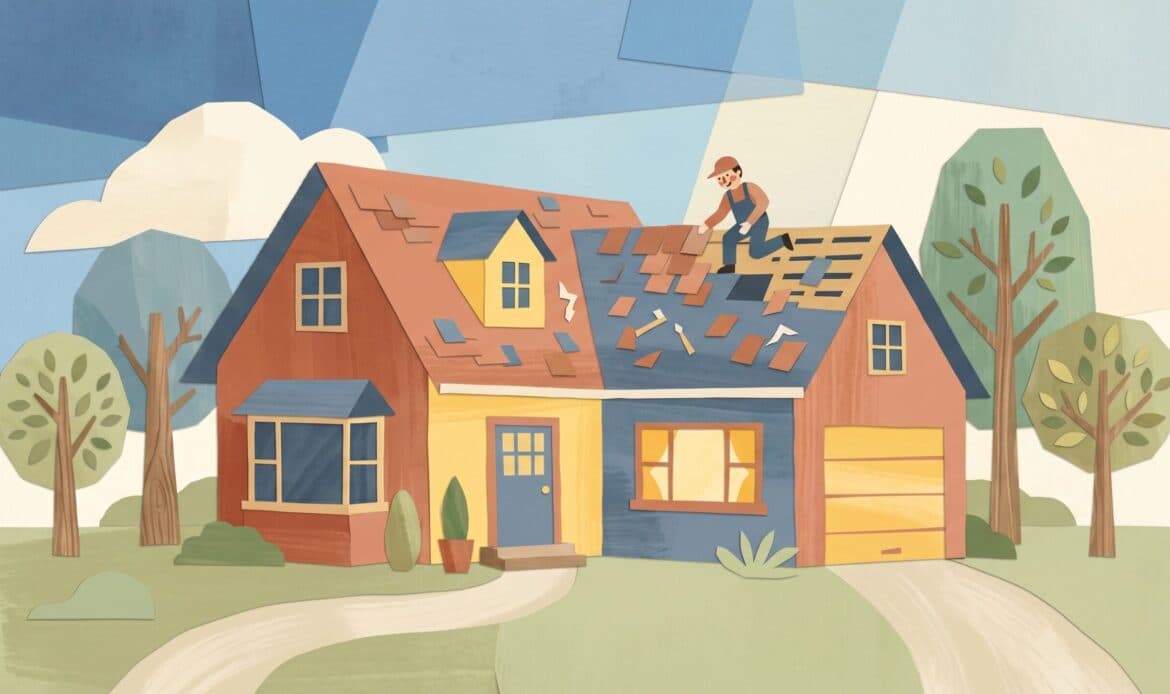
Your Roof Can’t Wait: Immediate Emergency Roof Repair in Tulsa
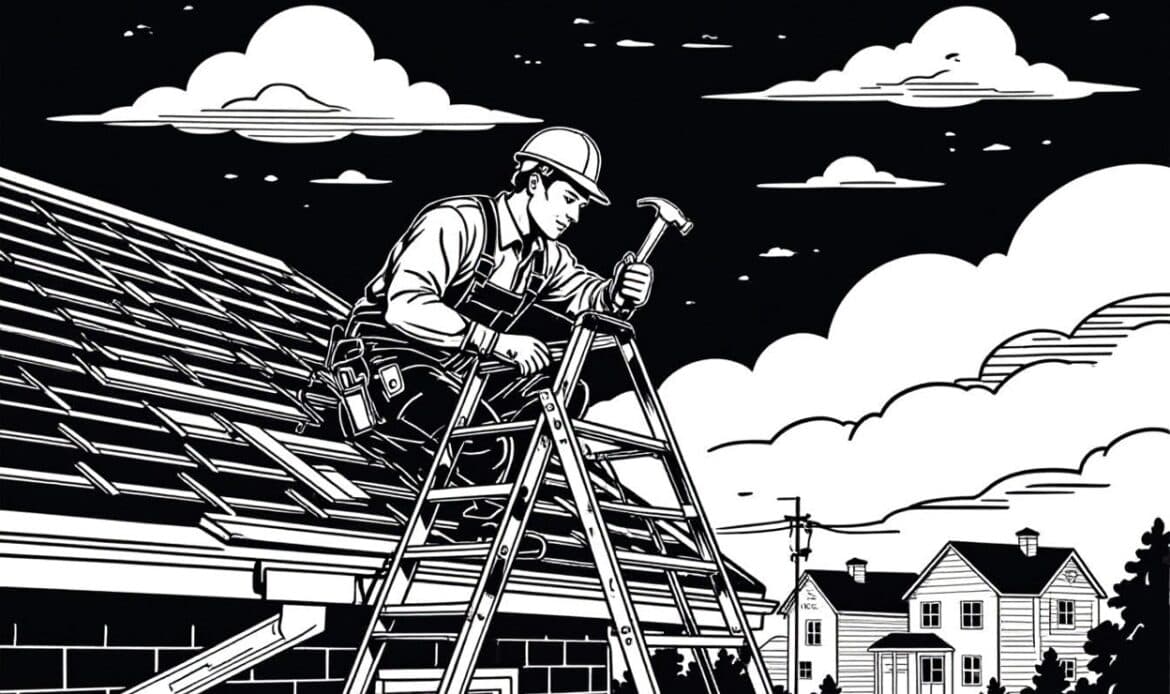
A damaged roof leaves you open to fast leaks, structural problems, and mold growth. If you see missing shingles, sagging, or water coming in, you need help right now. Trifecta Roofing and Restoration is a local, licensed and insured crew offering rapid response, free inspections, and industry-backed warranties, so you can protect the house and keep the bill from growing. We look at the roof, explain your repair options, and hand you a clear estimate so you can decide. Call us for a priority emergency inspection and straight answers on what comes next.
Key Takeaways:
- Repairs built for Tulsa weather. We use hail- and wind-resistant materials, proper ventilation, and installation by licensed, insured, manufacturer-certified installers.
- A free, no-obligation inspection and a written estimate. You get transparent pricing, an itemized scope of work, and help with insurance claims and documentation to speed approvals.
- Repairs that hold up. Premium materials, professional workmanship, warranties, and a post-repair follow-up.
- Move now. Call for immediate emergency repair or schedule online for a free inspection and a detailed estimate from your Tulsa roofing experts.
How to Tell a Roof Problem Is an Emergency
A steady drip through the ceiling during a storm means you have an active leak, and it gets worse fast. Water tracks along rafters, soaks insulation, and spreads mold within weeks. A heavy Tulsa downpour can drop more than 1 inch of rain per hour in a severe storm, and damaged flashing or torn underlayment will let a lot of that into your attic. If water is coming in, stains are growing across the ceiling, or there is standing water in the attic, treat it as an emergency.
Check from the inside before anyone climbs up. Look for wet insulation, granules in the gutters, or daylight through the roof deck. Hidden trouble like separated flashing, broken vent collars, or blistered underlayment usually shows up first as a small leak. Left alone, those turn into decking rot and framing damage inside a single rainy season. Photograph what you find and take notes. Those records speed up the insurance response and help plan the repair.
Signs You Cannot Ignore: Leaks, Sagging, and More
Leaks that puddle or drip near electrical fixtures are an immediate safety hazard. Water near recessed lights, switches, or attic wiring raises the risk of shock and electrical fire. Ceiling stains that darken and spread, paint that bubbles or peels, and a musty smell that will not go away all point to ongoing moisture. If you see any of that while the storm is still going, shut off the breakers to those areas and call emergency services if needed before you call a roofer.
Structural trouble shows up as a sagging roofline, a ceiling bowing downward, or doors and windows that suddenly stick after a storm. That means the roof deck or the rafters under it may be waterlogged or damaged. Waterlogged decking can add dozens of pounds per square foot and speed up a collapse. Missing shingles across a whole section, flashing pulled up, or underlayment exposed after hail or wind means do not wait. Photograph the damage within 48 hours and get a professional inspection.
When to Call for Help: Timing Is Everything
Call right away if water is coming into living space, a ceiling is sagging, or a chimney or roof edge has pulled away. Those are active emergencies. Any time water is inside the house, get a qualified roofer on site within 24 hours to look at temporary tarping and stop the damage from spreading. Insurers expect prompt action, so contact your carrier within 72 hours to open a claim and document the loss.
After a Tulsa hail or wind event, schedule a full roof inspection within a week. Hail bruises and hidden membrane tears get missed by untrained eyes. Tarping should happen within 24 hours when it is practical. Local crews can usually put on emergency tarps and temporary repairs the same day to keep water out.
Move fast, but carefully. Get at least two licensed, local estimates within 7 to 10 days, keep every invoice and photo, and turn away door-to-door storm chasers who cannot show real insurance and references. If more than 25% of shingles are missing on one slope, or there is bruising across the whole roof, that is likely a full replacement. Notify your insurer promptly so coverage and scheduling do not stall.
What Waiting Actually Costs You
Putting off an emergency repair turns a small expense into a big one. A same-day tarp and patch that runs $300–$900 can stop the water damage that leads to decking rot, insulation replacement, and interior drywall repair. That work often lands in the $5,000–$20,000 range. Then come the secondary costs: emergency water extraction, mold cleanup, and HVAC damage once moisture reaches living space.
Waiting also hurts your claim and your resale value. Carriers expect you to act quickly, and failing to act or document emergency repairs can lead to a reduced or denied claim. Buyers offer less for a home with known roof issues. Surveys and agent reports put sale-price reductions or repair credits at 5% to 15% of the home's asking price, depending on the damage and the Tulsa market.
Understanding Emergency Repair Costs
Here are the ballpark numbers: a service call and inspection at $150–$400, temporary tarping at $300–$900, and emergency patching or flashing repair at $200–$1,500. If the decking or structure underneath is damaged, expect $1,000–$3,500 for decking replacement in small areas. A full roof replacement on an average Tulsa home usually falls between $8,000 and $18,000 depending on materials (architectural shingles versus impact-resistant shingles versus metal), roof pitch, and difficulty.
Insurance can cover a lot of the emergency cost on hail and wind losses, but only if the damage is documented well. Keep time-stamped photos, contractor estimates, and receipts for the temporary work. Insurers often want proof you took steps to prevent more damage before they approve the big repairs. Deductibles around here typically run $500 to $2,500, and some policies use percentage-based wind and hail deductibles, so you usually pay out of pocket first and get reimbursed after the claim is processed.
Long-term Financial Impact: Ignoring Minor Issues
A few missing shingles, failing flashing, or a small leak gets worse quickly in Tulsa weather. Repeated hail strikes and wide temperature swings speed up shingle failure and seam separation. Trapped moisture brings rot and mold. Attic insulation replacement runs $1,500–$4,000, drywall repairs $1,000–$6,000, and joist or rafter repairs can pass $2,500–$10,000+ once the hidden damage shows itself.
Neglect costs you every month, too. Damaged insulation and ventilation raise your energy bills, multiple claims raise your premiums, and you lose leverage when you sell. Lenders and inspectors often require a full roof replacement before a loan closes, which forces a large, rushed expense instead of a small, planned repair.
Here is how that plays out. You patch a small leak for $800 after a hail event. That leak goes unchecked through one rainy season and causes decking rot and interior mold, so now you are paying for decking replacement, drywall removal, and mold cleanup. The combined bill can reach $12,000–$15,000. Even with partial insurance coverage, you could be out several thousand dollars in deductible and depreciation, plus weeks of disruption for your family.
Finding an Emergency Roofer You Can Trust
Narrow the field fast by looking at local companies that offer emergency response, same-day inspections, and immediate temporary tarping. Those services matter after Tulsa hail or wind events. Ask for the contractor's local office, a list of recent Tulsa-area projects, and proof they pull city permits. A company that cannot confirm permits or give you local references is usually a storm chaser working outside normal channels.
Get at least three written estimates that list materials by brand and class, labor, permit fees, and a clear payment schedule. Favor contractors who install manufacturer-backed products. In Tulsa, that usually means asking for Class 4 impact-resistant shingles. Ask how the workmanship warranty is recorded and enforced. Check Google reviews, BBB records, and two local references before you sign anything.
Spotting Red Flags: How to Avoid Scammers
Watch for unsolicited door knocks after a storm, contractors who want cash only or the full balance up front, and crews in unmarked trucks with no local address. Anyone who will not give you a license number or a certificate of insurance (COI) showing liability and workers' comp, or who pushes you to sign on the spot, is high risk. Ask for their insurer's phone number and confirm the policy is active before you pay a dime.
Be careful with vague, low-ball quotes that leave out the shingle brand, underlayment type, flashing details, or permit costs. Those gaps turn into surprise charges and sloppy work. Contractors who tell you permits are not required for a roof replacement in Tulsa, or who offer to "handle insurance" without written authorization from you, are cutting corners. Insist on a detailed written contract and independent confirmation that permits were pulled.
Questions to Ask Before Hiring a Contractor
Ask for the Oklahoma license number and check it online. Request a COI with policy numbers for general liability and workers' comp, then call the insurer to confirm coverage and expiration dates. Ask for a written scope naming the shingle brand and class (for example, Class 4 impact-resistant), underlayment type, flashing details, start and projected completion dates, the cleanup and disposal plan, and whether the contractor pulls Tulsa building permits and schedules inspections.
Get the warranty details in plain terms. Ask the manufacturer warranty length (25 to 30 years is common), what transfers to a new owner, and the workmanship warranty term, including whether it is registered and backed in writing. Confirm who your day-to-day contact is, how change orders work, the exact payment schedule (keep the deposit small and avoid large sums up front), and whether the company can tarp within 24 hours of the inspection.
Then verify. Check the Oklahoma Construction Industries Board license lookup, call the insurer on the COI, visit a recent local job or view time-stamped photos, and read detailed recent reviews on Google and the BBB. If a contractor cannot produce real documentation within 24 hours, walk away.
What to Do in the First Few Hours
Temporary Fixes: Tarping and Water Diversion
Use a heavy-duty polyethylene tarp (minimum 6-mil) sized to extend at least 3 feet past the damaged area. Secure it with the 2x4 batten method: lay the tarp over the roof, roll a 2x4 along the edge, and fasten through the board with screws and fender washers every 18 to 24 inches so wind cannot lift it. If decking is exposed, tuck the tarp under the remaining shingles at the highest point you can safely reach so it laps and sheds water downslope. Do not staple into wet or rotted decking. That only causes more damage.
Inside, put large buckets or plastic totes under the drips and route heavy flows with flexible tubing or a garden hose to a drainage point at least 10 to 12 feet from the foundation. Clear gutters and downspouts right away so the runoff does not back up and make the leak worse.
Safety First: Protecting Your Home and Loved Ones
Keep everyone off the roof and out of the rooms under the damage until a professional checks the structure. Falls account for roughly 40% of construction fatalities, so stay off ladders and roofs unless you have fall protection training and equipment. If water is coming in near electrical fixtures, cut power to those circuits at the main breaker. Use a flashlight or battery light instead of the overhead lights, and call a licensed electrician before power goes back on.
Move valuables and electronics away from drip locations in the attic. Put plastic sheeting and raised platforms, like cinder blocks or pallets, under anything you cannot move. If you smell natural gas or suspect a damaged gas line, leave the house immediately and call emergency services. Do not flip switches, use a phone inside, or try to fix it yourself.
If you must do brief work outside, wear proper personal protective equipment. Non-slip boots, gloves, eye protection, and a Class III harness anchored to a point rated for at least 5,000 lb per worker are the industry standard for safe temporary access. Otherwise, wait for a trained crew with certified fall-arrest systems, edge protection, and insurance to handle fragile areas and heavy debris.
Handling the Insurance Claim
Documenting Damage: Essential Tips for Homeowners
Secure the area, then photograph everything before any repair starts. Interior water stains, soaked insulation, torn shingles, exposed decking. Take at least 20 photos from multiple angles, put a tape measure in the shots for scale, and record short video walkthroughs showing the leaks while water is running. Note the hail size using a coin for scale (a quarter is about 1 inch), measure the affected roof surface in "squares" (1 square = 100 sq ft), and keep date-stamped files so the timeline is obvious.
Adjusters look first at visible structural failures and proof that you acted fast, so organize your photos and receipts around that. Save every invoice for tarping, boarding, and hotel stays if the house becomes unlivable, and keep both digital and hard copies.
Maximizing Your Claim: Strategies to Secure Fair Compensation
A line-item estimate from a licensed roofer strengthens your position. Get at least one written scope showing material quantities, labor, and decking repairs. Submit your temporary repair receipts right away. Insurers often reimburse emergency work when you have itemized receipts. Know whether your policy pays Actual Cash Value (ACV) or Replacement Cost Value (RCV). Deductibles on Tulsa policies often run $500 to $2,500, and depreciation can shrink the first ACV payment until you submit final invoices for RCV recovery.
We meet the adjuster at your house so we can point out hidden damage like saturated sheathing or failed ventilation. Contractor photos with measurements and tear-off images often get supplements approved. Consider a public adjuster only if talks stall. Their fees typically run 10% to 20% of the settlement, so weigh that against the extra payout you expect. Keep copies of every message and file appeals inside your insurer's stated timeline. Plenty of disputes get resolved after a documented second inspection and a supplemental estimate.
Line-item supplements win claims. If your roofer finds hidden decking rot or failed flashing during tear-off, send a supplement packet with before-and-after photos, contractor invoices, and local code upgrade costs such as permits and underlayment upgrades. Oklahoma insurers commonly process supplemental approvals faster when the evidence is clear, time-stamped, and backed by a contractor's scope change. Including manufacturer warranty quotes for Class 4 impact-resistant shingles can recover the upgrade cost when the insurer recognizes the long-term value.
Get Your Roof Secured Today
You have a leaking or storm-damaged roof and you need dependable help now. You deserve a fast local response that secures the house and stops the damage from spreading. Our emergency roof repair in Tulsa starts with your safety: prompt tarping or temporary repairs, a clear on-site assessment, and a plan and estimate in plain language so you know what to expect.
Call our licensed, insured local crews for same-day response and a free, no-obligation damage assessment. We follow Tulsa codes, recommend materials that hold up in this climate, and back our work with transparent contracts and applicable warranties. Schedule an inspection now and let Trifecta Roofing and Restoration protect your home.
FAQ
I'm facing a roof emergency. What should I do right now?
If water is coming in or shingles and debris are falling, safety comes first. Keep people and pets away from the area and shut off electricity to the attic or damaged zone if you can do it safely. Move valuables out of the way and put buckets under active drips. Take clear photos and a short video for insurance. Do not climb on the roof. Call a local emergency roofer to arrange a professional assessment and temporary protection such as tarping or patching. Our Tulsa emergency team handles rapid triage, temporary tarping to stop water intrusion, photo documentation for your claim, and a clear plan for permanent repairs. Call our emergency line for same-day response.
How quickly can an emergency roofer near me respond in Tulsa?
It depends on call volume and weather, but a local emergency roofer should get a crew or assessor out within 1 to 4 hours for urgent calls and the same day for less severe issues. A big storm surge stretches those times, but a good local company will give you live updates and an arrival window. Our Tulsa crews put life-safety calls first and aim to arrive within hours for active leaks and unstable roofing, stabilize the roof on site, then schedule the permanent repair estimate.
Will emergency repairs affect my homeowner insurance claim?
Temporary repairs like tarps, boarding, and short-term patches are generally allowed and often required to prevent more loss. Insurers typically cover reasonable costs to stop further damage. Keep every receipt, get written documentation and photos from the contractor, and hold off on permanent repairs until the adjuster inspects unless your insurer agrees otherwise. A trustworthy roofer gives you itemized invoices, photo documentation, and direct communication with your adjuster to support the claim and show why more work is needed.
How much does emergency roof repair near me usually cost?
It depends on how bad the damage is and how hard the roof is to access. Typical Tulsa ranges: a basic tarp or temporary patch at $150–$800, localized shingle or underlayment repair at $200–$1,200, moderate repairs with decking replacement or flashing work at $800–$2,500, and major structural or multi-area repairs above $2,500. The final number comes down to the extent of the damage, materials, roof pitch, and whether replacement is needed. We do a free on-site emergency inspection and write a clear estimate that separates temporary stabilization from the recommended permanent repair, so the choice is yours.
How do I choose a trustworthy emergency roofer in Tulsa?
Run this checklist. Verify current local licensing and full insurance, both liability and workers' comp. Confirm emergency availability and a clear response time. Get written estimates and a signed scope for any emergency work. Ask for references and recent local reviews on Google or the BBB. Confirm manufacturer certifications and warranty terms for both temporary and permanent work. Make sure they provide photos, itemized invoices, and help with insurance communication. Our Tulsa team is licensed, insured, and manufacturer-certified, provides documented emergency tarping and same-day assessments, and follows up with a no-obligation estimate for the permanent repair. Call our emergency line to schedule immediate help and a free inspection.