Is Your Home Hail-Ready? A 2026 Guide to Hail Damage Prevention
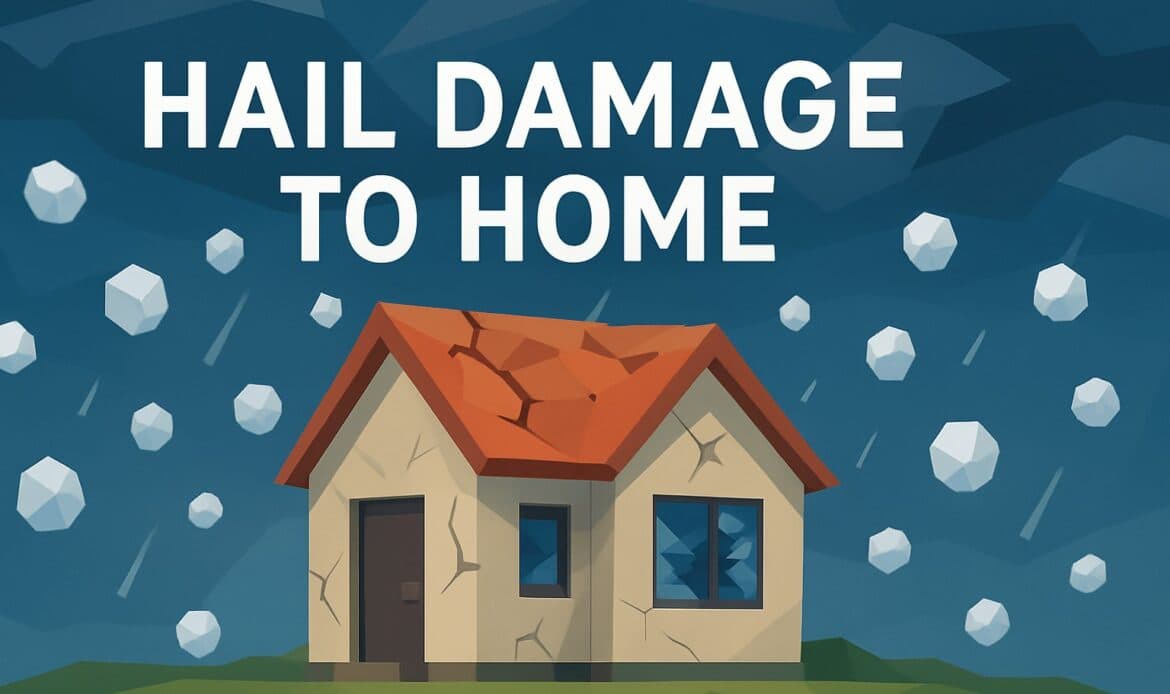
Every spring, Northeast Oklahoma homeowners face powerful hailstorms. The cost of hail damage to home exteriors keeps climbing, and local storms cause millions in losses. If you are not sure how to protect your property, you are in good company.
This guide from Trifecta Roofing and Restoration walks you through preventing, spotting, and recovering from hail damage. We cover local hail risk, prevention steps, how to inspect your house, what to expect from an insurance claim, and how to pick a restoration contractor.
The advice here comes from working on Tulsa-area roofs. Start now and your house will be ready for 2026.
What Makes Hail Such a Risk in 2026
Severe weather is part of life here. Every spring, hail moves through our communities and beats up roofs, windows, and walls. Protecting your house starts with understanding the real risk behind hail damage to home structures and how that risk is changing heading into 2026.

How hailstorms form and what they do
Hail forms when strong updrafts inside a thunderstorm carry water droplets high enough to freeze. The stones grow, then fall. Northeast Oklahoma sits in Tornado Alley, where warm and cold air masses collide, so we get more than our share. Hail season runs March through June. NOAA recorded a 12% increase in severe hail events in our region in 2025.
Size matters. Quarter-sized hail can puncture asphalt shingles. Golf ball-sized stones break windows and dent siding. Climate projections for 2026 point to more frequent and more intense storms. Tulsa's 2024 hailstorm alone caused $120 million in residential losses. For more numbers on how often hail hits Oklahoma homes and what it costs, see the Hail Damage Statistics in Oklahoma.
The damage we find most often
After a storm, the first job is figuring out what got hit. The most visible problem is usually **hail damage to a roof**: dented shingles, cracks, or granule loss that leaves the underlayment exposed. Siding shows punctures and cracks. Gutters get dented or pulled loose.
Water intrusion is the bigger worry. A broken window or a damaged gutter lets moisture inside, and that turns into mold and rot over time. Some damage never shows from the driveway, like an attic leak or wet insulation. In 2024, one in five Oklahoma homes filed an insurance claim for hail-related issues.
Quick Checklist:
- Inspect roof for missing granules or dents
- Check siding for cracks or holes
- Examine gutters for bends or detachment
- Look for water stains indoors
What it costs when you wait
The money side is real. The average insurance claim after an Oklahoma hailstorm is $12,000 per home. Filing can push your premium up too, especially with several incidents on your record.
Delay costs more. Water intrusion brings mold and rot, which drags down your property value and creates health problems. If water reaches wiring or a circuit box, you have an electrical hazard. Loose roofing or siding can fall. Homeowners who put off repairs have seen restoration costs run 40% higher than those who moved quickly.
Table: Restoration Cost Impact
| Action Time | Average Cost Increase |
|---|---|
| Immediate Repair | Base Cost |
| 3+ Months Delay | +40% |
Local codes and older houses
Building codes around Northeast Oklahoma are catching up to the hail we actually get. Older houses often have no impact-resistant materials at all, so they take the worst of it. Recent updates require all new builds to use Class 4 shingles, which stand up to severe hail and can cut your insurance premium.
One Bartlesville subdivision upgraded to those materials and saw a 70% drop in claims after the last major storm. Meeting current code matters for safety and for your coverage. If your house falls short of the standard, your insurer may deny a future hail claim.
If you are wondering how your house would hold up, every job starts with a free inspection. Knowing your risk is the first step.
Steps You Can Take Before the Next Storm
Protecting a house from hail takes planning. Severe storms are a fact of life here, but the right steps cut your risk and keep your family safe. Here is what works in our region.
Upgrading roofing materials for hail resistance
Your roof takes the first hit. Around here, Class 4 impact-resistant shingles are the choice we recommend most. They hold up to hail as large as two inches across and can lower your insurance premium by as much as 20 percent. Metal roofing is another strong option. It resists severe denting and lasts for decades.
Here's a quick comparison:
| Roofing Material | Hail Resistance | Typical Lifespan | Insurance Savings |
|---|---|---|---|
| Class 4 Shingles | Excellent | 30+ years | Up to 20% |
| Metal Roofing | Superior | 40+ years | Up to 18% |
| Standard Asphalt Shingles | Moderate | 15–20 years | Minimal |
Many manufacturers back Class 4 shingles with warranties that cover hail impact. For more on the benefits and the install, see the Class 4 impact-resistant shingles guide.
An Owasso family who upgraded their roof reported saving $2,500 a year once you combine the premium reduction and fewer repairs. Spend now, and you deal with far less hail damage to home exteriors down the road.
Siding, windows, and gutters
Siding, windows, and gutters are where hail gets in. Modern vinyl and steel siding are built for impact, so they crack and puncture less. Double-pane and tempered glass windows are much less likely to shatter in a storm, and you get better energy performance too.
Gutter guards and reinforced brackets keep gutters attached instead of hanging off the fascia and dumping water against the house. A Claremore homeowner who reinforced their gutters avoided interior flooding during last spring's hailstorm.
These upgrades do double duty: less storm damage, lower maintenance, better resale. Check these areas regularly.
Landscaping and exterior prep
Smart landscaping helps. Trim overhanging branches so limbs do not come down on the roof or siding. Add protective screens over vents and skylights, which take direct hits.
Before hail season, secure outdoor furniture, grills, and play equipment. Gravel instead of mulch in beds near the house means less debris flying at siding and windows. A spring yard walk-through catches most of these risks early.
A little prep goes a long way. It limits damage and speeds up recovery when a storm does hit.
Routine inspections and maintenance
Inspections are the backbone of any hail plan. Get the roof and exterior looked at before hail season each year. Check shingles, flashing, siding seams, and window seals for wear.
Here's a quick checklist:
- Inspect roof for loose, missing, or damaged shingles.
- Examine siding for cracks or gaps.
- Test window seals and look for broken panes.
- Ensure gutters are clear and firmly attached.
According to State Farm, Oklahoma homes with annual inspections had 60 percent fewer severe claims. Whether you do it yourself or call someone, handling small problems early keeps them from turning into big ones.
Smart home technology for early warning
Technology gives you a head start. Weather monitoring systems send real-time hail alerts so you can close shutters or move vehicles. Automated window and skylight shutters add another layer.
Severe weather apps push instant updates and tie into home security systems. One Tulsa homeowner got a 15-minute warning, enough time to secure valuables and avoid a major loss.
These tools mean you are not caught flat-footed when the sky turns green.
Trifecta Roofing and Restoration: Your Local Hail Protection Partner
We know what hail does to houses in Northeast Oklahoma. We offer free inspections, honest recommendations, and expert installation of Class 4 shingles, impact-resistant siding, and reinforced gutters.

With 498+ projects completed and a 4.9 out of 5 star customer rating, we back our work with solid craftsmanship and straight answers. We walk you through every step, including the insurance claim and warranty registration.
Schedule your free inspection. Let's get your house ready before the next hailstorm.
How to Check Your House After a Hailstorm
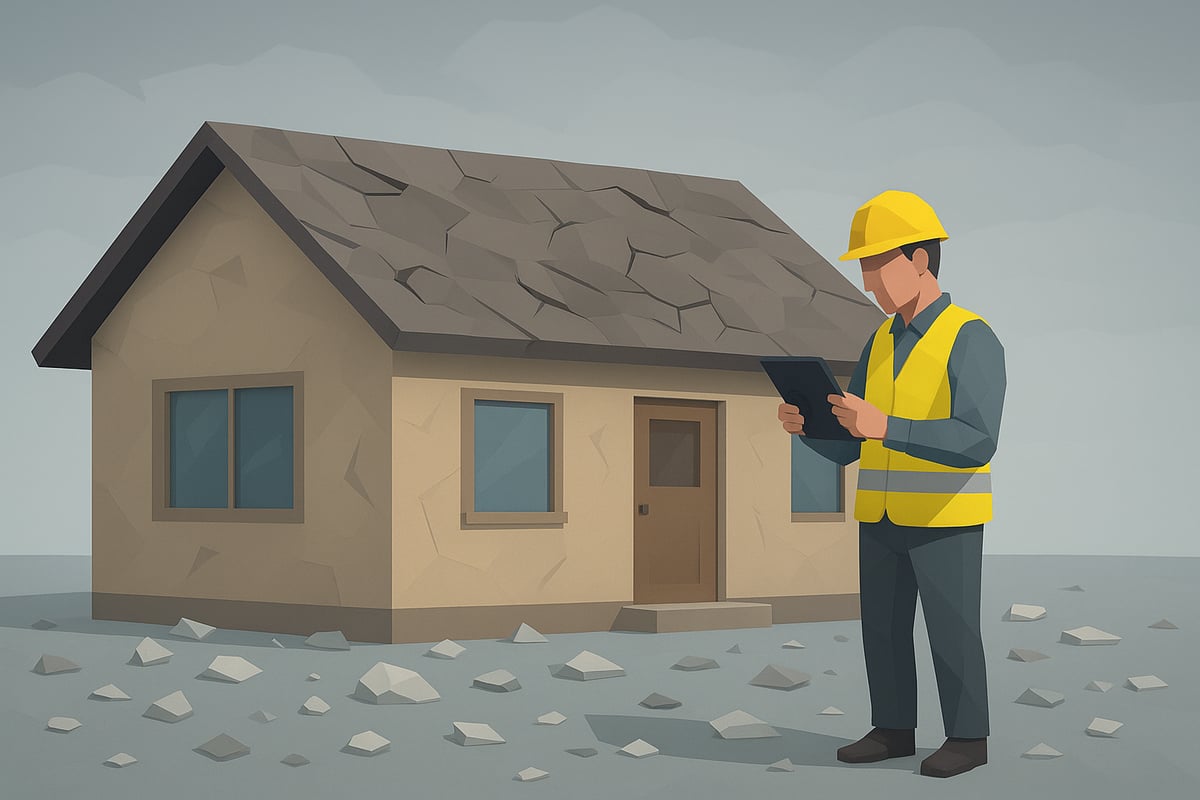
When hail hits, moving quickly and calmly makes the difference. Knowing how to find and assess hail damage to home surfaces protects your investment, speeds up repairs, and heads off long-term problems. Here is the approach Tulsa restoration crews use.
First steps after the storm passes
Safety comes first. Wait for the all-clear from local authorities before you go outside. Then put on sturdy shoes, gloves, and eye protection. There is usually sharp debris and broken glass.
Walk the property. Look for the obvious: broken windows, dented siding, downed branches. Photograph and video everything you find, including the roof, gutters, and vehicles. Be thorough, but stay off wet or unstable roofs. We handle that part.
If you see an active leak or an opening in the exterior, act fast. A temporary tarp or emergency patch keeps water out. For urgent situations, our guide on Emergency roof repair in Tulsa walks you through keeping the house dry until full repairs happen.
What hail damage looks like
Some signs jump out, others hide. Focus on these areas:
- Roof: Dented or bruised shingles, missing granules, cracked tiles
- Siding: Chips, punctures, or cracks in vinyl, wood, or metal panels
- Gutters and Downspouts: Dents, misalignment, or detached sections
- Windows and Skylights: Broken panes, torn screens, or seal failure
- Interior: Water stains on ceilings, walls, or around window frames
A helpful table for quick reference:
| Area | Visible Damage Signs |
|---|---|
| Roof | Dents, granule loss, cracks |
| Siding | Chips, holes, splits |
| Gutters | Dents, sagging, leaks |
| Windows | Broken glass, torn screens |
| Interior | Water stains, damp spots |
A small dent or a slow drip often points to something worse underneath. When you are not sure, document it.
When to call a pro instead of doing it yourself
Basic documentation and a ground-level look are fine on your own if the damage seems limited. But hail damage hides in places you cannot easily reach, like the attic or under a shingle tab. Missing it now means mold or structural decay later.
Professional inspectors use drones, moisture meters, and thermal cameras to find the hidden problems. Most insurance companies want a certified inspection report on larger claims. If you suspect an attic leak, wet insulation, or any water intrusion, call someone right away.
One Tulsa homeowner handled the inspection themselves, missed a slow attic leak, and ended up with $8,000 in mold remediation. When in doubt, bring in a local licensed professional so everything gets found and written down.
Documentation for insurance and repairs
Documentation is your strongest tool. Keep a log of the damage with dates, times, and exact locations. Save every photo, video, and note. Cloud storage keeps it organized and easy to send.
Hold onto repair receipts, inspection reports, and every message with contractors or your insurance agent. Use a simple checklist:
- Date and time of storm
- Photos and videos of exterior and interior
- Notes on roof, siding, windows, gutters
- Copies of professional inspection reports
- Receipts for emergency repairs or materials
Move fast. State Farm data shows claims filed within 72 hours have a 30% higher approval rate. Organized documentation gets your claim moving and gets you the support you are owed.
Assessing storm damage can feel like a lot. You do not have to do it alone. Schedule a free inspection with a local expert and go into the claim with facts in hand.
Filing an Insurance Claim for Hail Damage
When hail hits your house, the insurance side can feel like the harder problem. From what we see on Tulsa jobs, preparation and local knowledge make the difference. Understand your policy, document the damage, and work with people who do this every week.

Know what your policy covers
Read your policy before hail season, not after. Most policies cover hail damage to home structures, but the details decide what you get. Check your deductible, the amount you pay before coverage kicks in. In Oklahoma, deductibles usually run $1,000 to $5,000.
Some policies exclude cosmetic damage and pay only for structural repairs. Older roofs can carry a higher deductible or reduced coverage. Insurers are also looking harder at repeat claims and maintenance records. If your coverage is unclear, this Roof insurance claims guidance resource covers tips specific to our region.
Here's a real example: a Broken Arrow homeowner found out their 20-year-old roof carried a higher deductible, which cut their payout by $3,500. Keep a copy of your policy and document any upgrades you make.
Filing the claim, step by step
After a storm, call your insurer as soon as you spot damage. Take clear photos and video of everything affected: roof, siding, windows, interiors. That evidence carries your claim.
File the way your insurer prefers, by phone, app, or online portal. Send the photos, the video, and a written description of the damage. Get the adjuster on the calendar quickly. Then get written estimates from local licensed contractors so you have something to compare against the adjuster's numbers.
Keep a log of every conversation with names, dates, and the claim number. Most Oklahoma claims are processed in 7 to 21 days. Organized and prompt beats slow every time.
Working with the adjuster and your contractor
Be at the house when the adjuster shows up. Walk the property together and point out everything. Adjusters tend to focus on what is visible, so bring up the leaks, the attic moisture, and the things that are easy to miss.
Collect estimates from reputable local contractors and compare them to the adjuster's report. Skip anyone unlicensed and anyone pushing you to sign today. Licensed, bonded, and insured contractors make sure the repairs meet local code and your policy requirements.
One Tulsa homeowner got a 15% higher payout by handing over a detailed contractor estimate, which paid for a complete restoration instead of a partial one. Your contractor is your advocate through the claim.
Getting a fair settlement
If the first offer looks low, negotiate. Use local repair cost data and ask for a re-inspection. Know the difference between actual cash value, which is depreciated, and replacement cost coverage.
The usual mistakes are missing documentation, filing late, and accepting an incomplete settlement. Keep every receipt and inspection report. Claims filed within 72 hours have a 30% higher approval rate.
Here's a quick checklist for success:
| Step | Why It Matters |
|---|---|
| Prompt documentation | Faster, higher approval rates |
| Multiple estimates | Ensures fair compensation |
| Professional repairs | Maintains policy validity |
What Oklahoma insurers are doing in 2026
Carriers are adjusting to more frequent severe weather. Premiums are climbing, especially on homes with repeat hail claims. Many policies now require impact-resistant upgrades like Class 4 shingles at renewal.
Insurers are also partnering with certified local contractors to keep repair quality up. In 2025, denied claims rose 9% because of improper or incomplete repairs. Staying ahead with upgrades and documentation protects both the house and your wallet.
If you want to be ready for the next storm season, schedule a free inspection with a local expert. It is the first step toward having your insurer on your side when you need them.
Repairing and Restoring Your Home After Hail
When hail hits a house in Northeast Oklahoma, you need a clear plan. Restoration is more than popping out dents. It is about protecting your investment and keeping the property safe and worth something for years.
Picking the right repair
Start with anything structural. Roofs, siding, and windows take the brunt of hail. Materials matter. Class 4 impact-resistant shingles are the top choice, often cutting insurance premiums by up to 20 percent and carrying strong warranties. Metal roofing is the other option, proven against hail up to 2 inches in diameter.
Siding matters just as much. If your exterior got punctured or cracked, this siding repair and replacement cost guide lays out your options and helps you budget.
Here is a quick comparison to help you decide:
| Solution | Upfront Cost | Durability | Insurance Savings |
|---|---|---|---|
| Class 4 Shingles | Moderate | High | Up to 20 percent |
| Metal Roofing | High | Very High | Up to 25 percent |
| Standard Siding | Low | Moderate | Minimal |
| Impact-Resistant Siding | Moderate | High | Up to 10 percent |
Good materials pay for themselves. A Jenks homeowner who installed Class 4 shingles saw a 4 percent bump in property value after repairs. For more on how materials perform, the Impact-Resistant Roofing Materials Guide is worth reading.
Vetting a contractor
Contractors are not interchangeable, especially after a storm. Go local, go established, and go with someone who has real storm restoration experience. Plenty of people search for the **best hail damage restoration company in Tulsa** and then verify the license, the insurance, and local references. Online reviews and industry certifications tell you a lot.
Watch out for anyone who will not put an estimate in writing or who pressures you to sign on the spot. Established local contractors are transparent and stand behind the work. Homeowners here who hired vetted professionals had far fewer problems with both the repairs and the claim.
A trustworthy contractor should:
- Provide detailed, written estimates
- Show proof of insurance and licensing
- Offer references from recent, local projects
What the restoration process looks like
Restoring a house after hail takes a few stages. Moving quickly keeps leaks and mold out of the picture.
- Emergency Protection: Apply tarps or temporary weatherproofing to prevent water intrusion.
- Full Assessment: A professional inspection uncovers both visible and hidden damage, ensuring nothing is missed.
- Estimate and Planning: You receive a clear cost breakdown and timeline for repairs.
- Repairs Begin: Crews replace damaged roofing, siding, gutters, or windows with impact-resistant materials.
- Final Inspection and Documentation: Every repair is checked for quality, and documentation is provided for your records and insurance.
Follow that order and nothing gets skipped. Homeowners who worked this way saw faster claim approvals and avoided expensive delays.
Protecting the value you just restored
Once repairs wrap up, think about the next ten years. Upgrading to impact-resistant materials during restoration makes the house tougher for the next storm. Annual inspections and quick repairs keep those new installs going longer.
Register your warranties and keep your repair records. Those documents matter for future claims and they help at resale. A lot of Northeast Oklahoma homeowners use restoration as a chance to improve energy efficiency, cutting utility bills by up to 18 percent afterward.
An annual maintenance schedule and smart upgrades are your best defense against the next round of hail damage to home exteriors.
Paying for the work
Storm repairs are a real expense, but you have options. Reputable contractors offer flexible payment plans that make a large project manageable. Insurance support matters too. A good contractor argues your case so the settlement reflects local repair costs.
Look for programs that help seniors or low-income homeowners with funding or discounted services. Free estimates and clear pricing should be standard, not a favor. Recent data shows 65 percent of Tulsa homeowners used financing to cover major storm repairs so they could restore their homes without waiting.
If you are ready to get your property set for the next hailstorm, schedule a free inspection with a trusted local expert today. That one step puts you back in control.
Protecting your investment starts with a professional look at the roof. Get a free quote from Trifecta Roofing and Restoration and see your repair needs and costs upfront.
Future-Proofing Your Home Against Hailstorms
Northeast Oklahoma weather is shifting, and homeowners need to keep up. Future-proofing against hail damage to home exteriors is not about quick fixes. It is about building a house that shrugs off storms for years.
Adapting to changing storm patterns
Oklahoma weather is unpredictable, and storms have grown stronger and more frequent. The March 2025 tornado outbreak showed how fast conditions can turn dangerous. Forecasts point to more severe hail events in 2026, with larger stones and longer storm seasons.
That means paying attention to materials and design. Roof pitch, overhangs, and landscaping all affect how a house handles hail. Code updates in places like Bixby now set stricter standards for new builds, including impact-resistant roofing and reinforced siding.
Stay current with the recommendations and you cut your risk. For background on recent severe weather and preparedness, see the March 2025 Tornado Outbreak Report.
Upgrades that last
Long-term protection means choosing upgrades with a long life. Class 4 shingles and steel siding lead the list, and both can reduce insurance premiums by up to 20 percent. Reinforced windows resist breakage and keep water out during a storm. An annual inspection and maintenance schedule catches the small stuff before it grows.
Here's a quick comparison of popular upgrades:
| Upgrade | Hail Resistance | Insurance Savings | Expected Lifespan |
|---|---|---|---|
| Class 4 Shingles | High | Up to 20% | 30+ years |
| Steel Siding | Very High | Up to 15% | 40+ years |
| Reinforced Windows | High | Up to 10% | 20+ years |
For more on materials built for hail country, read this guide on Best Roofing Materials for Hail-Prone Areas.
Smart home technology helps too, sending real-time alerts and closing shutters on its own. These investments do more than prevent damage. They add value and comfort.
Community and local government resources
You are not facing hail alone. The City of Tulsa and other local governments run storm preparedness programs, including free workshops and emergency notification systems. Grants and rebates help offset the cost of impact-resistant upgrades, especially for seniors and low-income homeowners.
Regional emergency alerts give you warning when severe weather is coming. Community groups often organize spring cleanups to clear debris and trim overhanging branches. Joining in protects your neighbors and your own property.
These resources are a practical way to lower your odds of storm damage. Stay in touch with local agencies for new programs and safety updates.
Why professional guidance pays off
Expert help changes the outcome, both before and after a storm. Inspectors know where hidden leaks, wet insulation, and subtle roof bruising show up. They also make sure repairs meet current building codes and insurance requirements, which is what gets claims approved.
Licensed contractors use the right materials and methods for our weather. They stay in touch afterward with maintenance reminders and advice on upgrades. Working with a trusted local expert means honest recommendations instead of a sales pitch.
For extra reassurance, schedule a free inspection and find out where your house stands.
Key takeaways for Northeast Oklahoma homeowners
Preparation is the strongest defense. Upgrade to quality impact-resistant materials, keep a regular inspection schedule, and handle repairs promptly with accurate documentation. That combination protects your property value and keeps claims moving.
Lean on local professionals and take advantage of community resources. Stay proactive and your house is ready for the next storm and the seasons after it. Reach out and schedule your free inspection.
A solid roof is your best defense against Tulsa's storm seasons, and now you know the steps to protect against hail damage to home structures. Bad weather is stressful, and you do not have to face it alone. Quality repairs and upgrades protect your family's comfort and your home's value for years. When you are ready, contact us for roof replacement in Tulsa. Trifecta Roofing and Restoration will make sure you are ready for whatever 2026 brings, and you will have real peace of mind going into hail season.