
Revitalize Your Tulsa Home: Guide to Wash the Exterior of Your Home
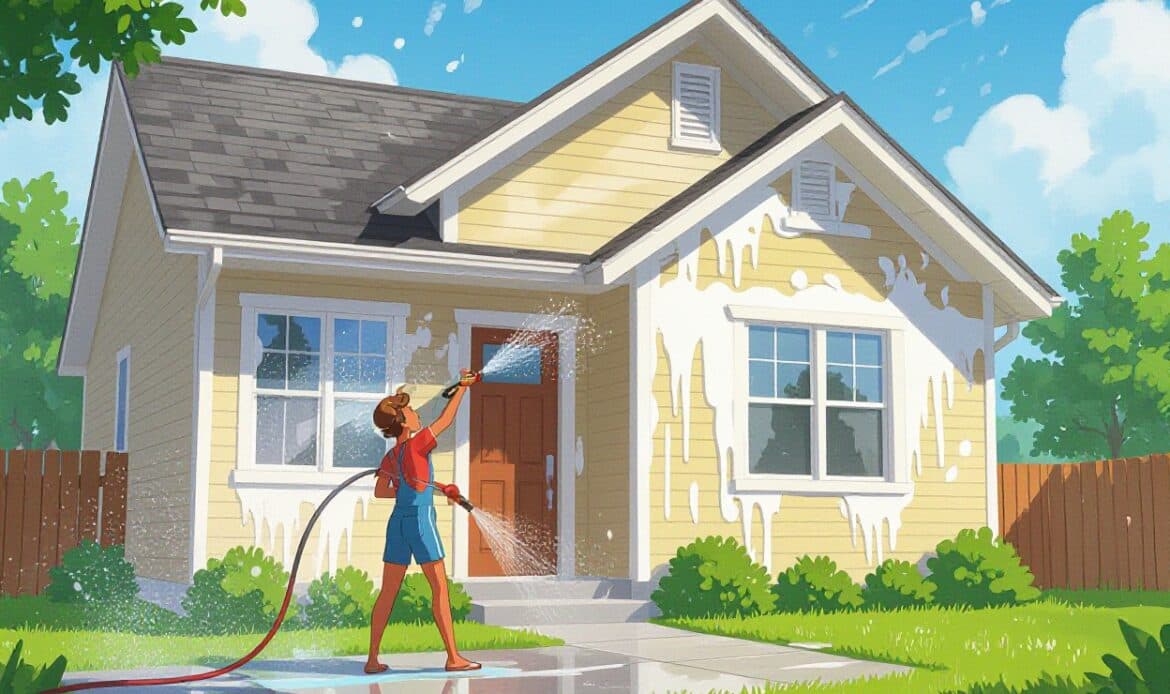
More homeowners are switching from power washing to soft washing so they do not pay for repairs they caused themselves. Stripping paint off your house to get rid of grime is a bad trade. If you are getting ready to wash the exterior of your home, stop for a second. High pressure can force water behind your siding, growing mold where you cannot see it. Done right, cleaning is simple, and regular cleaning instantly boosts your curb appeal. Here is what you need to know before you pull out the hose.
Why Washing the Outside of Your House Matters
You may wonder whether scrubbing your siding is worth the time or the money. It looks like a cosmetic chore, but ignoring grime does more than change how your house looks. In Tulsa, leaving layers of dirt, red clay, and organic material on your walls invites lasting damage to your property.
Our seasonal swings, from hot summers to freezing winters, lock those contaminants against your exterior materials. Let biological matter sit for several seasons and you have a degrading house, not just a dirty one. Washing is not about appearance alone. It stops the slow decay of the materials that keep you dry.
Improving Curb Appeal
A clean exterior shows you care and it lifts the look of the whole property. That is not just a good feeling. If you plan to sell, a clean exterior can significantly increase market value, because buyers assume a clean house is a well-maintained one.
Oklahoma red clay stains fast. Leave it on light siding or brick and it can permanently discolor the surface, leaving an orange tint that is nearly impossible to fix. Clearing that off, along with the yellow pollen film that coats everything in spring, keeps your home looking fresh instead of neglected.
Protecting Your Investment
That green growth on your shady north wall is doing damage. In our humid climate, mold and mildew thrive on dirty surfaces, and these organisms can rapidly deteriorate siding materials like vinyl and wood. Left alone, you end up replacing materials years earlier than you should have.
The problem can move indoors too. When mold spores colonize the exterior, they can travel in through vents and cracks, which can negatively affect your indoor air quality. Washing on a regular schedule stops that at the source and keeps the air inside safer for your family.
Think of washing as cheap insurance for the structure. Brick or stucco, routine cleaning removes the grit and grime that wears down the finish and the integrity of the walls. Stay on top of it and you extend the lifespan of your exterior materials, which saves you from expensive repair bills later.
Different Materials Need Different Cleaning Methods
Vinyl siding accounts for roughly 32% of new single-family homes, and treating it the way you treat concrete or stone will cause damage. This is not only about blasting dirt off. What works on one wall can ruin another. If you have scrolled through forums like Exterior house cleaning tips? : r/CleaningTips wondering why a method failed, you are not alone. Match the method to the material and you avoid a big repair bill.
How the water is delivered matters more than the detergent. The wrong pressure setting can void warranties or strip protective coatings off your siding. Before you connect the hose, know what your house is made of.
Vinyl, Brick, and Beyond
Vinyl is durable, but high pressure can push water behind the panels and grow mold where you cannot see it. A simple mix of laundry detergent or a specialized vinyl cleaner handles general grime. For caked-on dirt, use a soft-bristle brush and soapy water. If you use a pressure washer, keep it between 1,300 and 1,900 PSI.
Brick is a different animal. The bricks are hard, the mortar is not. Blasting old mortar with high pressure destroys your home's waterproofing. Use a garden hose and a dedicated masonry cleaner to lift dirt gently. For stubborn Oklahoma red clay, you may need a cleaner formulated for rust or clay removal so you do not smear the stain around.
Special Care for Wood and Stucco
Stucco is popular, porous, and does not handle stress well. Never pressure wash stucco. The velocity can break off pieces or drive water deep into the substrate, which leads to cracking. Use a pump sprayer with a non-acidic cleaner that lifts dirt chemically instead. It takes longer and it prevents expensive patch jobs.
Wood siding adds character and demands maintenance. Water is wood's natural enemy, so soaking it at high pressure invites rot and warping. Use a wood-specific cleaner applied at low pressure, then let it dry completely. Paint or seal it while it is damp and you trap moisture inside, which rots the siding from the inside out.
Specialized cleaners for these materials are formulated to be safe. An acidic cleaner on stucco can dissolve the lime in the mix and weaken the wall over time. Test a small hidden area first. Waiting twenty minutes to check for discoloration beats staring at a stained wall for the next ten years.
When to Use Pressure and When to Back Off
Shopping for a pressure washer, it is tempting to think more power means a deeper clean. That is not true for vinyl or aged brick. Before you rent or buy a machine, understand how to properly pressure wash home exterior surfaces so you do not cause damage. A guide like How to Pressure Wash a House covers the basics.
Match the power to the surface. A machine pumping 3,000 PSI is perfect for an oil stain on a concrete driveway and destructive on soft wood or vinyl siding. For the house itself, stay in the 1,300 to 1,900 PSI range.
The Benefits of Pressure Washing
A garden hose often will not touch the grime that builds up in our humid Tulsa climate, especially on north-facing walls that never see sun. Pressure washing works on built-up mildew and algae that have been there for years. It can turn a gray, sad-looking concrete patio around in an afternoon.
It is not only cosmetic. A medium setting around 2,000 to 2,800 PSI is great for unpainted brick and concrete driveways. It strips off the slick layer of green slime that gets dangerous when wet. Just stay away from the delicate spots.
Avoiding Damage to Your Home
High-pressure water tears up old mortar. One of the biggest mistakes homeowners make is forcing water up under siding, which traps moisture inside the walls and leads to hidden rot. Too much pressure strips paint from wood and etches soft brick, leaving permanent marks.
Keep high pressure off stucco and window seals. Hit a window seal with a high-pressure stream and you can break it, which leaves you with foggy glass and an expensive replacement. Stucco is delicate, and too much pressure cracks it or knocks chunks loose.
On an older home, traditional pressure washing often does more harm than good. For historic houses or any home with deteriorating mortar joints, the risk is not worth it. Skip high PSI on those structures entirely. Once water gets behind the facade, you have mold and structural problems that are hard to undo.
What Is Soft Washing?
How It Works
People assume soft washing is just a lower setting on a pressure washer. It is chemistry more than force. Instead of blasting grime with high PSI, you use a specialized blend of surfactants and bleach that kills organic growth at the root. The chemicals do the work so the water does not have to.
The application is gentle. You put the solution on with a low-pressure system, usually under 100 PSI, which is about the force of a garden hose. Then you let it dwell for 10 to 15 minutes. In that time the solution breaks down the molecular bond of dirt and algae, turning thick green growth into something that rinses right off.
When to Choose This Method
Choose soft washing when your home has materials that damage easily. Stucco, Dryvit, and older wood siding are prime candidates, because high pressure can force water behind the substrate and cause rot you will not find until it is too late. It is also the only safe option for asphalt shingle roofs, where high pressure strips away the protective granules and shortens the roof's life.
Soft washing also wins when you are fighting living organisms. Green algae, black streaks, or moss on north-facing walls will come back, because pressure washing usually removes the top layer and leaves the root system. If you are looking for the best soft wash exterior home cleaning in Jenks, know that soft washing relies on chemical agents. The process sanitizes the surface and kills the spores, so the growth stays gone much longer.
Think about how often you want to do this. Because this method kills the bacteria and fungus causing the stains, results typically last four to six times longer than a standard pressure wash. You spend more time mixing solutions and you are not back out there in three months when the algae returns.
Tools of the Trade: What You Need
Must-Have Tools for DIY Cleaning
Your setup does not need to be complicated, but it does need to match your home's materials. Start with a standard garden hose and a good adjustable nozzle. For the hard-to-reach spots on a typical Tulsa home, a telescoping extension wand that reaches up to 12 feet is very useful, because it keeps you on the ground.
Add a soft-bristled brush with a long handle. Water pressure alone rarely removes the sticky pollen film that covers Oklahoma homes in spring. Stiff brushes are fine on concrete and they will scratch vinyl or strip paint off wood siding. Specialized gutter cleaning attachments and screen brushes are worth the investment and save you a lot of manual scrubbing.
Safety First, Always
Water, height, and slick surfaces add up to accidents. Wear non-slip footwear. Flip-flops or old sneakers are not safe on wet concrete or grass. Protective eyewear is required so chemical splashback or dislodged debris does not reach your eyes. If you are using chemicals, wear chemical-resistant gloves.
If you use a ladder, make it a sturdy extension ladder with proper stabilizers so it cannot slide. Keep three points of contact at all times.
Never overreach while on a ladder.
Climbing down to move it is tedious. It also prevents falls.
Skip cleaning on days when wind gusts top 15 mph or thunderstorms are in the forecast. High wind blows chemicals back at you and destabilizes your ladder. If the height of your home worries you, or the access points are awkward, invest in a water-fed pole system that can reach up to 30 feet. You do the job from the ground.
Seasonal Routine: When Is the Best Time?
In Tulsa, timing matters because the weather turns fast. You do not want to clean with a freeze coming, and waiting too long lets grime bake into the siding. Aim for spring or fall when temperatures are moderate.
Washing at the right time is easier on you and safer for the house. Clean when humidity is lower and your house dries faster, which cuts down on new mildew. Good timing also means you are not fighting falling pollen or leaves that will litter your work area by the next day.
Spring, Summer, Fall, and Winter Tips
Oklahoma weather is unpredictable, so plan for each season. Spring cleaning in late March or early April is common, but wait until the last freeze has passed so you are not icing over your siding. Fall matters because you are prepping for winter by clearing accumulated organic debris that traps moisture against your walls.
Here is the short version:
- Spring cleaning in late March removes the yellow pollen film before the sun bakes it on.
- Summer maintenance involves spot-cleaning mildew that appears in high humidity.
- Fall is the best time to clear debris to prevent moisture retention during freezing months.
- Winter spot-checks ensure gutters are not clogged, keeping water flowing away from your foundation.
Noticing small changes in your exterior through the seasons is how you catch problems before they get expensive.
Do Not Skip the Pre-Cleaning Check
Before you turn on the water, walk the house and look it over. Hit a loose piece of siding with a pressure washer and you are not cleaning it, you are ripping it off.
Look for anything worn or broken. Check the window and door seals. If they are deteriorating, you can shoot water straight into your walls. Look at the foundation for cracks that point to drainage issues. Adding water to an area that already drains poorly is a bad idea.
Make sure your gutters and downspouts are secure. Loose ones can get knocked off by the force of the wash. A few minutes of inspection protects your home from potential damage that costs more to fix than hiring a professional would have.
Is It Time to Call the Pros?
You look up at mildew on your second-story eaves and wonder if your ladder is steady enough. Washing a single-story vinyl home is a reasonable DIY project, but cleaning multi-story buildings or historic properties involves safety risks that are usually not worth taking. If you are dealing with stucco, intricate brickwork on an older Tulsa home, or red clay stains that have set in deep, hiring an expert is the smart call. Professionals know which chemicals remove algae and grime without killing your landscaping or damaging your masonry.
Service Cost vs. Potential Repairs
Count the hidden cost of mistakes. You save money doing it yourself, then weigh that against replacing a window seal you blew out or repainting a wall you damaged. Professional exterior cleaning services have the insurance and expertise to safely restore your home's appearance without risking structural damage. If you are not confident you can clean a surface without forcing water behind the siding or stripping the finish, make the call. Your home is a significant investment, and protecting it from accidental damage is worth the cost. When you decide it is time to let someone else wash the exterior of your home, Trifecta Roofing and Restoration provides safe and effective exterior cleaning services. Contact us today for a free quote.
FAQ
Is it necessary to wash the outside of my house?
Yes. A clean exterior looks better, but washing is maintenance first. That green film is usually mold or mildew, and together with dirt and clay it damages your paint and building materials. Over time those contaminants break down the structure of your siding and lead to expensive repairs. Regular washing protects your investment and stops the slow-motion destruction. A clean exterior also tells buyers the house is well-maintained, which can raise its value.
Can I use a high-powered pressure washer on everything?
No. Too much pressure is the most common mistake and it causes damage. High pressure forces water behind your siding and soaks the insulation and wood framing, which leads to hidden rot and mold inside the walls. Adjust to the material. Concrete can take higher pressure. For vinyl siding or painted wood, stay between 1,300 and 1,900 PSI. For stucco, keep high-pressure wands off it entirely. Soft washing is often the better method, using low pressure with specialized cleaners to break down dirt and algae chemically.
How do I handle different materials like brick versus vinyl siding?
You cannot treat every wall the same. Vinyl is durable and cleans up with a soapy wash and a good rinse, but do not spray upward and drive water under the panels. Brick needs a gentler approach because the mortar is soft. Use a garden hose and a mild cleaner to lift dirt without chewing up the joints. On older brick, be even more careful, since the mortar may already be weak. Knowing your home's materials is the key to cleaning it safely. Wood needs specific cleaners and careful drying to prevent rot, and stucco should only be hand-washed or rinsed gently.
When is the best time of year to clean my home's exterior in Oklahoma?
Our unpredictable weather makes timing important. Late spring, after heavy pollen season ends, is a popular window. Wash too early and your house is yellow again within a week. Fall is also excellent for a deep clean. Clear all the organic debris before winter, because trapped moisture freezes, expands, and cracks surfaces. Cleaning in late October is smart prevention. Summer is good for spot-cleaning mildew, which loves humidity and shows up first on the shady side of the house.
Should I do this myself or call a professional?
You can clean a single-story ranch house with a garden hose and a good cleaning solution. It saves money and it is a satisfying project. The risk climbs with two-story homes and steep roofs. Working a ladder with a hose on slippery ground is dangerous. If you have hard-to-reach areas, hire someone with the right extension wands and safety gear. Professionals also have stronger cleaning agents and can clean tall structures from the ground. On delicate surfaces like historic brick or stucco, letting an expert handle it prevents damage to your home and injury to you.