Unlocking Roof Efficiency: Your Ultimate Guide to Ridge Vents for Roofs
Most homeowners never look at the narrow slot running along the roof peak until the attic feels like a sauna. It does not clean itself. When leaves or storm debris choke the airflow, you get mold growth and rot in the wood. Keeping a ridge vent for roofs clear is one of the cheapest ways to lower energy bills and prevent ice dams. Clearing a clogged vent is easier than you think, and your roof needs the fresh air.
What Are Ridge Vents?
If your attic feels like an oven on a mild day, your roof is not breathing. Your roof is a system, and ridge vents are the exhaust point. They sit at the peak so hot, stale air can escape and your AC does not have to fight it.
These systems cover a slot cut into the roof deck, usually two to three inches wide, running the entire length of the ridge. Without that opening, superheated air, often 150 degrees in summer, gets trapped. It bakes your shingles from the bottom up and can warp the wood sheathing over time. A working attic ventilation ridge vent system matters for the whole house.
Types of Ridge Vents
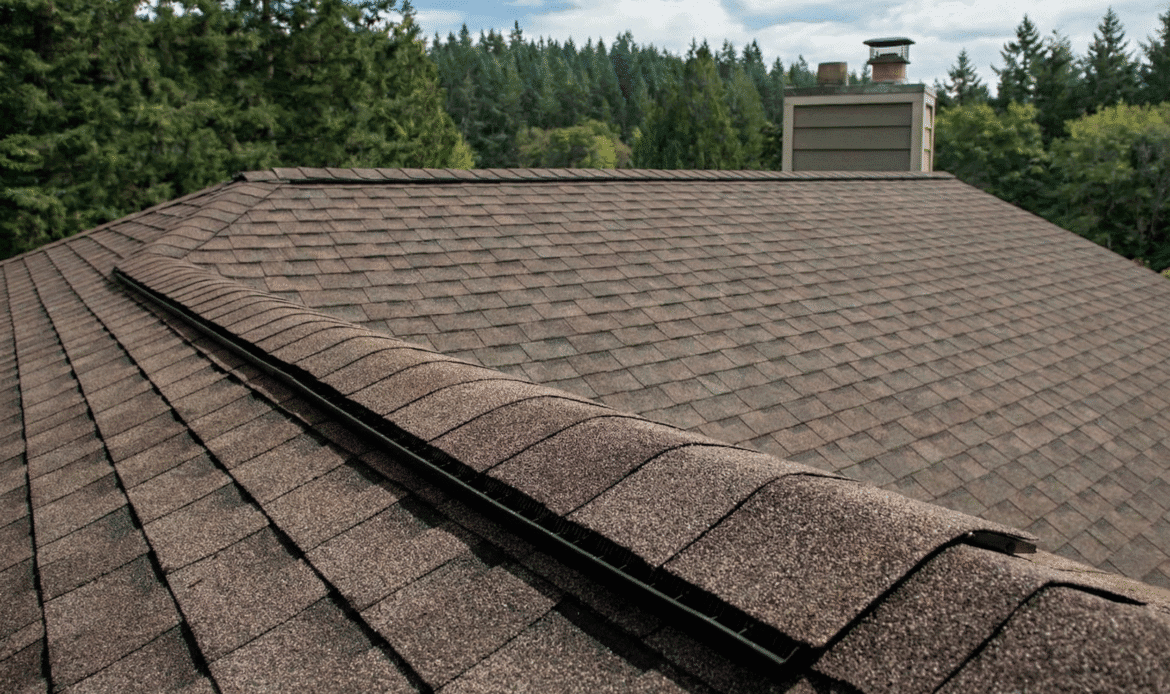
There are two main categories. Shingle-over vents are popular because they blend into the roofline. They use a plastic or corrugated material covered by matching ridge cap shingles. They need an internal filter to keep bugs and blowing snow out.
Aluminum or metal ridge vents look more industrial and are very durable. They usually have a mushroom shape and are not covered by shingles, so you see them. They are often cheaper and easier to install, but heavy hail can dent them.
- Shingle-over vents look best because they hide under roofing material.
- Aluminum ridge vents are durable but stand out visually.
- Internal weather filters stop wind-driven rain from getting into the attic.
- Baffle systems deflect wind to create better suction.
Pick the wrong type for your climate and you can end up with water infiltration during heavy storms.
| Feature | Impact on Your Home |
|---|---|
| External Baffles | Deflects wind over the vent to create suction that pulls air out faster. |
| Weather Filter | Stops wind-driven rain and fine snow from entering the attic space. |
| Net Free Area (NFA) | Determines how much ventilation space you get per foot of vent. |
| Continuous Design | Provides uniform airflow along the entire roof deck instead of creating hot spots. |
| End Caps | Seals the ends of the vent run to prevent birds and rodents from nesting. |
How They Work
It is simple physics. Hot air is lighter than cold air and rises. As the sun heats your roof, the air in the attic warms, expands and pushes toward the highest point. The ridge vent gives that pressure a release valve, with no fan or motor.
There is a second half to the equation. For hot air to leave, cool air has to enter somewhere else, usually through intake vents under your eaves. If those lower vents are blocked by insulation or paint, the ridge vent cannot do its job and the air sits still.
Wind helps too. When it hits the roof and rolls over the ridge, it creates low pressure right on top of the vent. That Bernoulli effect vacuums moisture and heat out much faster than thermal buoyancy alone.
Tips for Choosing the Right Ridge Vent
Picking a ventilation system is a technical choice. You cannot slap any vent on the peak and expect results. If the net free area does not match your intake vents, the system fails. You want a product that balances airflow with weather protection. As you compare options, keep these in mind:
- Look for an external wind baffle design to deflect rain.
- Verify the airflow rating per linear foot matches your attic size.
- Make sure the material has UV resistance so it does not crack.
How those pieces work with your roof geometry is what makes the system last.
Factors That Matter
Metal is not automatically better than plastic. Modern shingle-over vents made from high-grade polymers blend in better and hold up to hail. The real choice is between looks and durability. Do you want the clean look of a hidden vent or the industrial function of aluminum ridge vents? The internal filter matters too. Some use mesh to keep bugs out, others rely on internal baffles. Scrubbing clogged mesh is no fun.
- The width of the mounting flange needs to cover your ridge gap.
- The filter material has to stop pine needles and insects.
- The vent has to be compatible with your roof pitch.
That combination decides whether your attic breathes or suffocates.
Pros and Cons of Different Options
Choosing between a shingle-over vent and a standard aluminum one comes down to priorities. With a shingle-over vent you are paying for curb appeal, since it hides under your roof caps. Exposed metal vents focus on utility and often move more air. Be careful with cheap plastic roll-out versions. They compress over time and block the airflow you paid for.
Comparison of Common Ridge Vent Features
| Vent Type/Feature | The Real Deal (Pros/Cons) |
|---|---|
| Shingle-Over Vents | Blends perfectly but requires matching cap shingles |
| Aluminum Vents | Extremely durable but stands out visually |
| Filtered Vents | Stops bugs well but clogs easily with dust |
| Baffled Designs | Superior wind deflection but costs more upfront |
| Roll-Out Vents | Easy to install but prone to compression issues |
| Rigid Plastic Sections | Great structure but harder to cut to size |
| Corrugated Vents | Cheap option but offers poor weather protection |
| 12-Inch Width | Standard coverage but might not fit wide ridge gaps |
| Class A Fire Rating | Safer for wildfires but limits material choices |
There is no single perfect answer for every home. If you have heavy pine trees around the house, skip the mesh filter unless you plan to clean it every six months. Balance cost against how long the product lasts. Saving fifty dollars now is not worth replacing the whole system in five years when the plastic cracks.
A Step-by-Step Guide to Cleaning Your Ridge Vent
Falls are the leading cause of death in construction. Before you touch a ladder, be honest about whether you can handle the height and pitch of your roof. Once you are up there safely, the goal is to clear the airflow without damaging the shingles or the vent.
Blasting everything with a hose is tempting, and it is a good way to force water where it does not belong. Look at the situation first so a simple cleaning does not turn into a repair bill.
Quick Safety and Prep Breakdown
| Do This Before Climbing | Avoid These Risks |
|---|---|
| Check that your ladder extends 3 feet past the roof edge | Never work on a roof that is wet or covered in morning dew |
| Wear rubber-soled shoes for maximum traction | Do not clean during peak sun hours when shingles are hot and soft |
| Have a spotter on the ground to secure the ladder | Avoid using metal tools that can tear the vent screens |
Tools You'll Need
You do not need hundreds of dollars of gear. A soft-bristled brush, like one for washing a car, works best, because stiff wire brushes strip the protective granules off your shingles. Grab a plastic putty knife for stubborn clumps of wet leaves.
For debris removal, a small handheld vacuum or a leaf blower on a low setting saves time. Whatever you carry up should be lightweight and secured to your belt. A dropped tool can break a window or hurt whoever is below, so keep everything tethered.
Effective Cleaning Tips
Start by clearing the area around the vent by hand. If you start scrubbing right away, you push more muck into the slots. Once the heavy debris is gone, use the brush to gently work the dirt out of the vent openings. Go in small sections so you do not miss anything.
- Use a plastic scraper only for hardened sap or tar, never for general debris.
- Keep your cleaning strokes parallel to the vent slots so you do not jam dirt inside.
- Look for loose nails or lifted shingles while you are up there.
Hard scrubbing can damage the internal baffle, so be gentle.
Leave the pressure washer in the garage. A garden hose with the sprayer on a gentle shower is all you need to rinse dust away. Point the nozzle down the roof slope, never up under the vent. You are mimicking rainfall, not a hurricane.
- Spray at a downward angle so water does not enter the attic.
- Use a mild detergent mixed with water on mold or mildew spots.
- Check the soffit vents afterward in case debris washed down and clogged them.
Water forced under the shingles causes rot, so always spray downward.
How to Spot Problems Early
A clogged exhaust vent means your house cannot breathe. The signs are subtle until the damage is done. Heat and moisture rot decking from the inside out where you cannot see it. Catching it early saves you a big bill later.
Signs Your Ridge Vent Needs Attention
A cracked vent is obvious, but the best clues are indoors. On a sunny afternoon, go into the attic. Does it feel like an oven? If it is more than 10 to 15 degrees hotter than the outside air, the ridge vent is likely blocked.
Winter tells a different story. Take a flashlight and look at the nails poking through the roof deck. Rusty nails or ice on the tips mean condensation has nowhere to go. Rusty nails and dark streaks on the plywood mean moist air is trapped up there. Fix the airflow or you will be dealing with mold.
Common Clogs and How to Avoid Them
Pine needles are usually the culprit. They weave into a waterproof mat and seal the vent's mesh or baffles completely.
Sometimes the roof itself is the problem. As shingles age they shed protective granules. Wind pushes those granules toward the peak, where they settle into the vent slots. If you see colored sand building up in your gutters, it is packed in your ridge vent too.
And sometimes the clog is man-made. A lazy contractor paints over the vent slots during a roof painting or sealing job. A painted-shut vent does nothing and turns your attic into a sealed box. You will have to scrape it clean or replace the section to get airflow back.
Is Professional Help Worth It?
You may figure a ladder and an afternoon will handle it. Climbing on a roof is risky, and hiring a pro often costs less than an emergency room visit. A contractor brings safety and a thorough eye, and carries liability insurance that protects your property.
Trained eyes catch what you would miss. A roofer checks structural integrity, hidden moisture damage and loose fasteners. You might save money doing it yourself today, but professional maintenance catches problems before they turn into repairs. Homeowners around here often ask about the low profile ridge vent installation cost in Bixby, and a pro can give an accurate quote after looking at these factors.
When to Call Experts
If your roof has a steep pitch or the house is more than one story, stay on the ground and call someone. Risk of falling goes up with height and slope. Steep roofs need harnesses and roof jacks. Wet or icy conditions make asphalt shingles slick, and that is when people get hurt.
Call as well if you see physical damage to the vent system, like cracked covers or warped sections. That system is compromised. Structural damage to ridge vents needs a professional assessment and repair. Mold in the attic or water stains on the ceiling point to a deeper ventilation failure that cleaning will not fix.
What to Expect from Professional Maintenance
A crew shows up with heavy-duty gear, including high-powered compressed air that blows out blockages without damaging shingles. They inspect the entire ridge line. Experienced contractors can also spot hazardous materials you should not be touching.
The work is systematic. They pull bulk debris by hand first, then move to fine cleaning with soft brushes and vacuums. You are paying for a full diagnostic check and the peace of mind that goes with it. They verify airflow has been restored and check the surrounding shingles and flashing.
You also get documentation. Reputable companies provide photos or a detailed report showing what they cleared and the condition of your vents, which helps with insurance or when you sell the house. If they find other issues, they can often handle them on the same visit, popping nails back down or sealing a minor leak.
Why Regular Maintenance Is Key
More homeowners are treating their house with preventative care. Ignore the ridge vent and you get a domino effect of expensive repairs. Staying ahead of your roof's ventilation is how you avoid ice dams and a roof that ages early.
It is easy to forget what is happening at the peak, but making ridge vent maintenance a habit keeps the whole system working. Small blockages compound fast. Staying ahead of debris protects the structure and keeps your house comfortable year-round.
Benefits of a Healthy Ridge Vent
Clear vents let hot air escape on its own. That takes load off your air conditioner in summer and helps lower energy bills. You can read more about the benefits of roof ridge vents, including how steady airflow prevents the moisture buildup that rots wood and ruins insulation.
Beyond the monthly savings, a clean ridge vent extends the life of your roofing materials by keeping surface temperatures in check. Asphalt shingles bake from the inside out when the attic gets too hot, and they curl and crack early. Good airflow gets you the full value of your roof.
How It Protects Your Home
Moisture is a silent killer, and a blocked vent invites it in. With no exit for humid air, condensation forms on the underside of the roof decking and drips onto your ceiling. That damp environment grows mold, which is a health concern and an expensive cleanup.
Winter raises the stakes. Warm air trapped in the attic melts snow unevenly. The water runs down to the cold eaves and refreezes into ice dams that tear off gutters and push water under shingles. Regular cleaning stops that cycle before you see stains on your ceilings and walls.
The goal is a balanced attic. When the ridge vent works, it pulls air from the soffits and pushes it out the top. Attic temperature stays close to outside temperature, heat does not build up, and your living space is more comfortable.
Final Words
Everyone talks about energy efficiency, and the ridge vent gets left out of the conversation. You can upgrade the thermostat and add insulation, but if the roof is blocked, you are throwing money at the problem. Moving air is the difference between a healthy roof and a moisture-filled repair bill.
Your roof needs to breathe, and a ridge vent for roofs is not something to stress over. Step outside with binoculars now and then and look at the peak for debris. A little attention goes a long way, and it keeps your house comfortable without your HVAC running overtime. If you would rather have someone look at it for you, every job at Trifecta Roofing and Restoration starts with a free inspection.
FAQ
Do ridge vents get dirty enough to stop working?
Yes. A ridge vent acts like a vacuum filter. It pulls air out of the attic, and that air carries dust, pollen and light debris into the mesh or baffles. Over time it forms a dense mat that rain will not wash away. Once that layer is there, it catches bigger items like wet leaves and pine needles. They get filthy, and they can block your attic's airflow completely.
How can I tell if they are clogged without climbing onto the roof?
Your nose usually notices first. If your attic or upper floor smells musty or damp, the air is not cycling out. Then check the temperature difference. On a hot day, if upstairs feels like a sauna compared to downstairs, the hot air has nowhere to go. Condensation on windows or water stains on the ceiling also point to trapped moisture from a blocked vent.
Can I use a pressure washer to clean the vents?
No. A power washer tears up asphalt shingles and has no business on your roof. High-pressure water forces liquid through the vent slots and soaks your attic insulation. You can also damage the vent covers or strip granules off the shingles around them. Be gentle. Your hands or a soft brush is usually enough. If you need more, a leaf blower moves dry debris without adding water where it does not belong.
What causes blockages besides leaves?
The roof itself. As shingles age they shed granules that feel like sandpaper. Those heavy granules catch in the vent's filter material and mix with dust and sap into a sludge like concrete. That is much harder to clean than loose leaves. Bird nests are the other problem. Birds like the warmth escaping the vent in winter and build nests that block the airflow.
When should I absolutely not try to clean this myself?
If you have to ask whether it is safe, it is not. A steep pitch or a two-story home is not worth the risk. Stay on the ground if it is wet, icy or windy. Structural damage is another red flag. A cracked or warped vent, or nails popping up, is a repair job, not a cleaning job. Do not turn a small problem into a big one.
Protect your home with proper ventilation. Contact Trifecta Roofing and Restoration for a free, honest look at what your roof needs. Request your free quote today.