Avoid These Common Mistakes When Calculating Your Roof Repair Cost in Tulsa
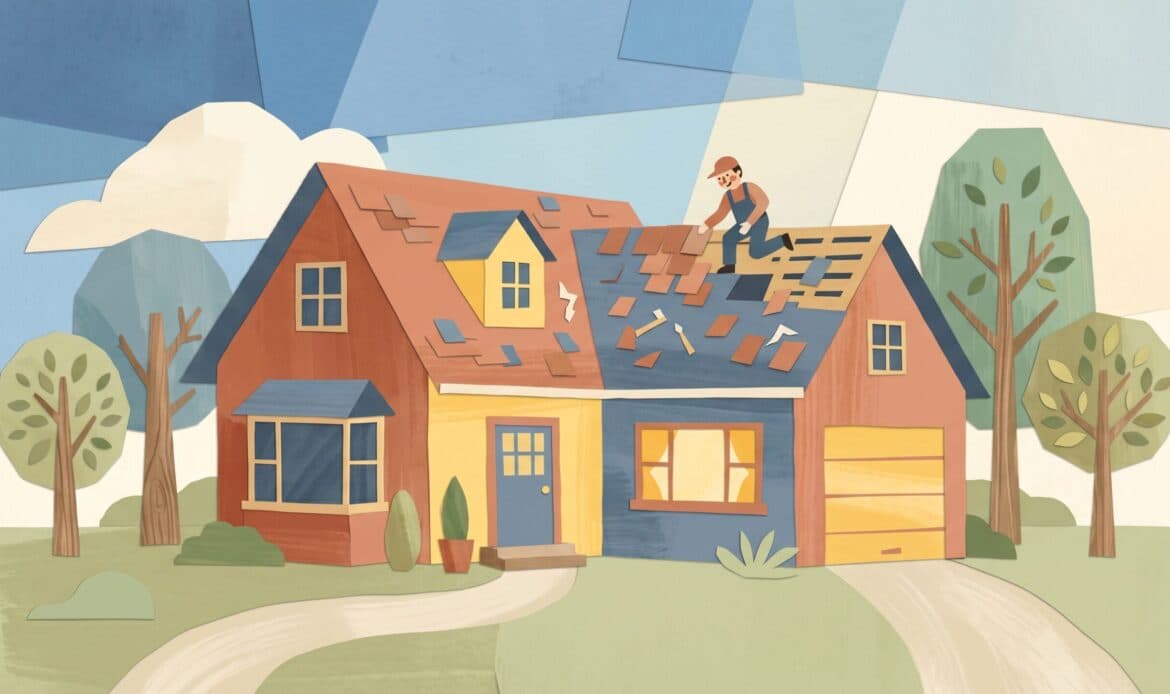
We have watched a lot of homeowners get surprised by the final bill. Most people start by searching online for a general number, and a quick estimate rarely tells the whole story. What looks like a straightforward repair can get complicated fast. Plenty of hidden factors move the price. That is not contractors being tricky. That is the nature of roofing work. A small leak often hides a bigger problem underneath. Knowing about those issues before you start is how you build a realistic budget for your roof repair cost in Tulsa and skip the stress later.
Five Mistakes People Make Figuring Roof Repair Cost
When you first think about the price, you probably think about shingles and labor. That makes sense. But several other costs get left out, and those oversights turn a manageable budget into a headache. We see it all the time. A homeowner gets a quote that seems too good to be true, and it is, because the estimate skipped a few line items. Here are the mistakes we run into most.
1. Ignoring Rotted Decking Replacement
The biggest unknown on any roofing project is the condition of the decking. That is the wood foundation under your shingles. From the ground the roof can look fine. But a long-term leak rots the decking until it is soft and spongy. You cannot nail new shingles to a weak base. We only find that damage after the old roofing comes off. Replacing rotted decking costs extra in both material and labor. Assuming your decking is solid is a mistake, especially on an older roof.
2. Overlooking Dumpster Rental Fees
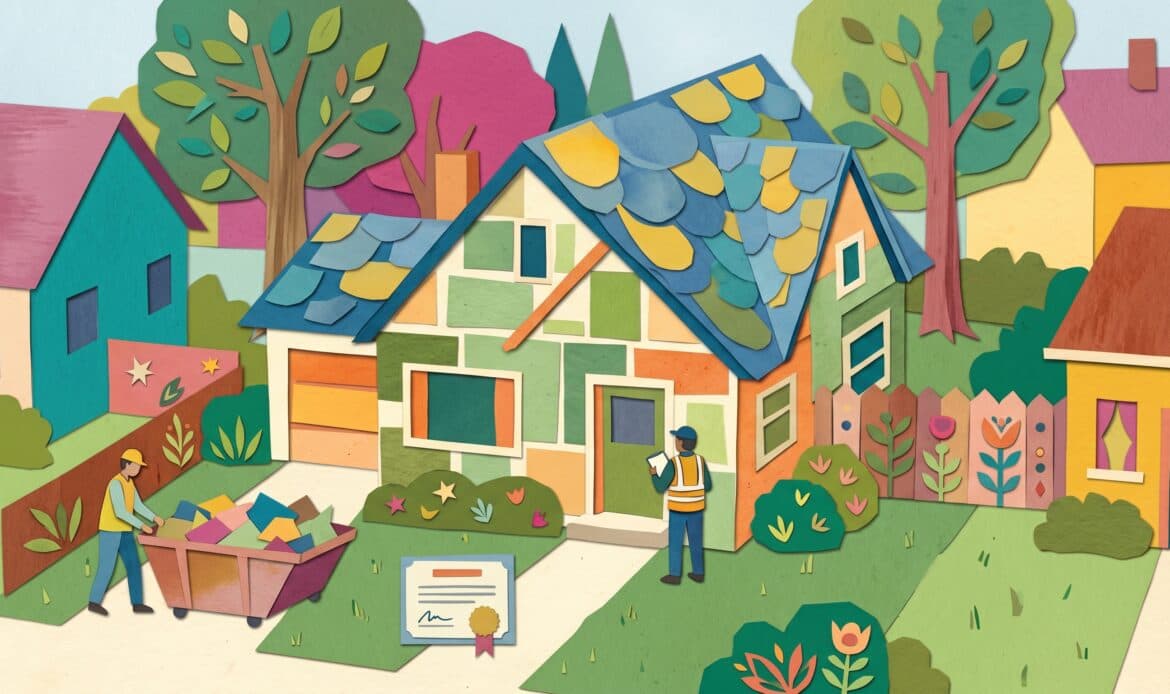
Hauling off the old roof is a real job. Old shingles, felt paper, and rotted wood are heavy and messy, and they have to go somewhere. That means a large dumpster sitting on your property. Renting it and hauling the debris away is part of the project. Some contractors fold it into the quote. Others list it separately. Ask whether disposal is included. Miss it and you can add several hundred dollars to the final bill. There is no way around this part of the job.
3. Forgetting Tulsa Inspection Permits
In Tulsa, most significant roofing work requires a permit from the city. That keeps the job in line with local building codes for safety and quality. A permit has a fee, and it means the work gets inspected. The small cost upfront protects you, because it verifies the work was done right. Some people skip this step to save money. That is a big risk. It can mean fines and trouble when you go to sell the house. Make sure your contractor pulls the proper permits.
4. Misjudging Roof Pitch Multipliers
The steepness of your roof, its pitch, changes the price directly. A flat or gently sloped roof is easier and safer to work on, and crews move quickly. A very steep roof is a different animal. It takes more safety equipment, like harnesses and roof jacks. The work goes slower and takes more skill. Because of that added risk and time, contractors apply a "pitch multiplier" to labor. The steeper the roof, the higher the multiplier. Underestimate it and the quote comes in far too low.
5. Underestimating Flashing Repair Needs
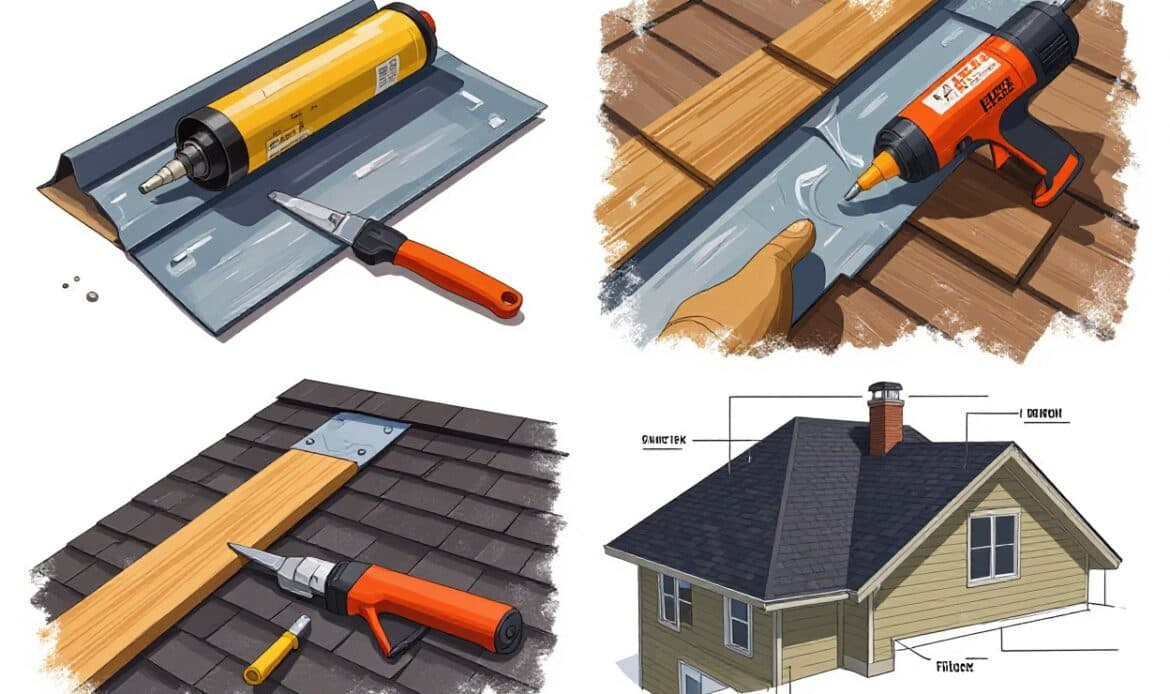
Flashing is the metal stripping that protects the weak spots on your roof. It sits around chimneys and vents and runs through the valleys, sending water away from the seams. Old flashing rusts, cracks, or pulls loose. On a replacement we almost always recommend new flashing. Putting new shingles around old, failing metal makes no sense. That cost is often separate from the main roofing job. Skip it and you can get leaks on a brand-new roof.
What Actually Drives Your Roofing Costs
Past those specific mistakes, a handful of core factors set the final number on any roofing project. Knowing them helps you compare quotes and see where your money goes. The total is a mix of materials, labor, and what your particular home needs. Each piece carries real weight.
Roofing Cost Per Square
In roofing we measure in "squares." One square is a 10-by-10 foot area, or 100 square feet. When a contractor prices a job, it usually breaks down as the roofing cost per square. That price covers shingles, underlayment, nails, and the labor to install them. Your total is that price times the number of squares on your roof. A larger, more complex roof has more squares, so it costs more. That is the standard unit of measurement in the trade.
Asphalt Shingle Roof Cost
The shingle you pick is a major driver of price. Asphalt shingles are the most common choice in Tulsa. They balance durability and affordability well. Even inside that category you have options.
- 3-Tab Shingles: The most basic and affordable option. They are flat and last about 15-20 years.
- Architectural Shingles: Thicker, with a layered, dimensional look. They cost more but last longer, around 30 years, with better warranties.
- Premium Shingles: Built to look like slate or wood shakes. The most expensive and the most durable.
The asphalt shingle roof cost swings quite a bit depending on which style you choose. That choice affects both the look and the long-term performance of your roof.
Labor and Installation Charges
Labor is a large share of your roofing costs, and it is not just nailing down shingles. It covers tearing off the old roof, prepping the surface, and installing the new system correctly. Experienced, insured crews cost more than inexperienced ones. This is not the place to cut corners. Proper installation decides how long a roof lasts. A poorly installed roof fails no matter how good the materials are. Labor also covers safety precautions and cleanup when the job is done.
Repair or Replace: How Much to Replace a Roof
We get asked all the time whether to patch a small problem or pay for a full replacement. It depends on a few things: the age of your roof, how far the damage goes, and how long you plan to stay in the house. Sometimes a simple repair is all you need. Other times it is a temporary fix on a much larger problem.
Average Cost of New Roof
Pinning down the average cost of new roof work is tough because every home is different. The price depends on the size of the roof, the materials, and the complexity of the job. A one-story ranch costs far less than a large two-story house with a lot of peaks and valleys. In the Tulsa area a new roof is a significant investment. It also adds value to your home and gives you peace of mind for decades. It is one of the most important projects you can take on. If you qualify, you can get a $10,000 grant for a new roof through programs offered by the State of Oklahoma.
Minor Shingle Patching Prices
If your roof is fairly new and a storm took a few shingles, a minor repair is usually the right call. Patching costs far less than a replacement. We replace the damaged shingles and check the surrounding area for anything else going on. The cost is normally a service call fee plus materials. It is a quick, effective way to handle isolated damage, and it extends the life of the roof without a major expense.
Life Expectancy Cost Breakdown
Looking at cost over the long haul helps you decide. Say your roof is 18 years old and was built to last 20. A major repair might buy a few more years, but more repairs are coming. In that case putting the money toward a new roof is usually smarter, because a new roof has a full lifespan ahead of it. Spreading the cost across the expected life of the roof shows the real value. Here is a simple table to make the point.
| Action | Short-Term Cost | Long-Term Value |
|---|---|---|
| Major Repair on Old Roof | Moderate | Low (More repairs likely soon) |
| Full Roof Replacement | High | High (20-30 years of protection) |
Getting a Straight Number on Tulsa Roof Repairs
Your roof repair cost in Tulsa is more than the price of shingles. It is the whole project. Decking, permits, flashing: the small details add up. Work with a reputable local contractor who walks you through every line item. Ask questions. Know what you are paying for. A good quote is a detailed one that anticipates problems and plans for them. That is how you get through a roofing project without financial surprises, and how you protect your biggest investment, your home. At Trifecta Roofing and Restoration, every job starts with a free inspection.
Frequently Asked Questions
What unexpectedly raises roof repair cost?
The most common surprise is rotten decking found after the old shingles come off. It has to be replaced, and that adds material and labor. Other surprises include multiple layers of old roofing that all have to come off, or a structure that needs extra support. The complexity and pitch of the roof also get underestimated, which pushes labor charges higher than expected.
Is the average cost of new roof higher in Tulsa?
Roofing costs in Tulsa generally track national averages, but they move. Local material availability, labor rates, and demand all play a part. After a major storm, demand for roofers spikes and prices can climb for a while. Permit fees and disposal fees specific to the Tulsa area factor in too. Get multiple quotes from local contractors.
How do contractors figure roofing cost per square?
A few pieces go into it. First, material cost: shingles, underlayment, and nails for a 100-square-foot area. Second, the labor to install those materials, which shifts with the steepness and complexity of the roof. Then a portion of overhead, like insurance, plus profit margin. Bundle all of that together and you have the roofing cost per square.