Protecting Your Investment in Hunters Bend: The Essential South Tulsa Roofing Guide
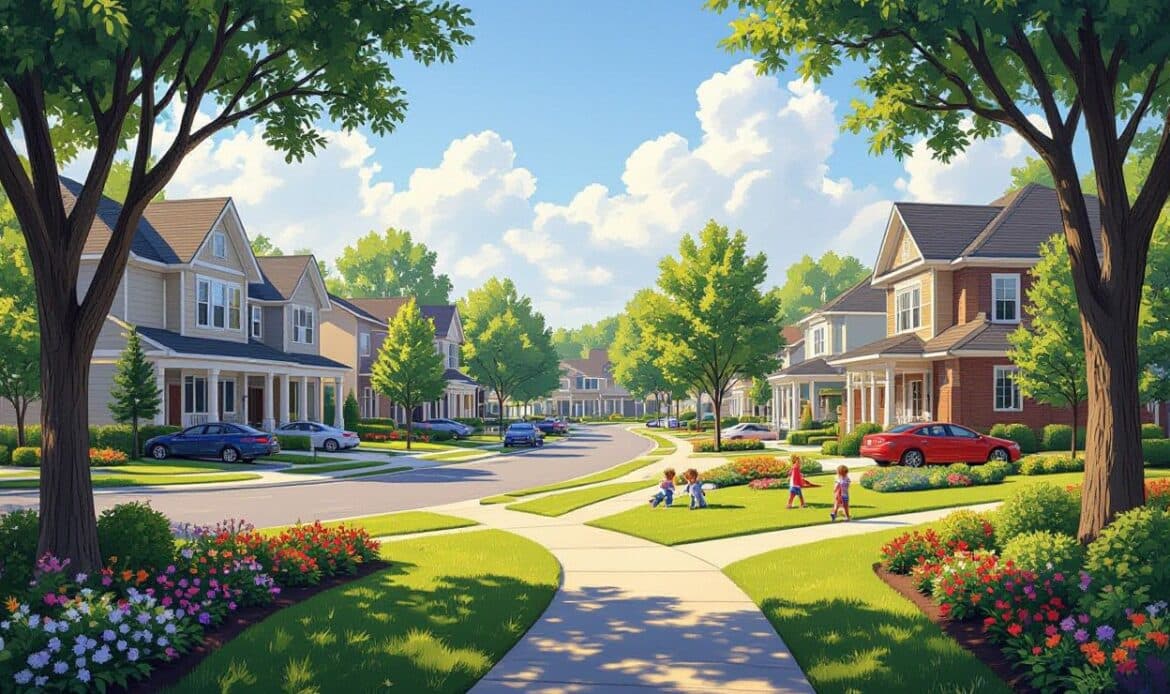
Hunters Bend has a reputation for safety and strong value, and you get Jenks Public Schools and a proactive HOA along with it. The problem is the original 1990s roofs are aging, and Tulsa hail and high winds put a real risk of costly damage on every one of them. Regular professional inspections and code-compliant replacements protect your investment and the look of the street. That is the short version of Hunters Bend roofing, and Trifecta Roofing and Restoration works on these homes every season.
Key Takeaways:
- Hunters Bend is a well-established, family-friendly South Tulsa community near 111th Street and Yale with strong neighborhood engagement and high value.
- Homes are primarily mid-1990s brick construction (≈2,588–4,600+ sq ft) with original composition roofs that are often at or past the typical 20–25 year lifespan.
- Location inside the Jenks Public School District significantly boosts desirability and long-term property values.
- Roofing projects must meet both Hunters Bend HOA architectural approvals and City of Tulsa building codes and permits. Oklahoma rules often require full shingle replacement rather than overlays.
- Tulsa's climate (heat, hail, wind) and brick construction require professional roofing experience for proper flashing, ventilation, materials, and code compliance to protect the home.
Overview of Hunters Bend
Hunters Bend sits near 111th Street and Yale Avenue and was developed in the mid-1990s. The homes are brick, single-family, and typically run from about 2,588 to over 4,600 square feet. The neighborhood identity comes from long-term ownership, steady upkeep, and resident-led work that earned it the line "the best value for the entire square mile." That reputation shapes how you handle long-term maintenance, roofing most of all, since many original composition roofs are reaching or past the typical 20–25 year lifespan.
The Hunters Bend Homeowners' Association (HBHA) runs the community, and the area is part of the Jenks Public School District, which serves over 12,000 students and includes Jenks High School with its GreatSchools 10/10 rating. That keeps property values strong. Any renovation has to clear both the HBHA's architectural review and the City of Tulsa's rules under the 2018 International Residential Code, including permits and inspections that affect timing, cost, and who you hire.
Location and Accessibility
Sitting at 111th and Yale puts you in South Tulsa's established residential corridor, close to local shops and the Jenks schools that draw families here. Contractors who work in Hunters Bend will tell you the location makes scheduling inspections and material deliveries easier, because subdivision access is predictable and the HOA procedures are known.
For major exterior work, plan around both HBHA approval and City of Tulsa permitting tied to the 2018 IRC. Two reviews add lead time. Architectural submittals to the HBHA and permit processing with the city each take several business days to a few weeks, depending on the job. Start early and you avoid delays, and it is easier to line up contractors who know the local inspection schedule.
Community Features
HBHA is a mandatory non-profit. It runs annual meetings, summer block parties, and an active neighborhood-watch culture where neighbors "regularly walk the blocks and get to know one another." That works in your favor on visible exterior projects, because organized neighborhoods hold standards that protect curb appeal and resale value.
Architectural controls are enforced. Any change to roofing material, color, or visible detail will likely need HBHA approval, so treat that step as part of the schedule. Skipping it can mean orders to redo the work or fines. City rules matter too. Tulsa inspections cover sheathing, flashing, ventilation, and underlayment, and Oklahoma generally prohibits installing new asphalt shingles over an existing layer, so full replacement is usually required instead of an overlay.
Most of these homes are brick, so ask contractors to show experience with brick-to-roof transitions. Correct step flashing, kickout details, and mortar joint coordination keep water out and prevent hidden damage. A local roofer who already knows the Hunters Bend HOA process and Tulsa's permit and inspection expectations makes approvals simpler and keeps you out of callbacks and compliance trouble.
Architectural Character of Homes
Hunters Bend homes look like the suburban-traditional builds of the mid-1990s: brick fronts, symmetrical designs, and details built for curb appeal. Houses run from about 2,588 to over 4,600 square feet, with consistent setbacks and mature landscaping the HBHA helps maintain. That consistency carries into rooflines and exterior colors, which is part of why the neighborhood is still called one of the best values per square mile in South Tulsa.
The choices made at original construction drive what you can do today. Most original roofs used composition (asphalt) shingles. With a typical lifespan of 20–25 years, plenty of these homes now need full replacement rather than repair. The goal is work that respects the neighborhood's character while dealing with age and Tulsa's weather extremes.
Design and Style
Front gables with modest covered porches and attached garages are the most common look, accented by bay windows, brick soldier courses, and some stone. Roofs are usually mixed hip-and-gable systems with moderate slopes, many in the 4:12 to 8:12 range. That means roof detailing, valley placement, and flashing intersections get a hard look during inspections and replacements.
Original colors and materials were conservative: earth-tone brick, tan or brown shingles, white or beige trim. The HOA review keeps that consistent, so when you pick replacement shingles or trim, choose options that match the street while improving performance. Architectural (dimensional) shingles in neutral slate or brown tones handle both appearance and durability.
Construction Materials
Brick veneer over wood-frame construction is the norm here, with exterior walls on conventional stud framing and plywood or OSB sheathing. Original roofs were composition (asphalt) shingles over felt underlayment. Flashing at brick chimneys and wall intersections is metal, usually galvanized steel, and gutters are standard K-style aluminum. You get thermal mass and curb appeal from that combination, along with specific spots where water gets in once flashing or underlayment wears out.
Lifespans vary by component. Standard three-tab asphalt shingles usually reach 20–25 years, architectural shingles often last 25–30 years, metal flashing and gutters can last decades when installed right, and modern synthetic underlayments outlast traditional felt. With Tulsa hail and wind, small weak points like lifted flashing, missing shingles, or poor ventilation turn into sources of serious interior damage during a severe storm.
On a replacement, specify an impact-rated shingle (look for UL 2218 Class 3 or Class 4 for better hail resistance), a quality synthetic underlayment, and continuous metal flashing at every brick-to-roof transition. Require balanced attic ventilation, intake soffit plus ridge or box vents, to meet code and stretch shingle life. Full tear-off is often required under local code, so build permit costs and substrate inspection into the budget.
Community Engagement
Hunters Bend holds its curb appeal and property values because residents stay involved. You see it at the annual HOA meetings and on the "Alert Neighborhood" walks where neighbors compare notes on maintenance, security, and storm damage. With many roofs hitting the typical 20–25 year lifespan, that awareness catches failing shingles, flashing problems, and hail dents early, all things that wear a roof out faster in Tulsa's climate of frequent hail and high winds.
After a bad storm is when working together pays off. Neighbors compare notes, gather photos for insurance claims, and pass along contractor referrals, so repairs move faster with fewer surprises. Several homeowners scheduling inspections around the same time can show a damage pattern across the block, which speeds up claim approvals and repairs.
Role of the Homeowners Association
The Hunters Bend Homeowners' Association, Inc. enforces the covenants and handles architectural review for exterior changes. Before a reroof, the HBHA typically wants an architectural application with the proposed shingle manufacturer, a color sample, and contractor information. You must obtain HBHA approval before any roofing work or you risk violations and fines.
The HOA rules sit alongside City of Tulsa regulations. Roofing here usually requires city permits and inspections under the 2018 International Residential Code with Oklahoma modifications, and local policy commonly requires a full roof replacement rather than overlaying new shingles on an existing layer. Keep both the HBHA approval and the city permit documents together so the project clears both reviews and your investment stays protected.
Neighborhood Events
Summer block parties and HOA gatherings are a good place to meet neighbors who just finished roofing work and get honest references. Past events have included local contractors who walk people through material choices, ventilation upgrades, and what brick construction means for flashing details. That helps you compare options on more than price and land on trusted contractor recommendations.
Events are also a chance to organize. You can set up a neighborhood storm-inspection meetup, bring in one or two contractors to estimate several homes at once, and build a shared list of bids and warranties. Pooling information cuts your research time and turns up contractors willing to offer scheduling benefits for groups.
After a storm, use the next HOA meeting or block party to set a neighborhood timeline for claims and repairs, pick one person to collect and share photos, and agree on a shortlist of contractors with real Tulsa experience in hail damage and brick-flashing integration. That coordination speeds up approvals and protects your home's long-term value.
Educational Opportunities
Hunters Bend sits in the Jenks Public School District, which serves over 12,000 students across 10 sites and won the Malcolm Baldrige National Quality Award in 2016. Jenks High School carries a GreatSchools rating of 10 out of 10, a clear draw for families that keeps this neighborhood in demand. You can watch recent market movement and asking prices at Hunters Bend in Tulsa.
Schools in the Area
Plenty of families buy in Hunters Bend for the district alone, for its academics and extracurricular programs. Jenks posts high graduation rates and competitive college-readiness scores, which puts it among Oklahoma's top systems. Elementary and middle school assignments keep daily drives reasonable and feed into the high school that gets regional attention.
District resources, from advanced coursework to district-wide recognition, mean steady enrollment pressure and consistent parent involvement. That participation, paired with the Hunters Bend HOA's standards, supports a neighborhood culture built around student success.
Impact on Property Values
High-performing schools are the main reason buyers look here. Homes in desirable school zones draw more demand and sell faster. These mid-1990s houses, roughly 2,588 to over 4,600 square feet, often sell for more because families want Jenks schools, and that holds resale values up even when the broader market shifts.
HOA oversight and school reputation reinforce each other. The HBHA's architectural controls preserve curb appeal while Jenks' awards keep buyers active. Listings here tend to show strong prices next to similar South Tulsa areas without the same school profile.
Deferred maintenance, roofing especially, shows up directly in appraisals and offers. Many original composition roofs are now at or past a 20–25 year lifespan, and buyers or appraisers will subtract replacement cost during negotiation. Getting HOA approvals and Tulsa code compliance handled before you list prevents low offers and speeds closing, so dealing with major exterior issues early protects the premium good schools create.
Roofing Considerations
Age and Condition of Roofs
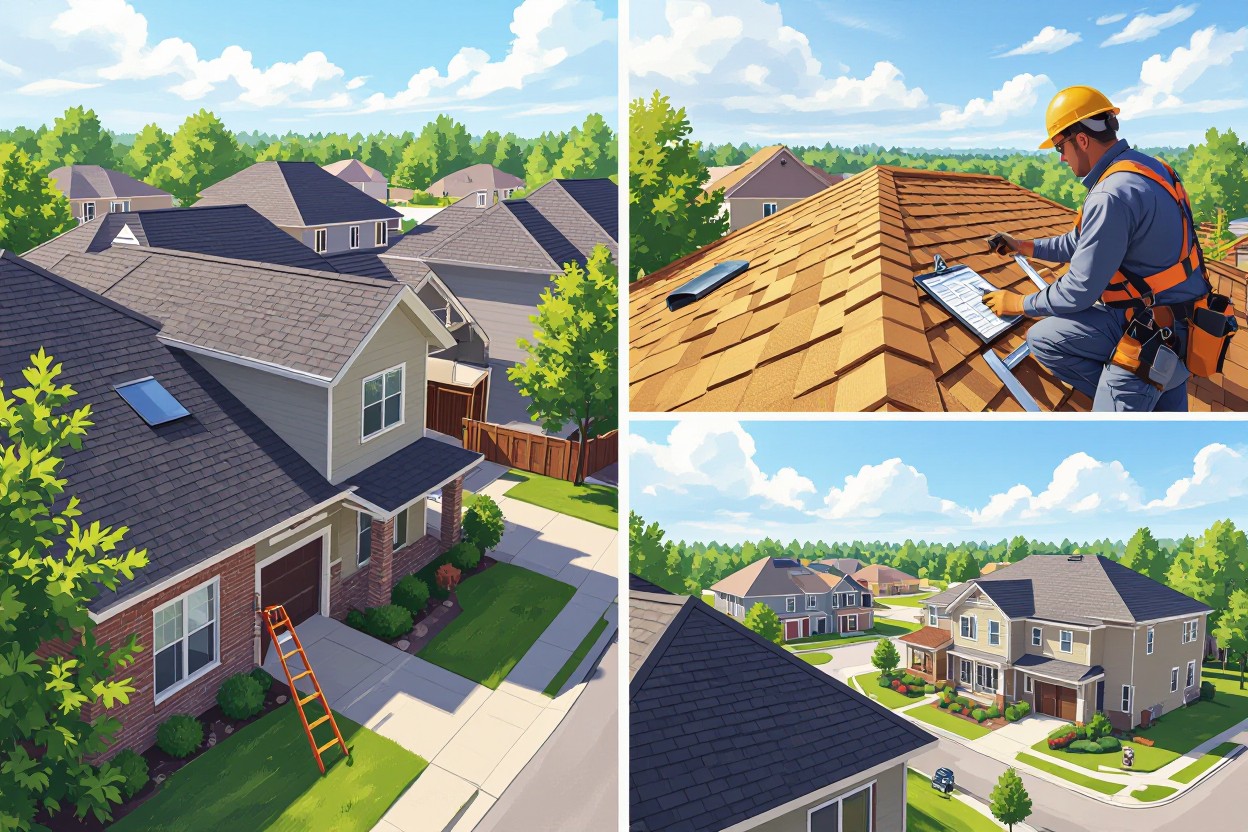
Hunters Bend homes, many built between 1994 and 1996, usually still carry composition roofs at or past the typical 20–25 year lifespan. Expect granular loss, curling or cracked shingles, and flashing failures here and there. Those signs come before water getting in, and left alone they lead to rot and costly interior damage. Decking exposed during past repairs may also have soft spots that shorten the life of any new roof.
When you schedule an inspection, ask for a tear-off assessment, not a surface-only look. Oklahoma code and local practice generally require full replacement over layering, and that drives your budget and timeline. Watch for uneven shingle wear on south- and west-facing slopes, which shows faster sun damage and can move up your replacement date.
- Roof age (20–25 years)
- Signs of failure: curling, granule loss, soft decking
- HOA & city permit requirements
Knowing those signs lets you budget for replacement and makes sure the contractor checks the decking, not just what shows from the ground.
Environmental Factors
Tulsa's humid subtropical climate brings hot, humid summers and big temperature swings, so roofing materials expand and contract. That speeds up adhesive failure and seam separation on older composition shingles. Storm season brings hail and high winds that strip protective granules and loosen flashing. You see it as granule deposits in the gutters or small pinhole impacts across the shingle surface.
The brick construction common in Hunters Bend demands careful flashing where the roof meets chimneys, walls, and eaves. Sloppy flashing means leaks around the brick that keep coming back. Check attic ventilation and insulation levels during any roof work, since high attic temperatures from poor ventilation shorten shingle life and can warp sheathing.
A thorough inspection after a storm should include infrared or moisture meter scans and a fastener-by-fastener check of exposed rake and eave areas. Contractors who document wind lift weak points and hail impacts give you a clear repair plan and stronger support for an insurance claim.
- Hail and wind exposure
- Heat cycling and sun damage
- Ventilation and attic temperature
Once you know how Tulsa weather works on your materials, you can choose higher-wind-rated or impact-resistant shingles that last longer and cut future maintenance.
Compliance and Regulations
HOA Guidelines
Most exterior changes require an architectural review. The Hunters Bend Homeowners' Association, Inc. (HBHA) enforces covenants covering roofing material, color, and visible details like gutters and vents. Prior architectural review and approval is generally required for any reroof, roof color change, or visible mechanical equipment. Skipping HBHA approval can mean fines or mandatory corrective work that hurts resale value. To see what roof styles and materials are common here and where the market sits, look at local listings such as Homes For Sale in Hunters Bend.
Your contractor should hand the HOA specification sheets, color samples, and a proposed timeline so the application does not stall. Documented proof of compliance, meaning photos of material samples, manufacturer specifications, and the HBHA approval letter, protects you at resale and if a neighbor raises a complaint about appearance or property value.
City Building Codes
Tulsa enforces the 2018 International Residential Code with Oklahoma amendments for roofing. Most reroofs need a permit and at least one city inspection covering solid sheathing, flashing, underlayment, drip edges, and attic ventilation. Permits and inspections are mandatory for a substantial roof replacement, and Oklahoma rules typically prohibit installing new asphalt shingles over an existing layer when one layer is already there. For mid-1990s composition roofs at the typical 20–25 year lifespan, that usually means a full tear-off.
Cutting corners leads to required corrective work, held-up final inspection sign-off, and possible trouble with insurance claims on future storm damage if the work was done without permits. Your roofer should pull the permit, schedule the inspections, and give you the signed inspection report for your property record.
With brick construction, flashing details deserve extra attention under code. Step and counterflashing at brick walls, corrosion-resistant metal flashing, and properly integrated underlayment are the usual inspection focus. Improper flashing or ventilation is a leading cause of early shingle failure and leaks in brick homes, so insist on documented installation methods that satisfy both the HBHA and the city inspection checklist.
Conclusion
Hunters Bend is a well-established South Tulsa neighborhood where solid construction, top-rated Jenks schools, and an engaged HOA hold up property values and community character. With most roofs dating to the mid-1990s and Tulsa weather working against them, a professional assessment and timely replacement keep water out, keep you in compliance, and keep the house looking like it belongs on the street.
For Hunters Bend roofing, work with people who understand brick-wall detailing, the HOA's architectural requirements, and Tulsa building codes. Get the permits and approvals, and keep records of every inspection and every job, so your improvements support long-term value and neighborhood standards. At Trifecta Roofing and Restoration, every job starts with a free inspection. Call (918) 471-2777.
FAQ
What HOA requirements apply to roof repairs or replacements in Hunters Bend?
The Hunters Bend Homeowners' Association (HBHA) requires architectural review and written approval for exterior changes, including roofing material, color, and visible style. Send a detailed application with product samples or manufacturer specifications to the HBHA architectural committee before work starts. Approval timelines and style standards are spelled out in the covenants. Without HOA approval you can be ordered to change the work or pay fines, so get HBHA sign-off before you contract or permit.
Do I need a City of Tulsa permit and inspections for a roof replacement?
Yes. Tulsa enforces the 2018 International Residential Code with local amendments, and most full roof replacements require a permit, inspections, and code items such as solid sheathing, flashing details, ventilation, drip edge, and underlayment. Oklahoma rules commonly prohibit adding a new asphalt shingle layer over an existing complete layer, so expect a full tear-off if one layer is already there. Your contractor should pull permits and schedule inspections. Work done without proper permits causes insurance and resale problems.
How can I tell if my Hunters Bend roof needs replacement rather than repair?
Many Hunters Bend homes built in the mid-1990s have roofs near or past the typical 20–25 year lifespan. Replacement makes more sense than repair when you see large areas of curling or cracked shingles, widespread granule loss, multiple leak locations, a sagging deck, or hail and wind damage across the whole roof. If repairs keep coming or big sections are compromised, a professional inspection and a cost comparison between full replacement and ongoing repairs usually points to replacement to protect the structure and the value.
What roofing materials and details are recommended for brick homes in Hunters Bend?
Architectural asphalt shingles with a strong wind and impact rating are common and accepted under HOA standards. Impact-resistant shingles or metal roofing are options where the HBHA allows them. Brick construction calls for careful flashing, step and counter flashing integration, and attention to how the materials expand and contract at different rates. Proper underlayment, ventilation, and drip edge are vital. Pick materials with strong manufacturer warranties, match the HOA color and profile guidelines, and hire a contractor experienced with brick-to-roof transitions.
How should I handle storm damage, insurance claims, and contractor selection in Hunters Bend?
Document the damage with photos and a written list, report the loss to your insurer right away, and ask for an adjuster inspection. Get at least two written estimates from reputable local roofers who are licensed, insured, and familiar with Tulsa codes and HBHA requirements. Avoid contractors who show up at your door uninvited, and be careful with assignment-of-benefits agreements. Line up the HOA approval and city permitting before work starts, keep every permit and receipt, and send them to your insurer to support the claim and the final payment.