Protect Your Home & Wallet: Your Guide to Affordable Roof Replacement in Tulsa
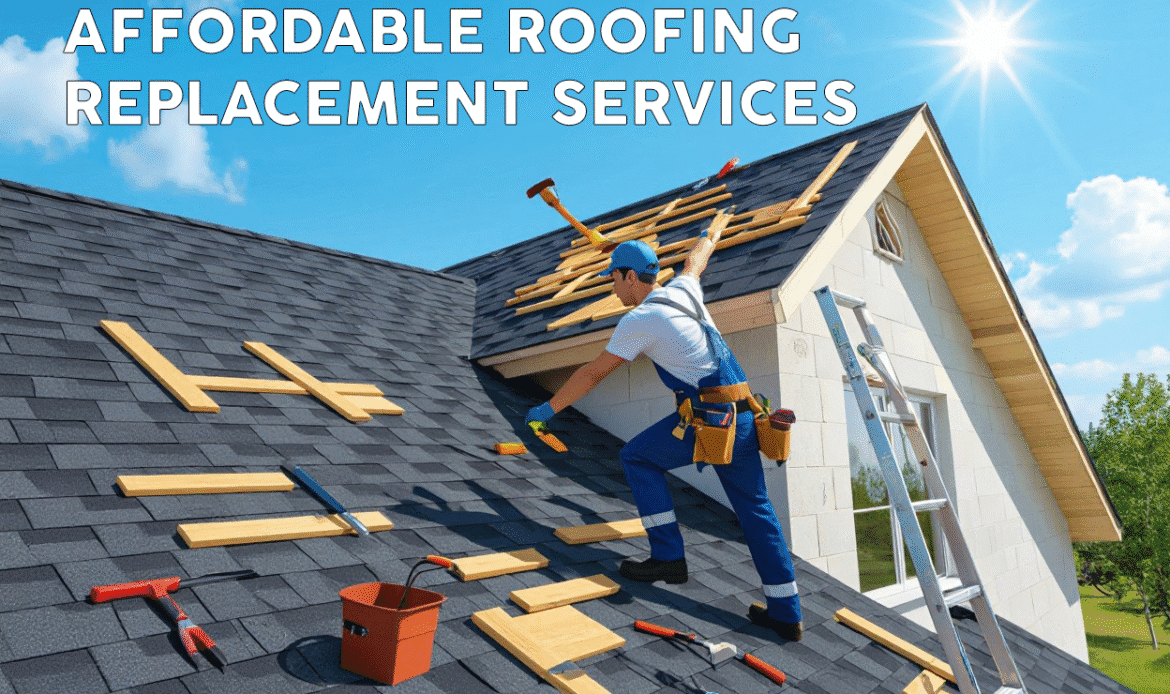
Replacing a roof in Tulsa comes down to two questions: what does it cost today, and how long will it last. At Trifecta Roofing and Restoration we walk homeowners through both so an affordable roof replacement in Tulsa protects your home and your budget. Below we show you how to read estimates, confirm licenses and warranties, and pick weather-rated materials that hold up to severe hail, high winds, and heavy rain. Start with Class 4 impact-resistant shingles or a comparable metal system, since those can also lead to insurance premium reductions. Use these steps to compare bids, spot the common scams, and get a roof that lasts without overpaying.
Key Takeaways:
- Match materials to Tulsa's climate. Impact-resistant options (Class 4 shingles, weather-rated metal) last longer and may lower your insurance premium.
- Ask for itemized estimates that list materials, labor, roof size and pitch, complexity, decking repairs, permits, and disposal so you can compare true costs.
- Check credentials. You want local experience with storm damage, a valid license, insurance, and clear manufacturer and labor warranties.
- Weigh upfront cost against long-term value. Asphalt is usually cheapest today. Metal or synthetic costs more and can last longer with less maintenance.
- Use financing and insurance wisely. Roofing loans or contractor financing and a properly filed claim cut your out-of-pocket cost.
Understanding Roofing Needs
Start with a physical inspection, then factor in your weather exposure and the shape of the roof. Look for granule loss, curling or missing shingles, soft spots in decking, and worn-out flashing. Those signs usually mean you need more than a patch. Roof size is measured in squares (1 square = 100 sq ft), and pitch and complexity matter too. A simple gable roof costs far less to replace than one with multiple valleys, dormers, and skylights, where labor and flashing work can push the price up 20–40%.
Budget for permits and disposal. Permit fees in the Tulsa area commonly run about $50–$300, and a dumpster adds several hundred dollars depending on roof size. Put the roof's age (asphalt shingle roofs typically age out around 20–30 years), warranty status, and recent storm history side by side, and you and your contractor can decide whether targeted repairs or a full replacement gives you the best long-term value.
Local Climate Impact
Tulsa and the surrounding Oklahoma cities get severe hail, high wind gusts (often exceeding 70 mph in major storms), heavy rainfall, and large temperature swings. All of it speeds up wear. Hail knocks granules off shingles and leaves bruising that shortens shingle life. Wind-driven rain and uplift stress flashing and ridge caps. Products rated for those threats, like Class 4 impact-resistant shingles, mean fewer repairs and less leak damage after a storm.
Insurers notice those upgrades. Carriers in tornado- and hail-prone regions often discount policies for impact-rated roofs, commonly in the 5–20% range, depending on the provider and roof age. Look at the storm events your property has seen and how often you have filed. Homeowners who switched to impact-resistant products after big hailstorms generally filed fewer claims later and paid less over the life of the roof.
Material Selection for Durability
Compare lifespan, upfront cost, and storm performance together. Architectural asphalt shingles typically last 20–30 years and run roughly $3.50–$6.50 per sq ft installed. Class 4 impact-rated versions add about $0.50–$1.50 per sq ft and hold up much better to hail. Metal roofing runs about $7–$12 per sq ft installed with a 30–50 year lifespan and strong wind resistance. Synthetic slate and premium composite cost more, often $12–$20 per sq ft, but can last 50+ years with better fire and impact performance.
Read the manufacturer warranty next to the contractor's labor warranty. Asphalt product warranties usually run 25–50 years and often reduce over time, while labor warranties run 5–10 years unless you arrange for longer. On storm-prone Tulsa roofs, pay attention to tested impact ratings (Class 4), wind uplift ratings (look for >110 mph), and corrosion-resistant underlayments and flashing details that keep water out after severe weather.
One way to weigh upfront cost against long-term value is cost per year. A mid-range architectural shingle at about $4.50 per sq ft with a 25-year life works out to about $0.18 per sq ft per year. A metal roof at $9.00 per sq ft over 45 years is about $0.20 per sq ft per year. Add in likely insurance discounts, less maintenance, and fewer storm repairs, and you can see which option actually saves money over the life of the roof.
Roofing Costs Breakdown
Average Cost Ranges in Tulsa
Asphalt shingle replacements in the Tulsa area typically run about $3.50–$6.50 per sq ft (roughly $350–$650 per 100 sq ft "square") installed. On a 2,000 sq ft home, expect $7,000–$13,000 for a full tear-off and install depending on shingle class and warranty. You can compare local service options and ballpark estimates through resources like Roof Installation, Repair & Tarping Services to see how bundled services (tarping, permits, disposal) change the total.
Metal roofing generally runs $7–$12 per sq ft installed for standing seam or exposed-fastener systems. High-end options like synthetic slate or premium tile can reach $15–$30+ per sq ft. Permit fees, disposal charges, and required underlayment or ventilation upgrades commonly add $500–$2,500, so build those into your budget. These ranges reflect typical local material and labor pricing for Tulsa.
- Asphalt shingles: $3.50–$6.50/ft²
- Metal roofing: $7–$12/ft²
- Synthetic/composite: $6–$10/ft²
- Tile/Slate: $15–$30+/ft²
Those are averages. They move with roof complexity, seasonal demand, and the warranty you choose.
Factors Influencing Pricing
The biggest drivers of your final quote are roof size and pitch, which set the labor hours, and the material you pick. Higher-impact or Class 4-rated products cost more up front and can lower your insurance premium over time. Complex rooflines with multiple valleys, dormers, skylights, or chimneys add flashing and labor time. Each feature can add several hundred to a few thousand dollars depending on access and detail work.
Hidden repairs move an estimate fast. Replacing damaged decking can add $200–$1,500+. Upgrading ventilation or ridge vents often runs $200–$1,000. Tearing off multiple layers raises disposal and labor costs, and a full three-layer tear-off can add $1,000–$3,000. Permit fees in Tulsa typically run $50–$500 and disposal charges commonly add $100–$700. Ask for itemized estimates so none of that surprises you. The estimate should list each of these items so you can compare bids side by side.
- Roof size & pitch
- Material selection
- Roof complexity (valleys, dormers)
- Decking & underlayment repairs
- Permits & disposal
The more detailed the scope, the easier it is to spot add-ons and negotiate value.
Seasonal demand and storm activity in Oklahoma swing prices quickly. After a hail event, material lead times can stretch 4–8 weeks and labor rates can climb 10–25% as crews chase claims work. Ask about warranty levels and whether the quote includes impact-resistant shingles, an allowance for replacing the whole deck, and a written timeline. Those details keep costly changes from showing up mid-project.
- Storm-related demand: increases lead times and labor rates
- Warranty coverage: manufacturer vs. labor
- Project timeline: affects temporary protection and storage costs
Asking for that detail up front protects your budget and keeps the final invoice matching the bid.
Selecting a Quality Contractor
Get at least three written estimates that break out labor, materials, permit fees, disposal, and any decking repairs so you can compare them fairly. Ask where the office is and how long the crew has worked in Tulsa. Contractors with 3–5+ years of steady local work, manufacturer certifications (e.g., GAF, CertainTeed), and a verifiable Tulsa address are far less likely to vanish after a storm than out-of-town chasing crews. Insist on a detailed contract with start and end dates, cleanup responsibilities, who pulls permits, and a lien waiver clause that protects you from subcontractor claims.
Confirm the contractor will pull permits and schedule inspections. Unpermitted work causes code violations, complicates insurance claims, and hurts resale value. Ask for three recent Tulsa-area references and photos of completed work. If a contractor promises insurance savings from Class 4 impact-resistant shingles or upgraded metal systems, confirm it, because those products do qualify for insurer discounts in many cases.
Verifying Credentials and Insurance
Ask for a current Certificate of Insurance (COI) showing general liability of at least $1,000,000, workers' compensation for the crew, and coverage for your job site and any subcontractors. Call the insurer at the number on the policy, not the number the contractor hands you, and confirm coverage, limits, and expiration date. If your project calls for bonding, ask for proof. A bond protects you if the contractor fails to finish the work.
Confirm licensing or registration as required by the state and city, and check the contractor's standing with the Better Business Bureau and the local building department. Get it in writing who pulls permits and handles inspections. Work done without permits can lead to denied insurance claims and code problems, and an uninsured crew leaves you holding the bill for injuries or property damage.
Understanding Warranties
There are two warranties: the manufacturer's, which covers the product, and the workmanship warranty, which covers the installation. Manufacturer warranties on asphalt shingles typically run 25–50 years and may reduce over time, so you get less back each year. Class 4 impact-rated products often carry better coverage with specific hail and wind thresholds. Registration is commonly required within 30–60 days after installation to keep full benefits, and manufacturers often require a certified installer for the better protections.
Workmanship warranties from contractors usually run 1–10 years, though some certified installers offer longer or transferable terms. Ask whether the labor warranty covers tear-off and replacement labor or only fixing installation mistakes. Read the exclusions. Poor attic ventilation, improper underlayment, a missing drip edge, or unauthorized aftermarket products can void either warranty. Get a written warranty that spells out the claim process, response time (ask for a 30-day response clause), and whether it transfers when you sell the home.
Here is how reduced value works. On a 30-year shingle warranty that is 10 years old, the manufacturer might cover the remaining material value at (30−10)/30 of current material cost. Labor to remove and replace the shingles usually is not covered, so you pay it unless the contractor's workmanship warranty applies. Ask for a sample manufacturer warranty and the contractor's own labor warranty before you sign so you can compare reduced-value schedules, transfer rules, and wind and hail exclusions. That is how you judge real long-term value against the upfront price.
Navigating Financing Options
Roofing Financing Programs
You have a few paths. A home equity loan or HELOC usually carries the lowest rate (typically 4–9% variable for HELOCs and 5–7% fixed for home equity loans). Unsecured personal loans generally run 7–25% APR depending on credit. Contractor-backed plans may offer 0% APR for 12–18 months or fixed payments over 5–15 years. Run the numbers before you sign. Financing a $12,000 full replacement at 6% over 10 years is about $133 a month. The same balance at 12% over 5 years is roughly $265. Term and rate change your cash flow a lot.
Match the loan term to the life of the material: shorter terms for asphalt shingles (20–30 years), longer for metal systems that can last 40+ years. Watch for deferred interest charges and prepayment fees. Many reputable contractors work with several lenders and can help you compare offers. Upgrading to Class 4 impact-resistant shingles can also earn an insurer discount that offsets part of the financing cost over time.
Insurance Claims Guidance
Document the damage first with date-stamped photos, a written contractor estimate, and any weather reports for the event. File quickly, then compare the adjuster's report against your contractor's itemized estimate. If your policy covers replacement cost, insist on that rather than actual cash value (ACV). Keep copies of every communication, and do not sign over checks until you confirm the scope covers decking, flashing, and ventilation repairs. Those are the items homeowners get underpaid on.
If the insurer undervalues the damage, file a supplemental claim backed by a professional inspection showing hidden or progressive damage such as rot under shingles or compromised decking. Public adjusters can increase your settlement but usually charge 5–10% of the final claim, so weigh that against what you expect to recover. An itemized estimate that separates materials, labor, tear-off, and disposal helps you and the adjuster settle differences fast.
Move fast. File the claim and schedule a professional inspection within days of the event to preserve evidence, and watch the deadlines in your policy. Many denials come down to a missed notification window. Keep one folder with photos, estimates, paid invoices, and all insurer correspondence so you can dispute reductions or request a supplement if more damage shows up during tear-off.
Red Flags to Watch For
Repeated knocks on your door right after a hail or wind event, from crews saying they "work only in your neighborhood today," usually means storm-chaser activity. That pressure is often followed by rushed work, sloppy cleanup, or a company that disappears once it has your deposit. Very low bids are another warning. A full asphalt shingle tear-off quoted at $1,200–$2,000 on an average Tulsa home is not realistic, since replacement typically runs $3.50–$6.50 per sq ft ($350–$650 per 100 sq ft square) for asphalt once you include tear-off, disposal, permit fees, and basic flashing and vent upgrades.
Check credentials before you sign anything. Verify licensing with the Oklahoma Construction Industries Board, confirm current general liability and workers' comp coverage, and ask for three recent local references you can call. Require a written contract that itemizes materials, labor, permit and disposal charges, warranty language, a clear payment schedule (no large upfront cash demands), and lien waivers at completion.
Common Scams in Roofing
Storm-chaser schemes show up after every Oklahoma storm. An out-of-state crew offers to handle the insurance claim, takes a large deposit or an Assignment of Benefits (AOB), then does poor work or walks off, leaving you with the insurer and possible liens. Other red flags: demands for full payment in cash, offers to use "leftover" or mismatched shingles to cut costs, and refusal to pull local permits. Each of those shortcuts can void warranties and cause damage you pay for later.
Watch for bait-and-switch, where the verbal promise is premium product but the crew installs something cheaper. Check the brand and class on the written estimate. Class 4 impact-resistant shingles should be listed by manufacturer and model. No physical office, only a mobile number, refusal to provide a W-9 or proof of insurance, and pressure to sign before you can get competing bids are all scam signals.
Ensuring Transparency in Estimates
Ask for an itemized estimate that separates material costs, labor, permit fees, disposal and tear-off, and any deck or flashing repairs. Materials usually account for about 40–60% of the total and labor about 30–50%, so a single lump-sum number makes extra charges impossible to spot. Your estimate should list shingle brand, product name and class (for example, GAF Timberline HDZ, Class 4), underlayment type, ventilation strategy, manufacturer warranty length (25–50 years for many asphalt products), and the contractor's workmanship warranty.
Compare at least three written estimates and check that each one includes permit and disposal line items and a clear payment schedule. The standard is a small deposit, often no more than 10–30% upfront, with final payment due after the work is done and lien waivers are signed. Ask each contractor for the expected timeline, the names of any subcontractors, and proof they will pull local Tulsa permits so you can verify with the city. That level of detail gives you real points of comparison.
Enhancing Longevity of Your Roof
Pick materials and installation details that match Tulsa weather. Put Class 4 impact-resistant shingles on south- and west-facing slopes to cut hail damage and add years of service life, and consider standing-seam metal roofing on steep pitches for a 40–70 year lifespan. Upgrade to a quality synthetic underlayment and install ice-and-water shield in valleys and at the eaves. Those two steps keep water out during heavy storms and prevent early deck rot.
Balance intake and exhaust ventilation to hold down attic heat, aiming for at least 1 sq ft of net free vent area per 300 sq ft of attic floor, and check flashing, drip edge, and roof-to-wall seals at every service visit. Schedule professional inspections after major hail or wind and at least twice a year. Fixing flashing or a few lifted shingles costs a few hundred dollars. A full deck replacement costs thousands.
Maintenance Tips
Look at your roof from the ground every three months and do close-up checks in spring and fall. Watch for granule loss in the gutters, curling or blistering shingles, broken flashing, and stains that point to standing water. If you find soft or sagging deck areas, call a licensed roofing contractor right away. A damaged deck can let structural rot spread within 48–72 hours.
- Schedule a professional roof inspection right after hailstorms and photograph the damage for insurance.
- Clean gutters and downspouts twice a year to prevent water backup and roof leaks.
- Trim overhanging branches to reduce abrasion on shingles and keep debris from piling up.
- Replace damaged flashing and seal penetrations around vents, chimneys, and skylights.
- Use Class 4 or higher materials in hail-prone areas to cut repair frequency and possibly lower your premium.
Handle small repairs within 72 hours so moisture never reaches the decking. Waiting turns a $200 fix into a $2,000 tear-off and replacement. Keep records of inspections, repairs, and material receipts to support warranty claims and insurance demands.
When to Consider Replacement
Age is still the best predictor. Most 3-tab asphalt roofs are past their useful life after 20–25 years, and architectural shingles usually need replacing around 25–30 years. If your roof is in that range and shows widespread granule loss, curling, or several active leaks, replacement is the cost-effective call. Hail bruising across more than 30% of the roof surface, or wind uplift exposing granule-surfaced areas, usually means insurers and contractors will recommend a full replacement instead of patching.
Count your repairs over the last 12 months. More than three big fixes means patching is no longer working. For budgeting, mid-grade asphalt shingles run about $3–5 per sq ft installed in the Tulsa market and metal roofing about $7–12 per sq ft. A 2,000 sq ft roof averages $6,000–10,000 for asphalt and $14,000–24,000 for metal, depending on complexity and any deck work.
Ask your contractor for a written condition report covering decking integrity, flashing status, and estimated remaining life. Include photos, and ask about both manufacturer and labor warranties so you can compare the true value of repair against full roof replacement services.
To wrap up
Put long-term value first when you shop for affordable roof replacement in Tulsa. Check material lifespan and warranties, verify contractor licensing and insurance, and weigh weather-ready options like Class 4 impact-resistant shingles or durable metal that cut future repairs and can save you money on insurance.
Get several clear estimates broken down by material, labor, permit, and disposal. Look at samples, call references, and get warranties and timelines in writing. Line up financing and use your insurance claim well, and you end up with a replacement that fits the budget and keeps costs predictable. At Trifecta Roofing and Restoration, every job starts with a free inspection, so call (918) 471-2777 when you are ready.
FAQ
How do I choose an affordable roof replacement that will hold up to Tulsa's weather?
Focus on materials and installation methods rated for hail, high winds, heavy rain, and temperature swings. Look for Class 4 impact-resistant shingles or engineered metal (standing seam, coated steel, or aluminum) with high-wind ratings. Require proper underlayment, ice-and-water shield in vulnerable areas, adequate attic ventilation, and flashings installed to industry standards. Paying a little more up front for material or installation quality usually lowers long-term repair and insurance costs in Oklahoma's climate and gives you better value over the life of the roof.
What does roof replacement cost in Tulsa, and what drives the price?
Installed asphalt shingles in the Tulsa area commonly run $3.50–$6.00 per square foot ($350–$600 per roofing square / 100 sq ft), while metal roofs often run $7–$14+ per sq ft depending on profile and gauge. Price drivers include the material, roof size and pitch, complexity (valleys, dormers, skylights), decking replacement, ventilation upgrades, flashing and chimney work, permit and disposal fees, and local labor rates. Get itemized bids listing material, labor, disposal, and permit costs so you can compare fairly.
How do I avoid hidden costs and keep the estimate transparent?
Ask for a written estimate that separates materials, labor, tear-off and disposal, permits, and any underlying repairs such as decking, rotten rafters, or flashing. Request line-item pricing for optional upgrades like ventilation, ice-and-water shield, or higher-grade shingles. The contract should state how unforeseen repairs get handled and priced. Confirm whether permit fees and cleanup are included. A reputable contractor gives you a clear scope of work, timeline, and payment schedule.
What should I check when picking a contractor?
Check state and local licensing and current liability and workers' compensation insurance, and ask for proof. Look for manufacturer certifications from the shingle or metal brand, local references, recent project photos, and online reviews specific to Tulsa-area work. Get written warranties for both manufacturer materials and contractor workmanship, and confirm whether the warranty transfers if you sell the home. Skip storm-chaser companies. Go with a contractor who has a permanent local address, an established track record, and clear itemized contracts.
What financing and insurance strategies make a replacement more affordable?
Look at contractor financing plans, home equity lines, personal loans, and manufacturer or third-party roofing financing. For storm or hail damage, photograph the damage and get a professional inspection before filing. Share written estimates with your insurer and coordinate with the adjuster. Ask about discounts for impact-resistant or energy-efficient products, since Class 4 shingles and certain metal roofs can lower premiums. If you qualify, factor in tax incentives or local energy-efficiency rebates.