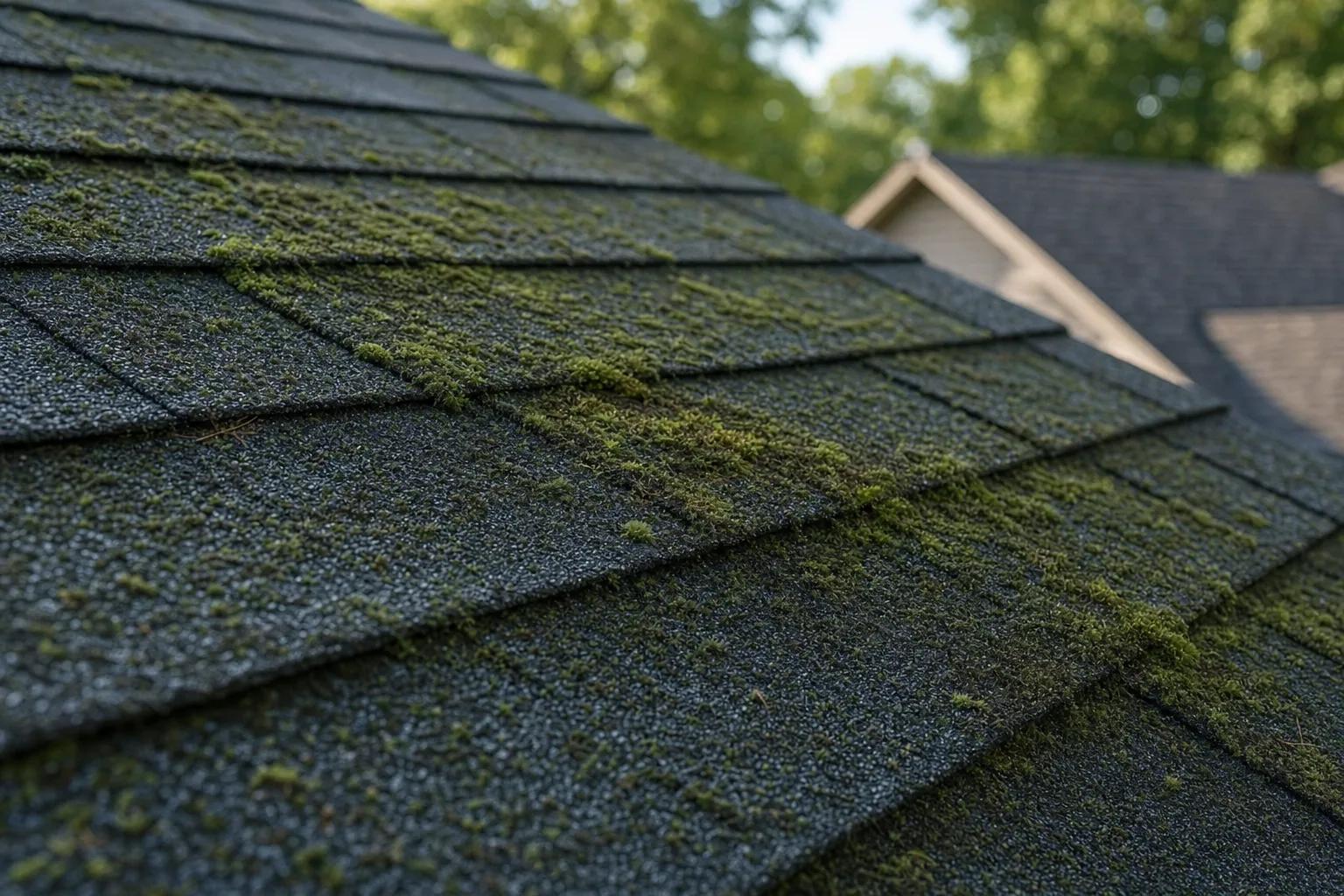
If you've noticed dark green or black patches creeping across your roof shingles, you're looking at moss. In Tulsa and Northeast Oklahoma, moisture from spring rains and humid summers creates the perfect environment for moss to take hold, especially on older roofs or those shaded by trees. The good news is that you can remove it and slow its return. The better news is that prevention is simpler than you might think.
Why Moss Grows on Roofs
Moss thrives in cool, damp conditions. Here in Oklahoma, your roof checks all the boxes: shade from oak and pine trees, morning dew, and plenty of spring and summer moisture. Moss doesn't eat your shingles the way people sometimes think, but it does trap water and speed up the breakdown of the shingle's protective granules. Over time, this moisture retention can lead to premature wear, leaks, and a shortened roof life.
If your roof is still under warranty, unchecked moss growth can actually void coverage. Most manufacturers require you to keep your roof clear of algae and moss. That's reason enough to address it early.
Safe Methods to Remove Moss from Your Roof
When it comes to moss removal, the method matters. Pressure washing your roof might seem like the fastest answer, but it's risky. High-pressure water can force water under your shingles, damage the granule coating, and even lift shingles loose. If you're going to tackle this yourself, use gentler techniques.
Soft Washing
Soft washing uses low-pressure water combined with a moss-killing solution. A biodegradable cleaner breaks down the moss, and the low pressure rinses it away without damaging your shingles. This is the safest DIY approach. You'll need to rent or buy a soft-wash system, follow all safety instructions, and work carefully. If you're not comfortable on a roof, this is a good time to call in a professional.
Zinc or Copper Strips
If you want to prevent moss while removing what's already there, consider installing zinc or copper strips along the ridge of your roof. When it rains, these metals release ions that wash down the shingles and inhibit moss growth. You'll still need to remove existing moss first, but strips prevent new growth from starting.
Chemical Treatments
Moss-killing sprays and granules work by breaking down the moss over time. These are typically safe for your shingles and the surrounding landscape if you choose a product designed for roofs. Apply in spring or fall when moss is actively growing. It takes a week or two to see results, but it's low-effort and low-risk. Always follow the product instructions and consider the health of plants below your roof.
Why Professional Removal Makes Sense
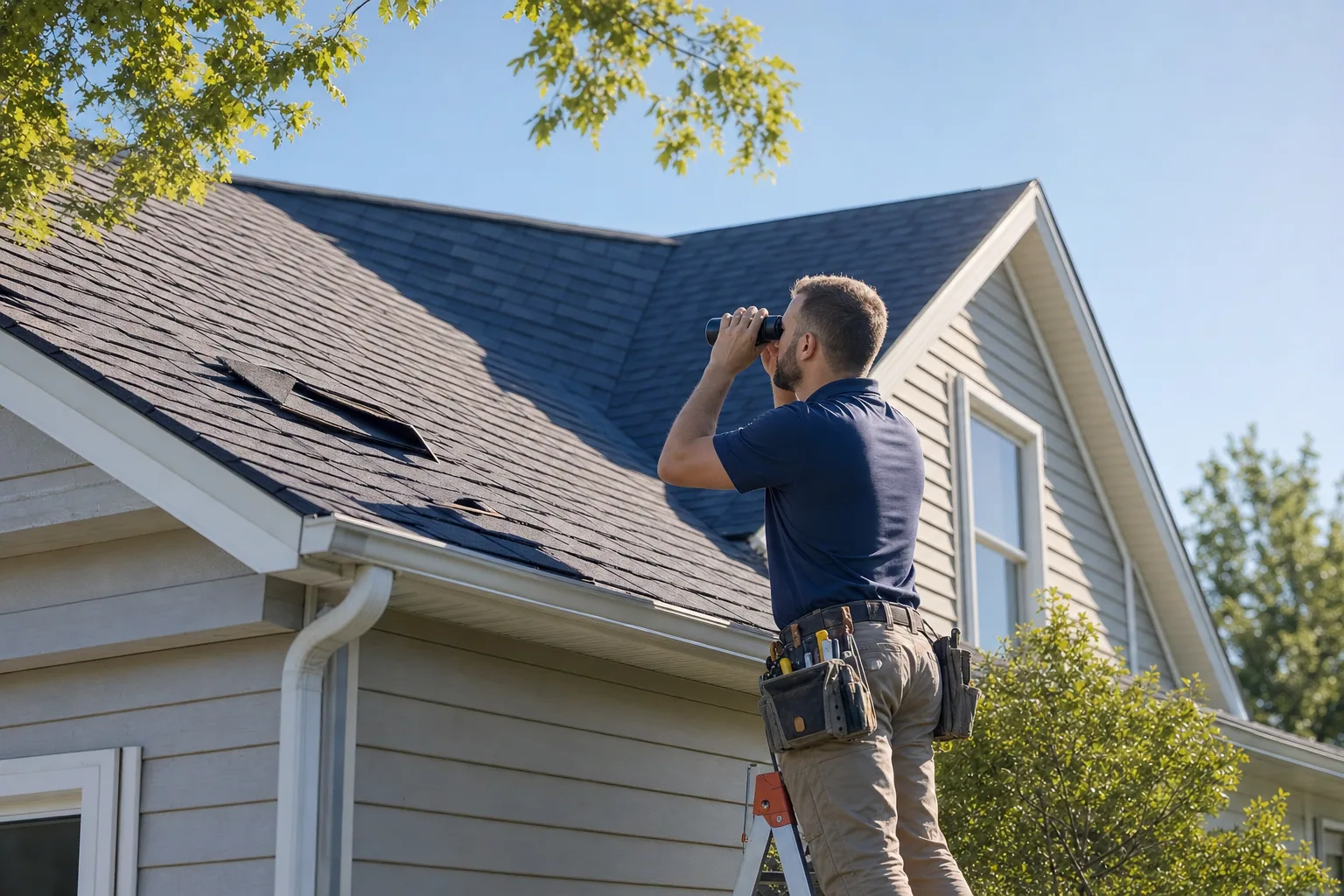
Removing moss from your roof involves climbing, balancing, and working at heights. One slip can mean a serious injury. Professionals have the right equipment, know how to avoid damaging your shingles, and can spot other roof issues while they're up there. If your roof already has moss, there's a good chance there's also moisture trapped in the underlying structure. A roofer can assess whether your shingles are damaged and if water is getting underneath.
At Trifecta Roofing and Restoration, every job starts with a free inspection. We'll look at the moss, check the health of your shingles, and recommend only the work your roof actually needs. Sometimes a cleaning is enough. Sometimes it's a sign of a bigger issue like poor ventilation or a leak.
Preventing Moss from Coming Back
Removal is just the first step. To keep moss from returning, you need to reduce the conditions that help it grow.
- Trim tree branches that shade your roof. More sunlight means faster drying and less moss.
- Keep gutters and downspouts clear so water flows off the roof and doesn't pool.
- Ensure your attic ventilation is working properly. Poor ventilation traps moisture, which feeds moss and can lead to other damage.
- Consider Class 4 impact-resistant shingles if you're planning a replacement. They're more durable and some resist algae and moss better than standard shingles.
- Install zinc or copper strips at the roof ridge. They're a long-term, passive way to slow regrowth.
When to Replace Instead of Clean
If your roof is already showing signs of wear beyond moss, cleaning might not be enough. Look for:
- Missing or curling shingles
- Bare spots where granules have worn away
- Leaks in your attic or water stains on ceilings
- Shingles that are brittle or cracked
If moss is the only problem and your shingles are still in good shape, removal and prevention will extend your roof's life. But if your roof is older or damaged, moss might be a sign that replacement is coming soon anyway.
Get Your Roof Assessed
If you're not sure whether your roof needs cleaning, repair, or replacement, a free inspection is the best first step. We'll take photos, point out what we find, and give you a fair, written price for only the work your roof actually needs. No high-pressure sales. No gimmicks. If moss removal is the answer, we'll tell you. If something else is going on, we'll explain it plainly.
Know the True State of Your Roof, Before the Next Big Storm
Most roofing issues go unnoticed until water starts dripping through the ceiling. Our multi-point roof inspection gives you an honest, detailed look at your roof's current health.
Moss on your roof shingles doesn't mean your roof is doomed. It's a common problem in Tulsa, and it's preventable. Clean off what's there, take steps to slow its return, and keep an eye on your roof. Call us at (918) 471-2777 to schedule a free inspection and find out exactly what your roof needs.