Chimney Flashing Repair: Stop Leaks at the Source
Your chimney is one of the most vulnerable spots on your roof. Water doesn't leak through the peak or the middle of your roof shingles very often, but it finds every weak point around your chimney. That's because chimney flashing is where your roof meets a vertical structure, and that joint is always under stress. When flashing fails, water runs down into your home and causes damage you won't see until it's serious.
At Trifecta Roofing and Restoration, we work on dozens of chimneys every year across Tulsa and Northeast Oklahoma. We see the same problems again and again. Most of them are preventable with good maintenance, and all of them are fixable if you catch them early. Here's what you need to know about chimney flashing and how to protect your home.
What Chimney Flashing Does
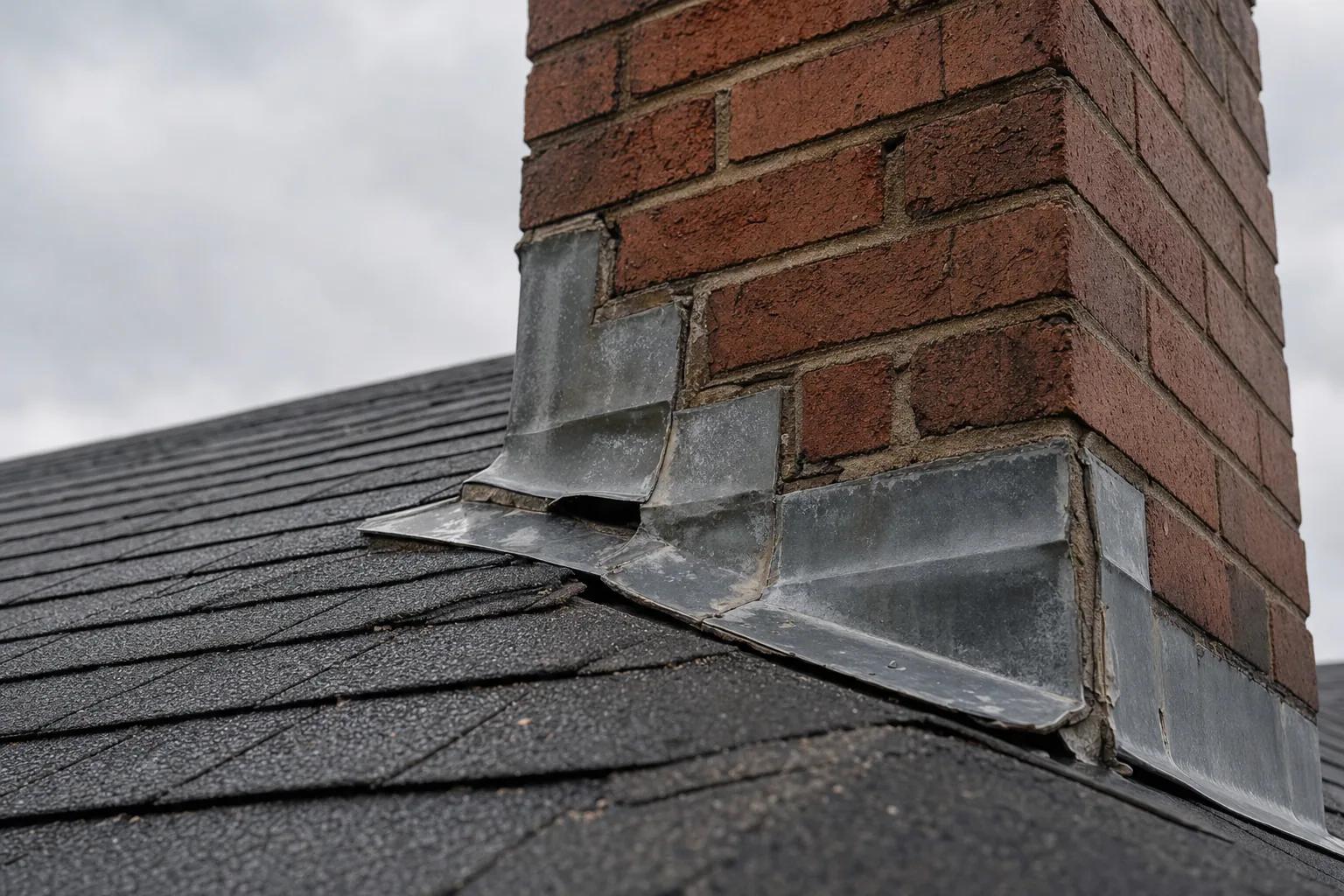
Flashing is a thin metal barrier, usually aluminum or galvanized steel, that sits where your chimney meets the roof. It's designed to direct water away from that seam so it runs down the roof instead of into your home. Without flashing, water would pour straight down into the gap between the chimney and the roof shingles.
The flashing sits in layers. The upper flashing goes under the shingles above the chimney. The lower flashing goes over the shingles below the chimney. The sides get flashing too. All of these pieces overlap and seal together to create a watertight joint.
When flashing is new and properly installed, it works well. But over time, exposure to Oklahoma weather takes a toll. Wind, hail, temperature swings, and standing water all stress the flashing and the seals around it.
Why Chimney Flashing Fails
Flashing doesn't last forever. Here are the most common reasons we see flashing fail in the Tulsa area:
- Rust and corrosion: Even galvanized metal corrodes over time, especially in areas where standing water collects around the flashing base.
- Broken seals: Caulk and sealant dry out and crack after a few years. Oklahoma's temperature swings make this worse.
- Bent or separated flashing: Wind, storms, and foot traffic can bend flashing or separate it from the roof.
- Improper installation: If flashing wasn't sealed well when the roof was built or last repaired, leaks start early.
- Hail damage: Northeast Oklahoma sees hail during spring and early summer, usually March through June. Hail can dent or puncture flashing.
- Shingle movement: As shingles age and contract, they can pull away from the flashing or let water get underneath it.
Straight-line winds also break the seal that holds flashing tight to shingles, creating a gap where water can slip through.
Signs Your Chimney Flashing Is Failing
Catch flashing problems early, and the repair is simple. Wait too long, and water damage spreads inside your home. Watch for these signs:
- Water stains on the ceiling or walls near the chimney, inside or in the attic
- Rust or green corrosion visible on the flashing
- Caulk that's cracked, missing, or peeling away
- Visible gaps between the flashing and the chimney or roof
- A musty smell in the attic or near the chimney
- Peeling paint or discoloration on walls near the chimney inside your home
If you see any of these, don't wait. Water damage gets worse, and mold can start growing. The longer you wait, the more expensive the repair becomes.
Don't Let a Small Leak Turn Into a Total Roof Replacement
High winds and hail can leave hidden vulnerabilities in your roof that lead to costly interior water damage. Protect your home and your investment. Contact us today!
Chimney Flashing Repair vs. Replacement
Sometimes flashing can be repaired. Sometimes it needs to be replaced. Here's how we think about it.
Repair is an option when: The flashing is structurally sound but the seal is broken. If the metal isn't rusted, bent, or punctured, we can re-caulk the seams and reseal the flashing. This is cheaper and faster. The flashing stays in place, and we create a new watertight seal. A repair will hold for several years if it's done well.
Replacement is necessary when: The flashing itself is damaged, corroded, or bent too far to seal properly. If the metal is rusted through, has holes, or is bent at an angle that won't shed water, patching won't work. We remove the old flashing, lift or slide the shingles, install new flashing, and reseal everything. This is the permanent fix.
We recommend what your chimney actually needs. If a repair will solve the problem, we say so. If the flashing is failing and needs replacement, we're clear about that too. Every job starts with a free inspection, photos, and a written price so you know exactly what we're doing and why.
How to Maintain Your Chimney Flashing
Regular maintenance keeps flashing in good shape and catches problems before they become expensive:
- Inspect the flashing yearly, especially after storms. Look for gaps, cracks, rust, or missing caulk.
- Clear debris from around the chimney base. Leaves and dirt hold moisture and speed up corrosion.
- Check caulk once a year. If it's cracked or peeling, it needs to be replaced.
- Have your roof inspected after major storms. Hail and wind can damage flashing before you see a leak inside.
- Keep gutters clean. If gutters overflow, water backs up around the chimney and damages flashing.
These simple steps add years to the life of your flashing and keep water out of your home.
Flashing Repair Cost
Flashing repair is one of the most affordable roof repairs you can do. A re-caulk and reseal usually costs less than other repairs because no shingles have to come up and no new material is needed. Replacement costs more because we remove the old flashing, install new metal, and reseal the seams, but it's still far cheaper than fixing water damage inside your home.
Price depends on the size of the chimney, how much flashing is damaged, and whether repair or replacement makes sense. We never know the cost until we see the job. That's why every inspection includes a free look at your flashing and a written price before any work starts. No surprises, no hidden costs.
When to Call for Help
If you see water stains near your chimney, rust on the flashing, or gaps where the flashing meets the roof, call us for a free inspection. We'll take photos, explain what we see, and give you a written price for whatever work is needed.
Don't wait for the next big rain to find out if your flashing is failing. Water damage spreads fast and costs far more to fix than flashing repair or replacement. A small problem caught early stays a small problem.
We serve Tulsa, Broken Arrow, Owasso, Claremore, Collinsville, Sand Springs, Jenks, Sapulpa, and Bartlesville. Call us at (918) 471-2777 to schedule your free inspection today.