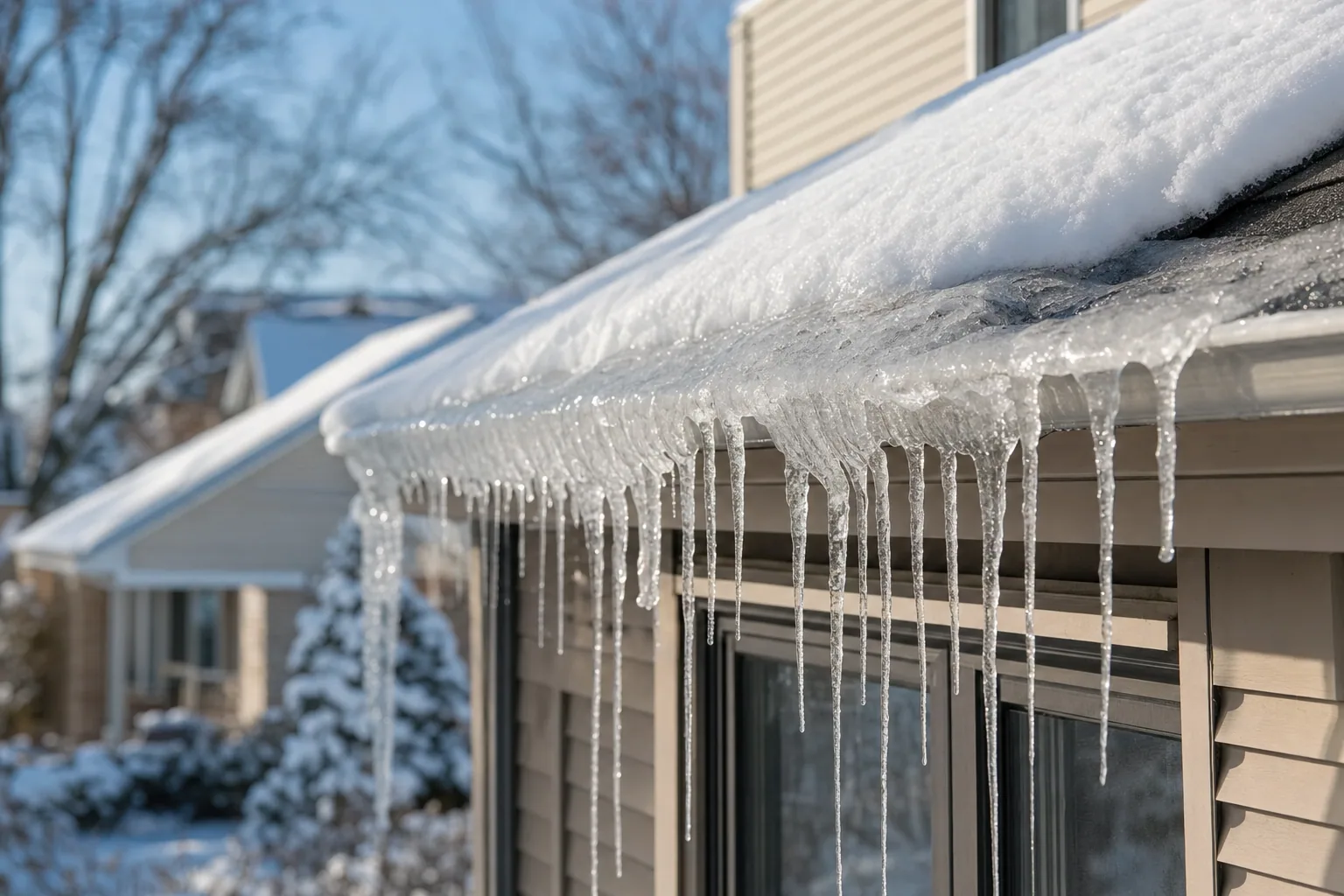
Winter in Tulsa brings its share of challenges for homeowners, and ice dams are one of the most common culprits behind costly roof leaks and water damage. If you've noticed icicles hanging from your gutters or water seeping into your attic, an ice dam may be the root cause. Understanding what causes ice dams and how to prevent them can save you thousands in repairs.
What Is an Ice Dam?
An ice dam is a ridge of ice that forms along the edge of your roof, typically at the gutter line. It develops when snow melts on the upper part of your roof, the water runs down toward the colder eaves, and then refreezes. Over time, successive freeze-thaw cycles build up more ice until a dam forms that blocks water from draining properly.
The danger isn't just the ice itself. When an ice dam prevents meltwater from flowing off your roof, water can back up under your shingles and into your attic and walls. This trapped water is what causes the real damage: rotted framing, compromised insulation, mold growth, and interior water stains. That's why understanding ice dam prevention is so critical before winter weather strikes.
How Ice Dams Form
Ice dams typically develop due to a combination of roof design, insulation, ventilation, and weather conditions. Here are the main culprits:
- Poor attic ventilation: If warm air from your living space leaks into the attic, it warms the roof deck unevenly. Snow on warmer sections melts while snow on colder eaves stays frozen, creating the conditions for ice dam formation.
- Inadequate insulation: Insufficient attic insulation allows heat to escape through the roof, warming it from below and causing snow to melt prematurely.
- Blocked gutters: Leaves, debris, and standing water in gutters prevent meltwater from flowing away, allowing it to refreeze at the edge.
- Roof pitch and design: Certain roof shapes, valleys, and complex designs trap snow and slow drainage.
- Weather patterns: Repeated freeze-thaw cycles, especially when daytime temperatures rise above freezing and nights drop below 32 degrees Fahrenheit, create ideal conditions for ice dam growth.
If your home has poor attic ventilation or weak insulation, you're at higher risk. Proper attic ventilation and moisture control are foundational to preventing ice dams year-round.
How to Remove Ice Dams Safely
Once an ice dam has formed, removing it safely is essential to stop water intrusion. Here are the most effective methods:
Calcium Chloride or Ice Melt
Spread calcium chloride or roof ice melt along the ice dam. It works by lowering the freezing point of ice, creating channels for water to drain. Never use rock salt, which can damage shingles and harm vegetation.
Steaming or Hot Water
Professional contractors sometimes use steam or hot water to cut channels through the ice. This requires proper equipment and expertise to avoid damaging the roof.
Removing Snow
Clearning excess snow from your roof before it melts can prevent ice dams from forming in the first place. Use a roof rake from the ground to pull snow off safely.
Hiring a Professional
For stubborn or large ice dams, hiring a licensed roofer is the safest approach. Attempting to chip or hammer ice dams yourself risks injury and roof damage.
Ice Dam Prevention Cost
The cost to prevent ice dams is far less than the cost of repairs after water damage occurs. Here's what you might invest:
- Attic insulation upgrade: $1,500 to $3,000 for average homes
- Roof ventilation improvements: $500 to $2,000
- Ice shield underlayment: $100 to $300 during roof replacement or repair
- Gutter cleaning and maintenance: $150 to $300 annually
These prevention investments pale in comparison to the ice dam removal cost or the expense of fixing interior water damage, mold, and structural decay. Homeowners often spend $5,000 to $10,000 or more repairing water damage that could have been prevented with proper maintenance and upgrades.
Long-Term Prevention Strategies
The best approach to ice dams is prevention before they ever form:
- Improve attic ventilation: Ensure soffit and ridge vents are clear and functioning. Proper airflow keeps the roof deck cold, preventing uneven melting.
- Add insulation: Upgrade attic insulation to current building codes. This reduces heat loss through the roof and maintains consistent roof temperatures.
- Seal air leaks: Seal gaps, cracks, and penetrations in your attic to prevent warm interior air from rising into the space.
- Install ice shield: If you're replacing your roof, have ice shield underlayment installed in vulnerable areas, particularly along the eaves and valleys.
- Keep gutters clean: Remove leaves and debris from gutters and downspouts so water flows freely. Standing water in gutters accelerates ice dam formation.
- Trim tree branches: Overhanging branches drop leaves into gutters and shade the roof, keeping snow from melting evenly.
When to Call a Professional
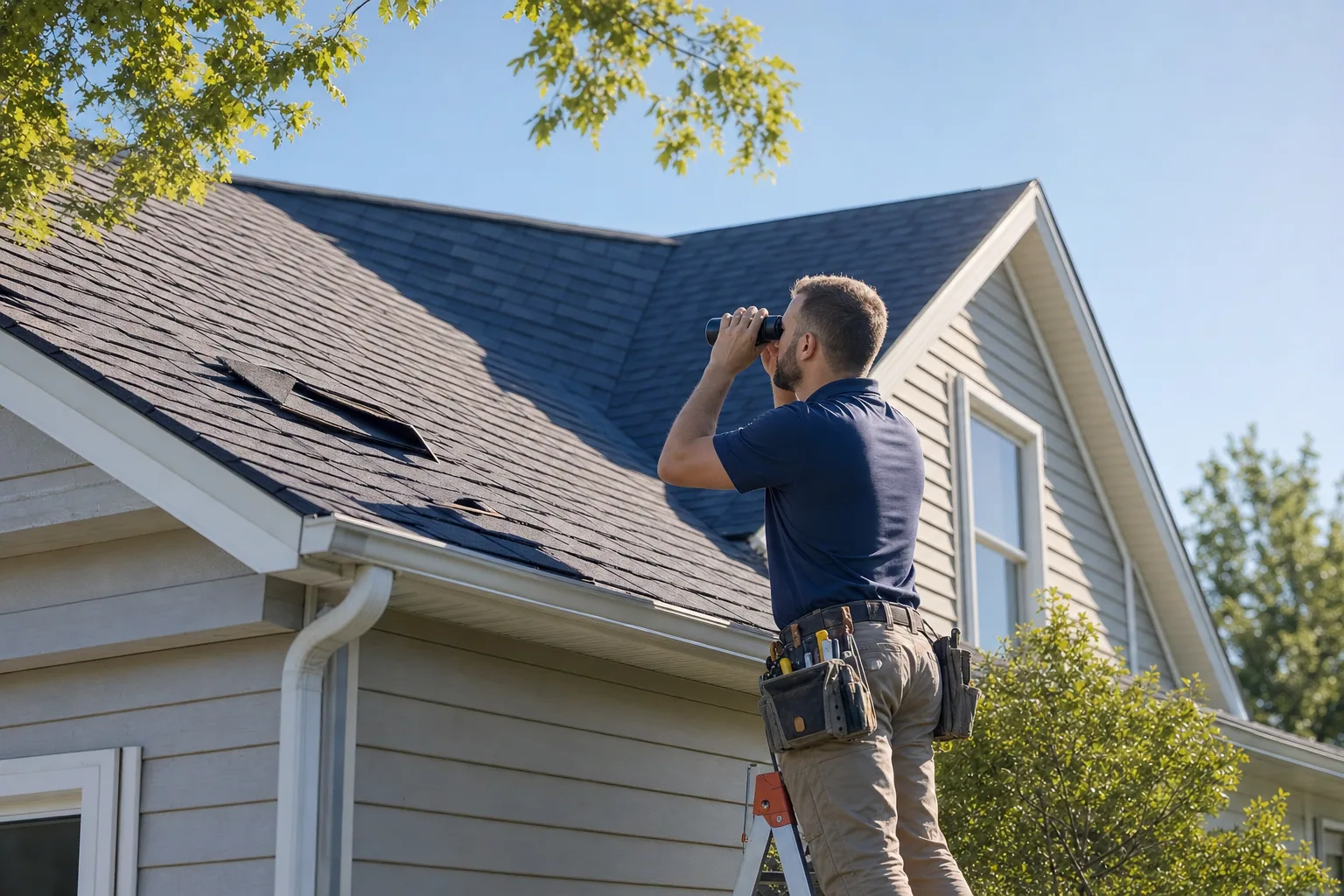
If you notice water stains on your ceilings, dampness in your attic, or visible ice dams forming repeatedly, it's time to call a professional roofer. Trifecta Roofing and Restoration specializes in identifying and fixing the root causes of water intrusion and ice dam damage. Our team can perform a thorough inspection to detect roof leaks before they turn into costly interior damage.
Know the True State of Your Roof, Before the Next Big Storm
Most roofing issues go unnoticed until water starts dripping through the ceiling. Our multi-point roof inspection gives you an honest, detailed look at your roof's current health.
Water damage from ice dams can compromise your roof structure, destroy insulation, and create conditions for mold growth. The longer you wait to address the underlying causes, the more expensive repairs become. With Tulsa's winter weather patterns, proactive prevention and early detection are your best defenses against ice dam damage.
Trifecta Roofing and Restoration works directly with homeowners to stop water damage before it spreads. We use top-grade materials and proven techniques to deliver results that stand the test of time. Whether you need attic ventilation improvements, new insulation, or professional ice dam removal, our experienced team is here to help. Contact us today for a free inspection and let's protect your home from winter weather.