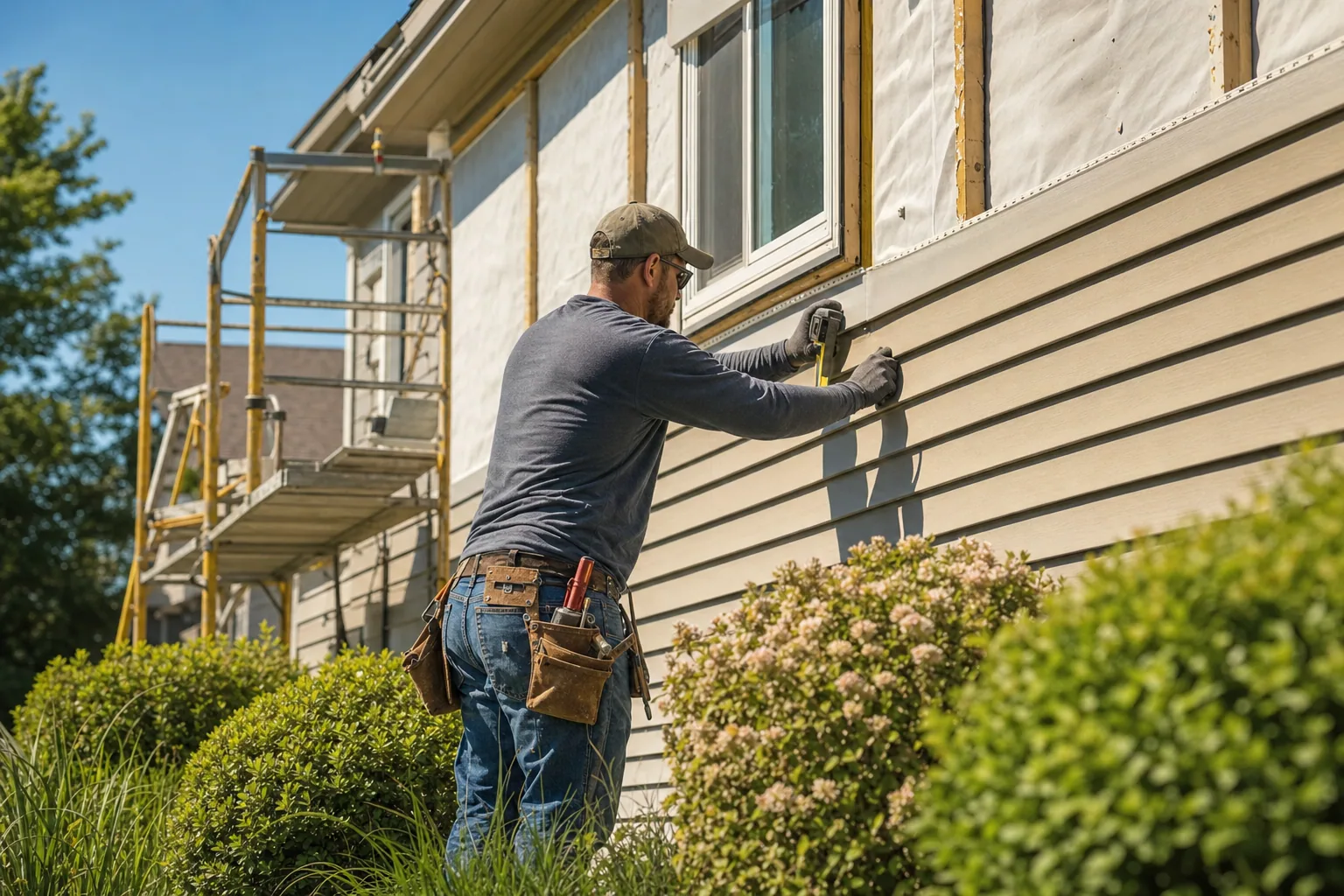
Vinyl siding installation is one of the most practical ways to protect your home's exterior while boosting curb appeal and energy efficiency. Whether you're replacing worn material or upgrading to a fresh look, understanding the installation process helps you know what to expect and why professional work matters.
What Vinyl Siding Does for Your Home
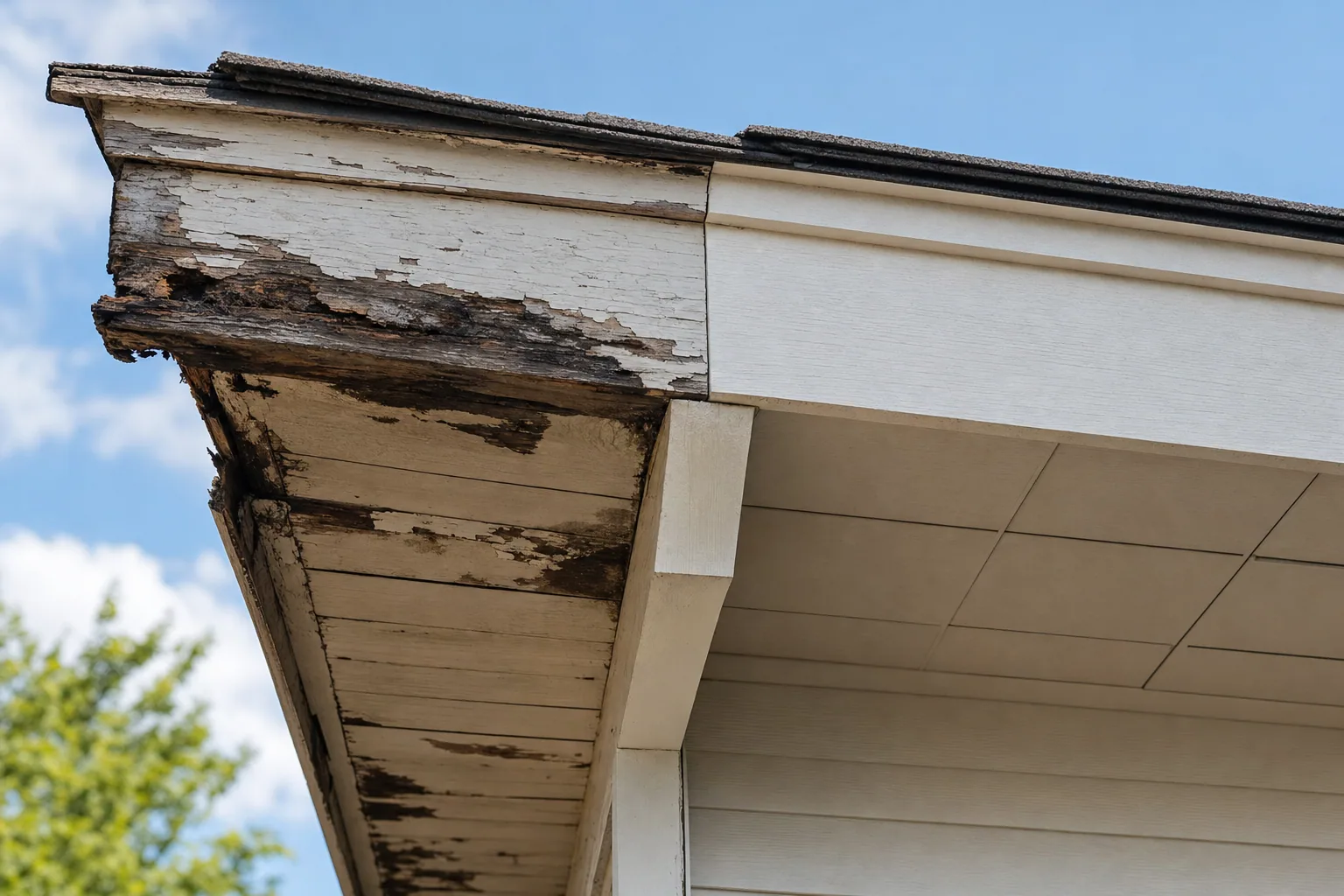
Vinyl siding serves as your home's first line of defense against the elements. Unlike wood or older metal options, quality vinyl halts structural decay, improves energy efficiency, and prevents pest infestations. When installed properly, it keeps moisture from seeping into your walls where it causes costly rot and mold. Many Tulsa homeowners also choose vinyl for its low maintenance requirements and long lifespan, especially after experiencing hail or wind damage that can compromise older siding materials.
Trifecta Roofing and Restoration specializes in vinyl, steel, aluminum, and wood siding options. We understand that every home has unique needs, so we help you select and install the right material for your climate and lifestyle.
The Vinyl Siding Installation Process
Professional vinyl siding installation follows a structured sequence to ensure durability and proper weather protection.
Inspection and Preparation
Before any new siding goes up, the existing exterior must be examined. Contractors check for rot, damage, or areas that need repair. The old siding is then carefully removed, and the underlying structure is inspected. If there's hidden damage, it must be addressed now before the new material covers it. This step is critical: rushing past inspection often leads to problems later.
Once the wall is bare, crews install a moisture barrier if one doesn't exist. This protects against water intrusion and improves energy performance.
Measuring and Planning
Accurate measurements ensure panels fit correctly with minimal waste. Installers account for windows, doors, corners, and trim. They plan the layout so seams fall in natural places and the visual pattern looks balanced. This planning step separates quality work from rushed jobs.
Installing Starter Strips and Corners
The starter strip runs horizontally along the foundation and anchors the first row of panels. Corner posts are installed vertically at each outside corner. These components must be level and plumb because everything else hangs from them. If the starter strip is crooked, every panel above it will follow.
Installing Panels
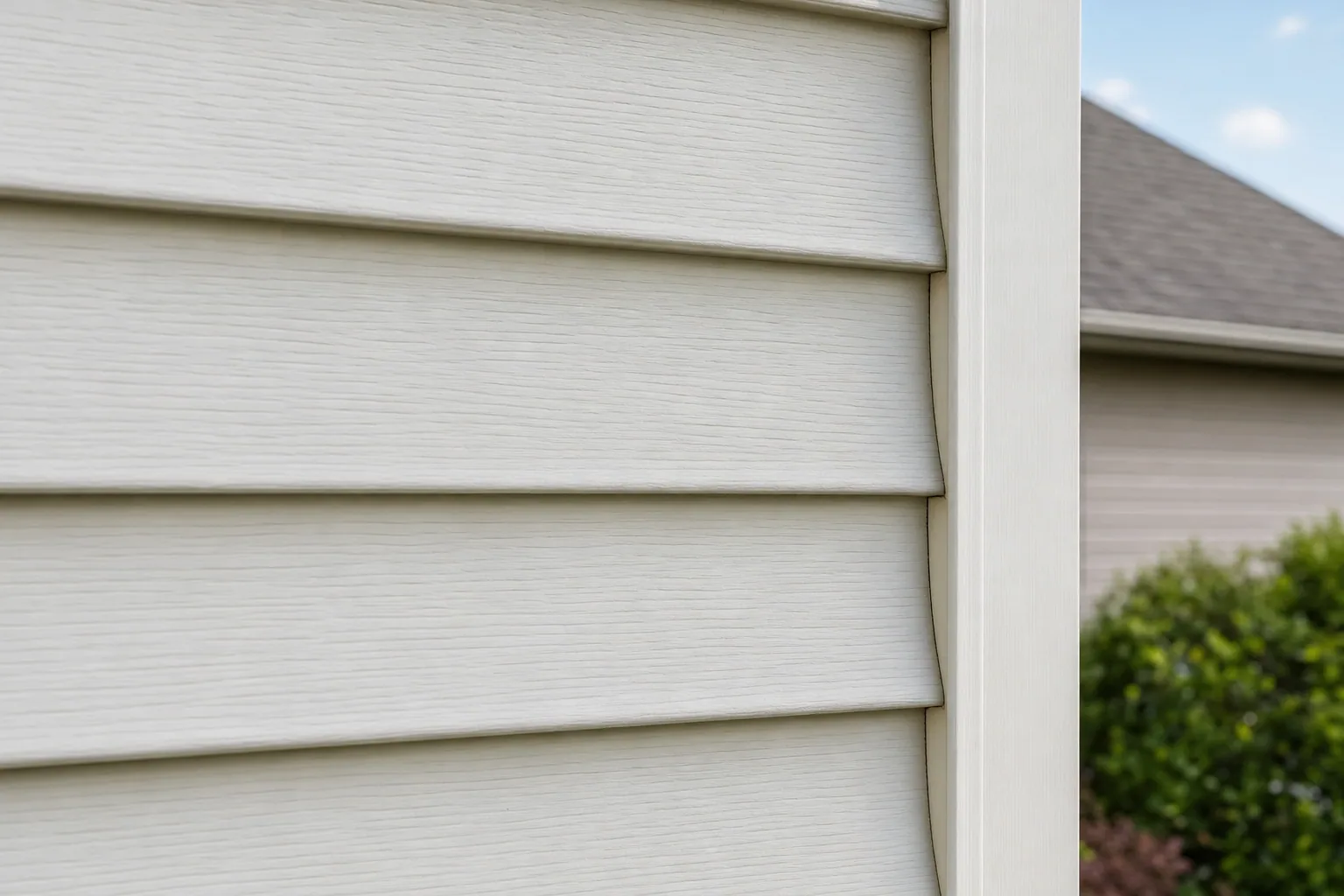
Vinyl panels interlock and slide into one another. Each panel is secured with nails placed through slots in the upper flange. Installers leave a small gap between panels at joints to allow for expansion and contraction caused by temperature changes. Panels are inserted into the starter strip and fastened working upward row by row.
Key points during this phase:
- Panels must be level and straight
- Fasteners should have slight clearance and not be driven tight (allowing movement)
- Joints should be staggered for strength
- Around windows and doors, flashing prevents water from entering
Finishing the Top and Trim
At the roofline, the final panel is covered with trim cap. Corners, window frames, door frames, and any transitions to other materials receive specialized trim pieces. These all must be sealed to prevent water entry. Quality trim work is what separates professional installations from amateur attempts.
Vinyl Siding Installation Cost
Cost varies based on several factors: home size, material quality, existing damage, regional labor rates, and site accessibility. A small ranch home costs less than a two-story colonial. Premium vinyl with enhanced durability costs more than basic options. Additional structural repairs or complex rooflines increase labor.
Rough estimates range widely, but homeowners should budget for material plus labor. Getting multiple quotes helps you understand fair pricing in your area. Many contractors offer estimates free and can break down costs line by line.
When evaluating vinyl siding installation cost, remember that quality work lasts 20 to 40 years depending on the product. Cheaper installations might fail sooner, requiring costly repairs. Working with experienced professionals who stand behind their work protects your investment.
DIY Vinyl Siding vs. Professional Installation
Some homeowners tackle DIY vinyl siding projects. While it's theoretically possible, several challenges make professional installation preferable:
- Tool requirements: You need a level, measuring tape, nail gun, scaffolding, and safety equipment
- Time commitment: A full home can take weeks for one person
- Precision demands: Even small misalignments compound across entire walls
- Safety risks: Working at height without proper equipment is dangerous
- Warranty concerns: Most manufacturers only warranty installations done by licensed contractors
A single error, such as panels installed too tightly, causes them to buckle when temperatures change. Water that seeps behind improperly installed siding leads to hidden rot that costs far more to fix later.
Cracked or Warped Siding? Don't Wait for Water Damage.
Siding does more than look good, it keeps moisture from rotting your home's structural framing. If your siding is cracked, loose, or showing signs of storm damage; call now!
Request a Free Siding Inspection
(918) 471-2777
When to Call a Professional
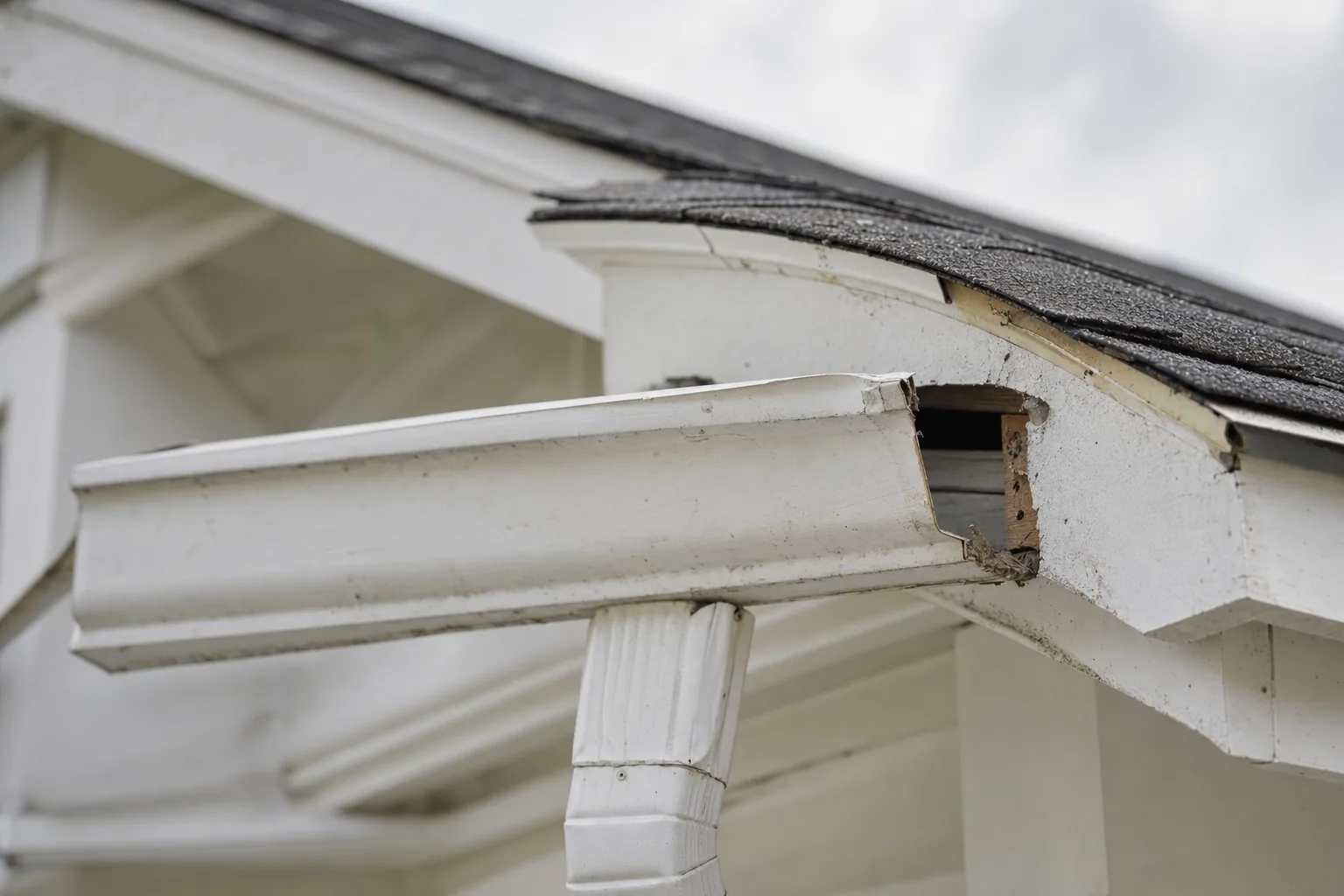
Vinyl siding replacement becomes necessary after storm damage, when siding shows visible cracks or warping, if energy bills are climbing, or when existing material is simply outdated. A professional inspection reveals issues you might miss.
Trifecta Roofing and Restoration works directly with insurance companies on storm damage claims. After hail, wind, or severe weather strikes, your siding may sustain damage that isn't immediately obvious. Our team manages the entire claim process, making restoration easier and more affordable. In many cases, homeowners see coverage that's higher than their initial insurance estimate suggested.
Beyond storm recovery, upgrading siding boosts your home's energy efficiency. Modern vinyl with proper insulation reduces how hard your HVAC system works, lowering utility costs month after month. That improvement adds up quickly over the lifespan of the material.
The Importance of Quality Materials and Craftsmanship
Not all vinyl siding is created equal. Top-grade materials resist fading better, resist impact damage, and maintain flexibility in extreme temperatures. Thicker gauges last longer than thin options. Proper installation techniques, combined with quality materials, ensure your exterior stands up to Oklahoma's weather: intense sun, hail, high winds, and temperature swings.
When selecting a contractor for vinyl siding installation, look for experience, proper licensing, references, and warranties. Trifecta's 4.9-star rating across 150-plus reviews reflects our commitment to craftsmanship and customer communication. We use top-grade materials and proven techniques to deliver results that stand the test of time.
Next Steps
Vinyl siding installation is a significant exterior upgrade that protects your home, improves energy efficiency, and transforms its appearance. Whether you're dealing with storm damage, aging siding, or a desire to improve your home's curb appeal, professional installation ensures the job is done right.
Ready to learn more about your siding options? Contact Trifecta Roofing and Restoration for a free inspection and estimate. Call us at (918) 471-2777 or request an estimate online. We'll listen to your needs, provide honest guidance, and get your project started with trusted local expertise.