When severe weather rolls through Tulsa, your roof takes the brunt of it. Wind, hail, and heavy rain can leave damage that isn't always obvious from ground level. Learning how to spot roof damage from storm is essential because small problems can quickly turn into major leaks and structural issues if left unaddressed.
The challenge is that many homeowners don't realize their roof has been damaged until water starts appearing inside the home. By then, the problem has already progressed beyond the roof itself. At Trifecta Roofing and Restoration, we help Tulsa homeowners identify storm damage early so repairs can happen before interior damage occurs.
Visible Shingle Damage
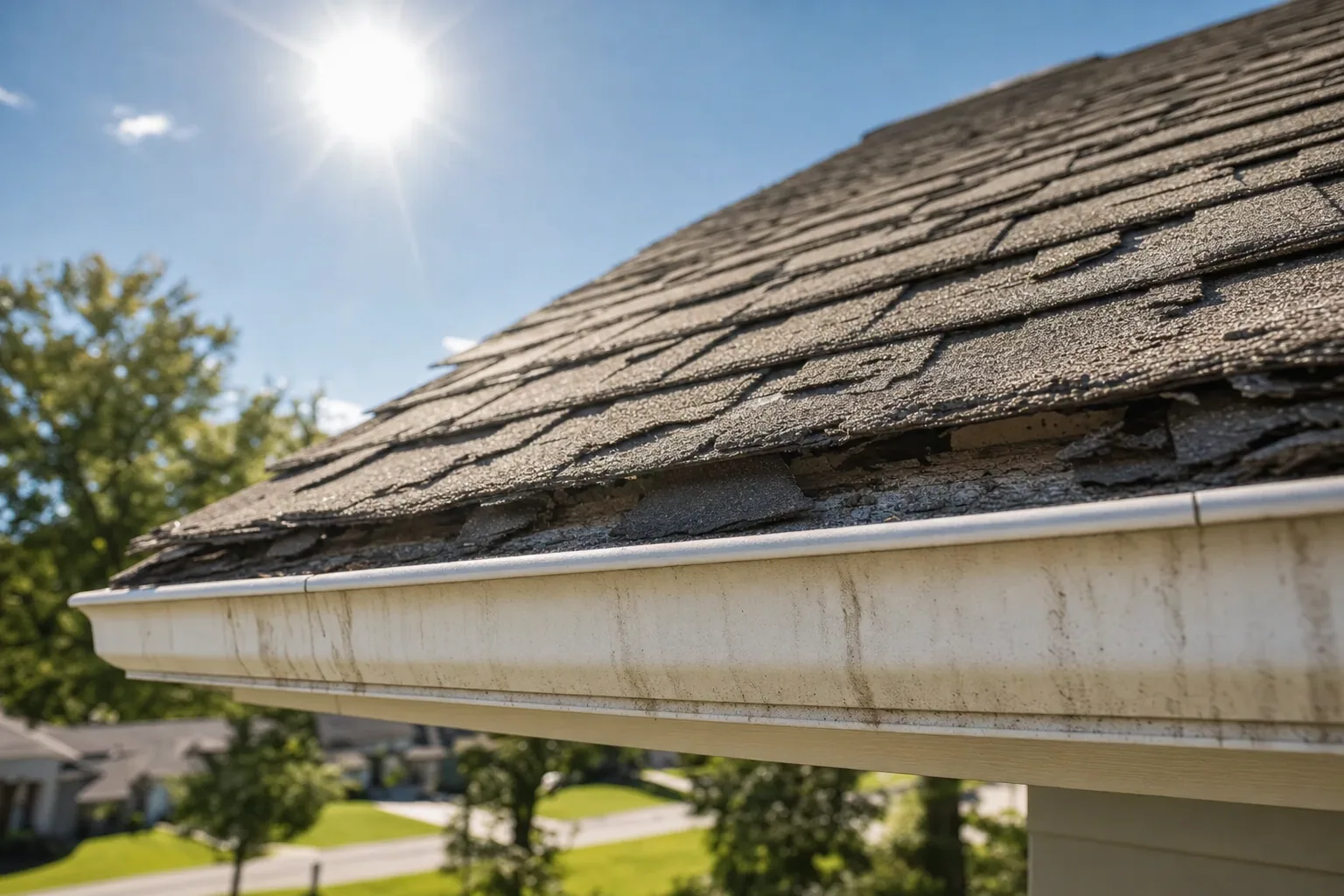
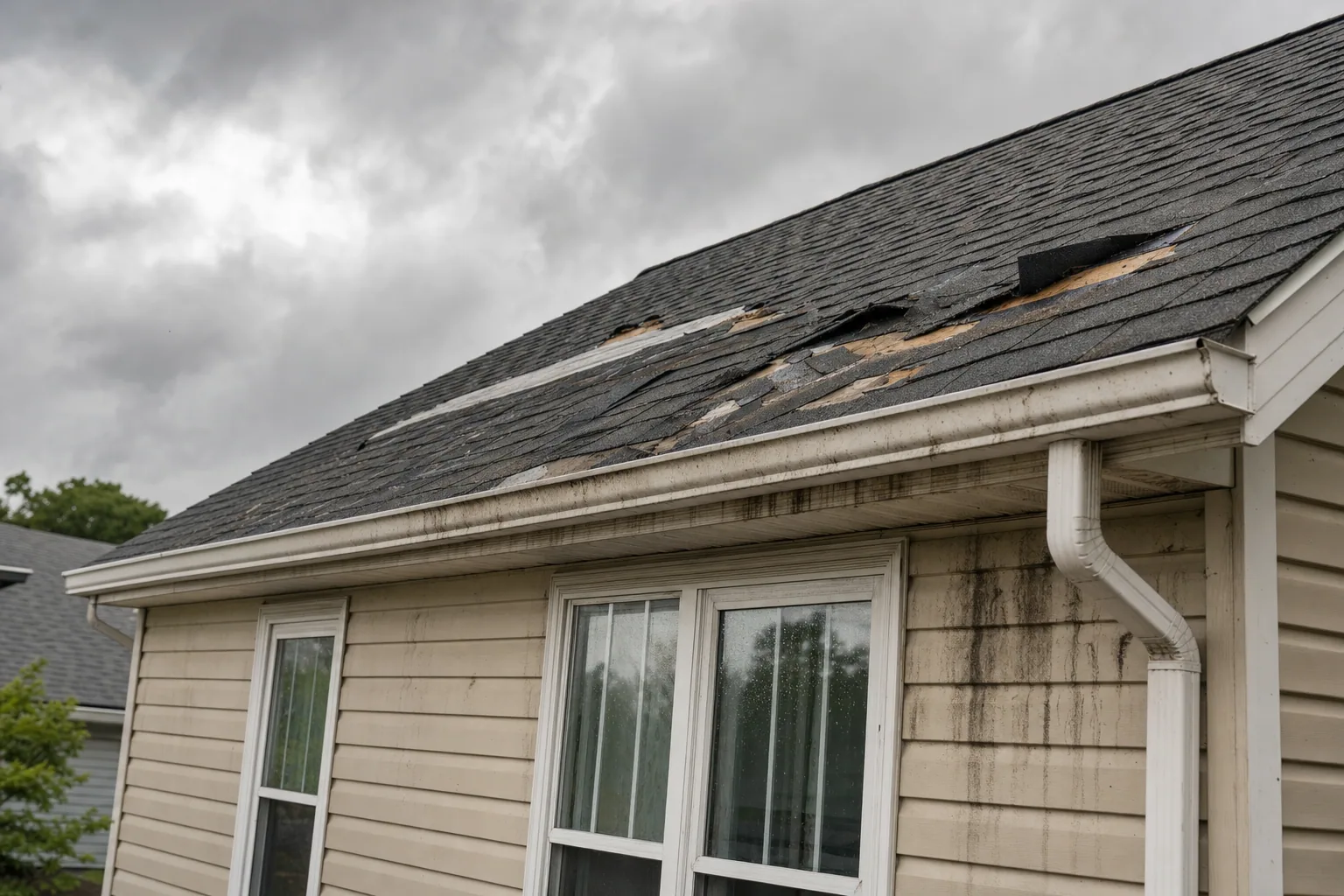
Missing, curled, or cracked shingles are among the most obvious roof damage signs. After a hailstorm or high winds, walk around your property and look up at the roof line. Pay special attention to areas that face the direction the storm came from.
Hail typically creates divots or dents in shingles, while wind tends to lift or tear them. If you notice shingles that are:
- Completely missing from the roof
- Curled or buckling at the edges
- Cracked or split down the middle
- Discolored or showing exposed wood
These are clear indicators that storm damage has compromised your roof's ability to shed water. Even a single damaged shingle can allow water to seep underneath, where it travels along the roof decking and eventually finds its way into your attic or living spaces.
Damaged or Clogged Gutters
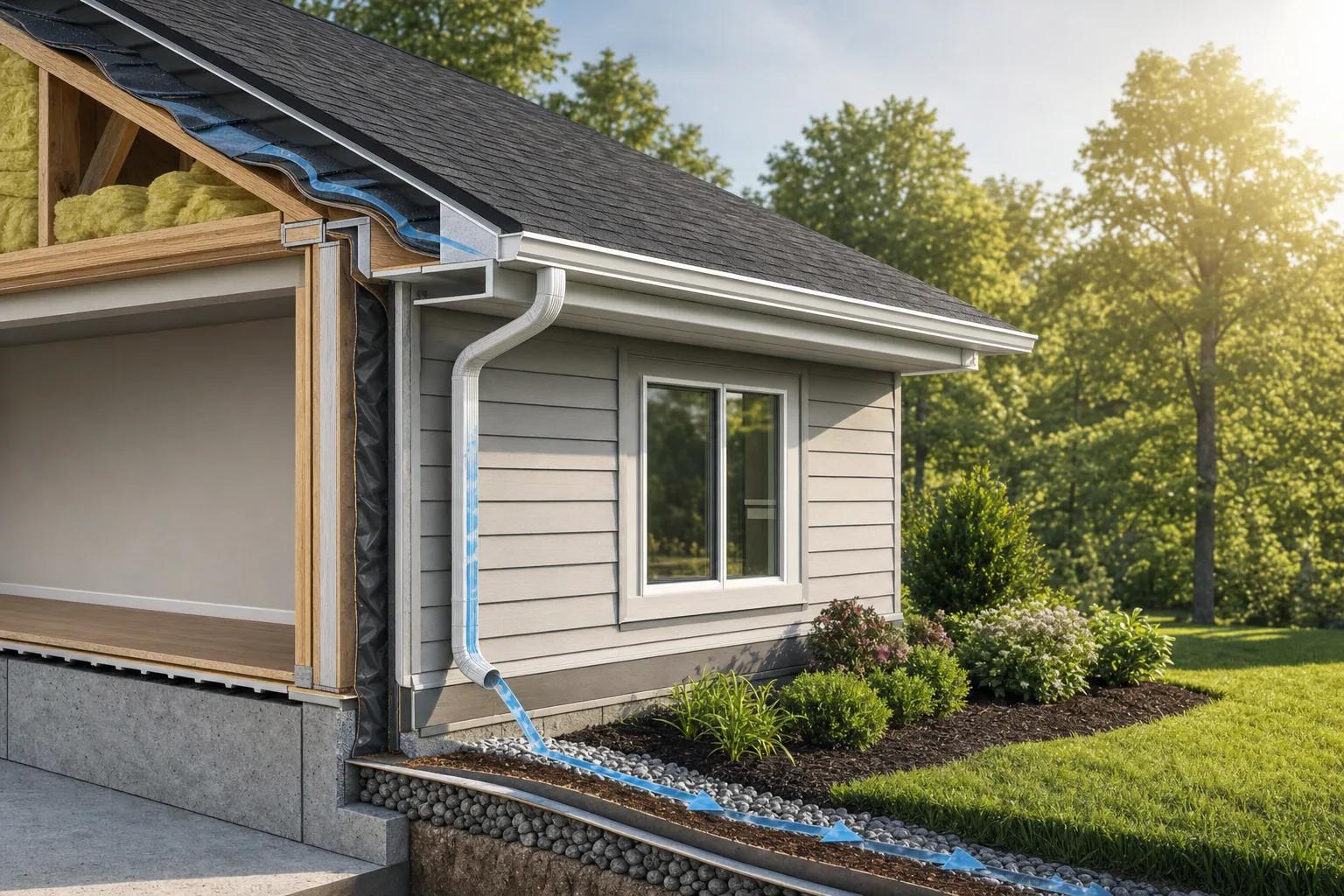
Your gutters and downspouts are the first line of defense against water runoff. Storms can bend gutters, dent them, or knock them loose from the fascia. A gutter that hangs at an angle or has visible dents won't direct water away from your home as intended.
After a storm, check your gutters for:
- Dents, bends, or separation from the house
- Debris buildup, leaves, or small branches
- Water pooling in certain sections instead of flowing toward downspouts
- Gutters that have pulled away from the eave
Clogged or damaged gutters force water to back up and overflow, which can saturate your fascia board, soffit, and eventually the interior walls of your home. This is especially problematic during heavy rain. In Tulsa's climate, keeping gutters clear and functional is crucial to roof damage prevention.
Flashing and Sealing Issues
Flashing is the metal trim installed around chimneys, vents, and skylights where the roof meets vertical surfaces. Hail impact and wind can damage flashing seals, creating gaps where water can enter.
Look for:
- Visible gaps between flashing and the roof surface
- Separation of flashing from the chimney or vent
- Rust stains running down the roof or exterior walls
- Missing or deteriorated caulk around flashing edges
Flashing damage is particularly dangerous because water can travel behind the flashing directly into the attic insulation or wall cavities. This hidden moisture leads to mold growth and structural decay that may not be discovered until significant damage has occurred.
Water Stains and Interior Leaks
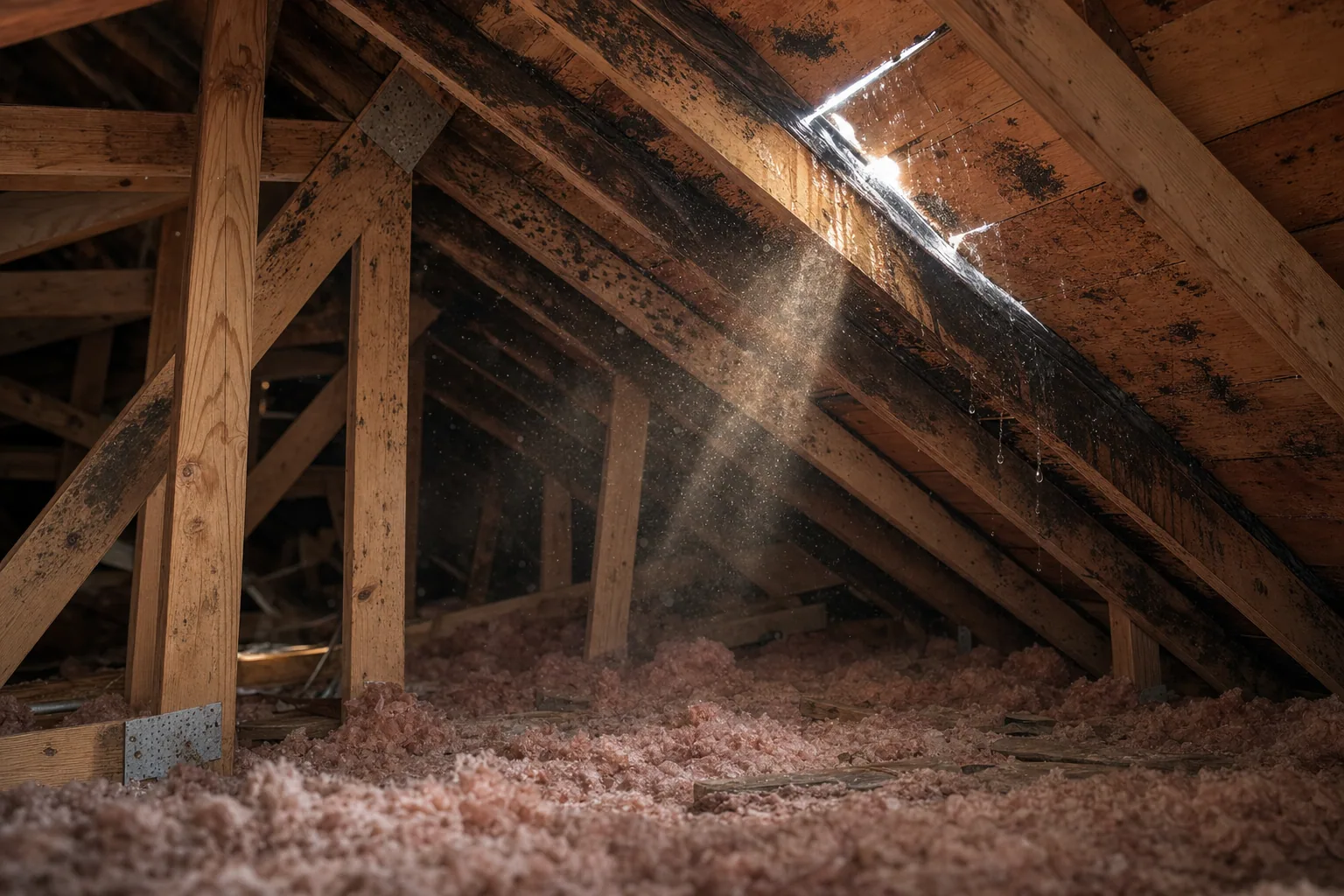
While exterior inspection is important, interior signs often appear first. If you notice water stains on your ceiling, walls, or attic decking after a storm, your roof has already failed to protect your home.
Check your attic for:
- Dark water stains on the underside of roof decking
- Dampness or moisture in insulation
- Mold or mildew growth
- Water dripping or pooling on attic floors
These interior clues tell you that roof damage from storm has progressed beyond the surface. What may have started as a small breach in shingles has allowed water to penetrate deep into your home's structure. This is why prompt inspection and repair matter so much. Trifecta Roofing and Restoration works with most insurance claims to make the repair process seamless and cost-effective after storm events.
Granule Loss in Gutters and Downspouts
Asphalt shingles are covered with granules that protect them from UV damage and shed water. When hail hits shingles, these granules can be knocked loose. After a storm, look inside your gutters and around downspout outlets for an unusual amount of dark granules.
Granule loss indicates:
- Hail or severe weather impact
- Shingles losing their protective coating
- Accelerated aging of the roof surface
- Reduced waterproofing capability
If you see a significant volume of granules, your shingles are likely damaged even if the damage isn't obvious from a distance. This type of wear shortens your roof's remaining lifespan and means water protection has been compromised.
What to Do After Spotting Damage
If you notice any of these roof damage signs after a storm, take photos and document the damage. File a claim with your insurance company as soon as possible. Many homeowners worry about the complexity of insurance claims, but Trifecta Roofing and Restoration specializes in helping Tulsa property owners navigate this process.
Our team will perform a thorough inspection, work directly with your insurance adjuster, and provide transparent communication throughout the entire repair. We use top-grade materials and proven techniques to ensure your roof is restored properly and your home is fully protected against future weather events.
The cost of prompt storm damage repairs is far less than the cost of water damage remediation, mold removal, or structural decay correction. When you spot roof damage early, you protect your home, maintain your insurance coverage, and preserve your property value.
If a recent storm has passed through your area and you're concerned about your roof, reach out to Trifecta Roofing and Restoration for a free inspection. Our local expertise and commitment to quality mean your home is in good hands.
Don't Let a Small Leak Turn Into a Total Roof Replacement
High winds and hail can leave hidden vulnerabilities in your roof that lead to costly interior water damage. Protect your home and your investment. Contact us today!